
When to See a Dentist About Wisdom Teeth
16 September 2026 | General Dentistry, Preventative Dentistry, Tooth Decay
If you have pain at the back of your mouth, swelling around the gums or difficulty opening your jaw, it may be time to book a wisdom dentist appointment. Wisdom teeth, also called third molars, do not always cause problems. But when they only partly come through, become trapped under the gum or are difficult to clean, a dental assessment can help identify the cause and whether monitoring or treatment may be appropriate.
Wisdom teeth usually appear in the late teenage years or early adulthood, although timing varies. Some people have enough space for them to come through normally. Others develop symptoms because the tooth is angled, blocked by another tooth or covered by gum tissue. A dentist cannot tell exactly what is happening from symptoms alone, which is why an examination and, in many cases, an X-ray are useful.
When a wisdom dentist appointment may be needed
A wisdom dentist appointment may be useful if you notice discomfort that keeps returning, even if it settles between episodes. Wisdom tooth problems often flare up, calm down, then return when food or bacteria becomes trapped under the gum flap around a partly erupted tooth.
Common reasons to arrange an assessment include:
- Pain or pressure at the back of the mouth
- Red, swollen or tender gum behind the last molar
- Bad taste, bad breath or pus around the gum
- Difficulty chewing on one side
- Jaw stiffness or trouble opening your mouth fully
- Swelling in the cheek or jaw
- A wisdom tooth that has only partly come through
- Food repeatedly getting caught behind the back teeth
- Decay or gum problems around the wisdom tooth or the tooth in front
These symptoms do not automatically mean the tooth needs to be removed. They do mean it is worth having the area checked, especially if symptoms are recurring or worsening.
Signs that may need prompt dental care
Some wisdom tooth symptoms are more concerning than others. If you have facial swelling, fever, spreading pain, difficulty swallowing or difficulty opening your mouth, you should seek prompt dental advice. These symptoms can sometimes be associated with infection, and infections around wisdom teeth can become more difficult to manage if left untreated.
If symptoms are severe or affecting your ability to eat, sleep or function, a same-day assessment may be appropriate. Integrated Dental Care has a helpful guide on when you may need a same-day dental appointment if you are unsure whether your concern should wait.
A wisdom dentist assessment can help determine whether symptoms are coming from a wisdom tooth, a gum infection, tooth decay, a cracked tooth or another dental concern. Toothache at the back of the mouth can be misleading, so it is usually better not to assume the cause.
Why wisdom teeth can cause problems
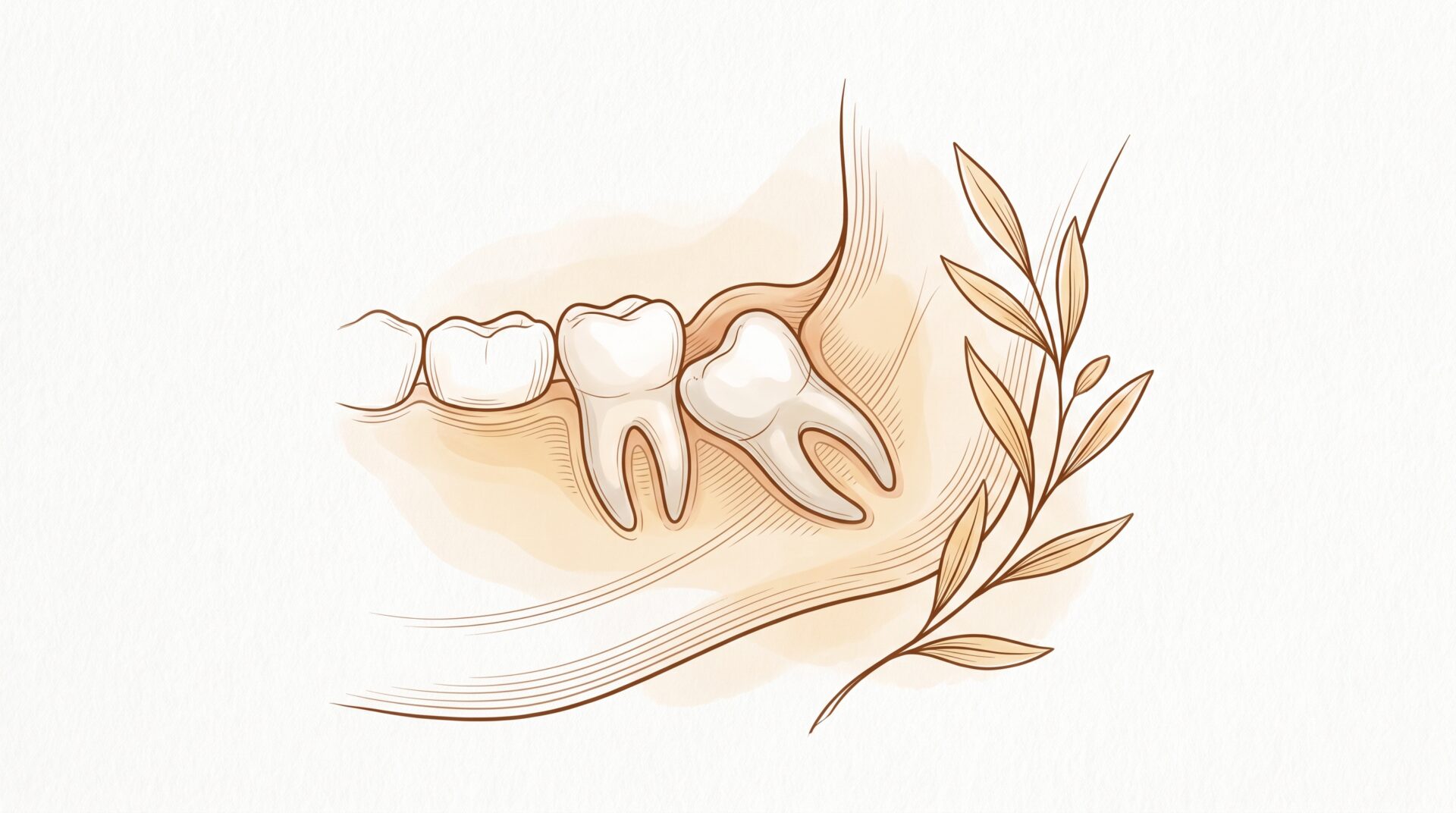
Wisdom teeth sit at the very back of the mouth, where space can be limited and cleaning is harder. If a wisdom tooth becomes impacted, it is unable to come through properly. It may be angled sideways, trapped under the gum or pushing against the tooth in front.
Partly erupted wisdom teeth can also create a small pocket under the gum. Bacteria and food debris can collect in this area, which may lead to inflammation or infection of the surrounding gum. This is sometimes called pericoronitis, meaning inflammation around the crown of a tooth.
Healthdirect Australia explains that wisdom teeth may cause problems such as pain, infection, tooth decay and gum disease in some people. The Australian Dental Association's Teeth.org.au resource also notes that wisdom teeth do not always need to be removed, but they should be assessed if they are causing problems or are at risk of doing so.
When monitoring may be enough
Not every wisdom tooth needs treatment. If a wisdom tooth has enough space, is healthy, is not affecting nearby teeth and can be cleaned properly, your dentist may recommend review rather than removal.
If a wisdom dentist recommends monitoring, that usually means the tooth will be checked at routine appointments and compared with X-rays if needed. This approach may be suitable when there are no symptoms, no signs of disease and no evidence that the tooth is damaging neighbouring teeth.
Monitoring is not the same as ignoring the tooth. It means making a considered decision based on your oral health, symptoms, X-ray findings and likelihood of future problems. If your situation changes, the recommendation may also change.
| Situation | What it may mean | Possible next step |
|---|---|---|
| Wisdom tooth is fully through and easy to clean | It may not need treatment | Routine monitoring |
| Tooth is partly through and gum is inflamed | Food and bacteria may be trapped | Cleaning advice, review or treatment discussion |
| Tooth is impacted against another tooth | It may increase the risk of decay or gum problems | X-ray assessment and discussion of options |
| Swelling, fever or difficulty opening the mouth | Infection may be present | Prompt dental assessment |
| No symptoms but uncertain position | Problems may not be obvious without imaging | Examination and X-ray if appropriate |
What happens at a wisdom tooth assessment?
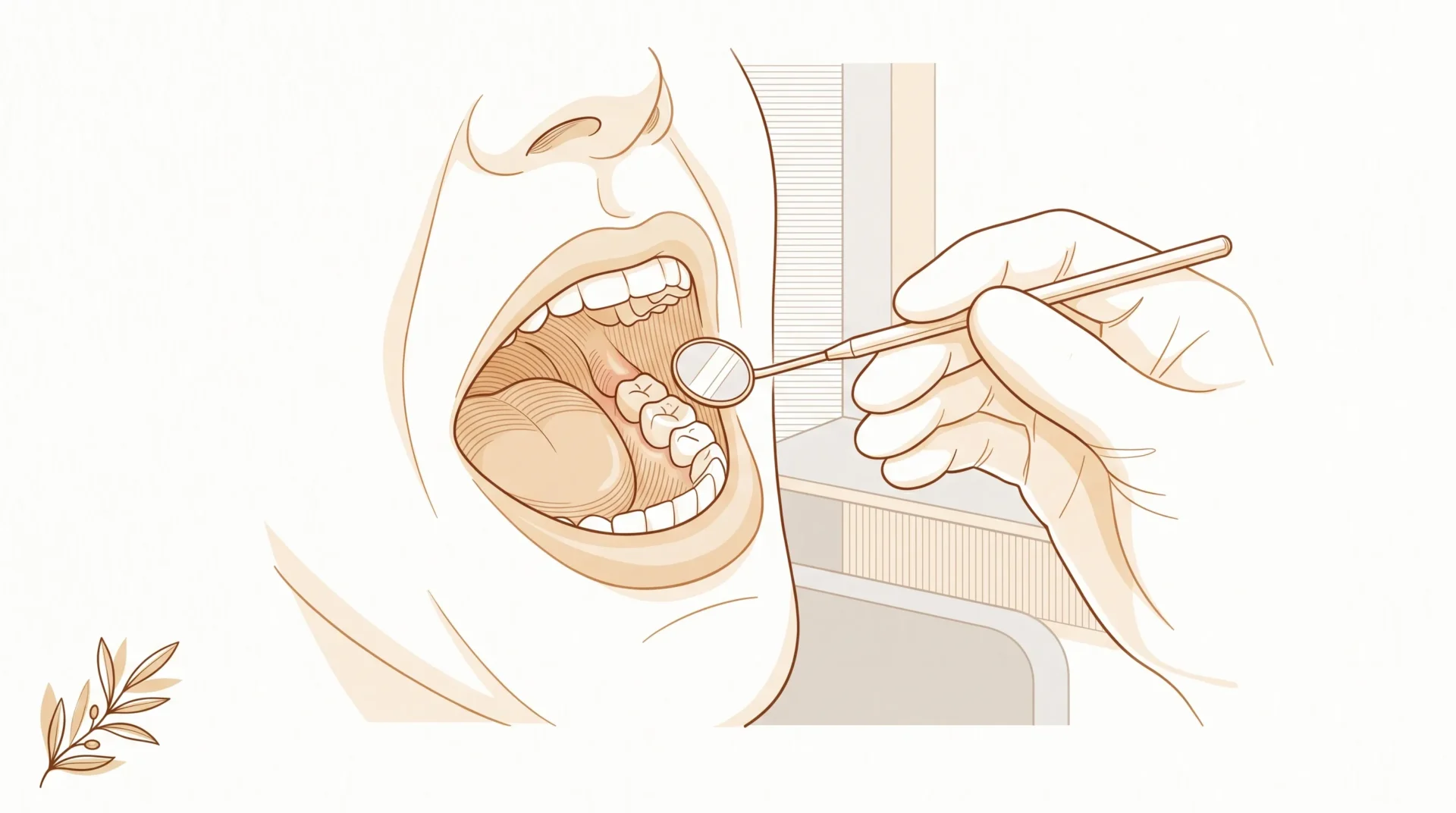
A wisdom tooth appointment is usually focused on understanding the source of your symptoms and checking whether the tooth is healthy, impacted or affecting nearby structures. Your dentist will ask about your pain, how long it has been happening, whether it comes and goes and whether you have had swelling or infection before.
In a wisdom dentist consultation, your dentist may examine the gums, check how far the tooth has erupted and assess the tooth in front. They may also check your bite, jaw opening and any signs of infection. If the position of the tooth cannot be seen clearly in the mouth, an X-ray may be recommended.
X-rays can show the angle of the wisdom tooth, whether it is close to neighbouring teeth and, where visible, its relationship to important structures such as nerves and the sinus area. The type of X-ray needed depends on your individual circumstances.
Possible treatment options
The right option depends on the tooth, your symptoms, your general health and the risks and benefits of treatment. Your dentist can explain what is reasonable in your case rather than assuming removal is always needed.
Options may include:
- Improved cleaning around the tooth and review
- Treatment of gum inflammation or infection where appropriate
- Filling or other treatment if decay is present and the tooth can be restored
- Wisdom tooth removal if the tooth is diseased, repeatedly infected, damaging nearby teeth or unlikely to remain healthy
- Referral for specialist assessment if the tooth is complex or close to important structures
If removal is being considered, your dentist should explain why, what the procedure may involve, expected recovery, costs and alternatives. Integrated Dental Care has a separate article on what to expect with wisdom teeth removal in Pakenham if you want a more detailed overview of the process.
Does pain always mean wisdom tooth removal?
Pain does not always mean extraction is required. Sometimes discomfort is related to temporary gum inflammation, food trapping, bite pressure or another tooth nearby. In other cases, repeated infection or damage to the tooth in front may make removal a reasonable option to discuss.
After a wisdom dentist examines the area, they can explain whether your symptoms are likely to settle with conservative care or whether ongoing problems are more likely. A balanced recommendation should include the option of monitoring if it is clinically appropriate.
There are also situations where a tooth may be difficult to remove due to its position, root shape or closeness to nerves. In these cases, referral to an oral surgeon may be discussed. This does not mean something is wrong, only that some wisdom teeth require a higher level of planning.
Risks and limitations to understand
All dental procedures carry potential benefits and risks. For wisdom tooth removal, possible risks can include bleeding, swelling, bruising, dry socket, infection, temporary jaw stiffness and discomfort during healing. Less common but important risks can include altered sensation in the lip, chin or tongue if nearby nerves are affected.
Your individual risk depends on factors such as tooth position, root shape, age, medical history, smoking status, medications and whether infection is present. Your dentist can explain which risks are relevant to your circumstances and whether further imaging or referral may be appropriate.
Treatment experiences vary. Some people recover quickly from a straightforward extraction, while others need more time, especially after surgical removal. It is reasonable to ask about recovery, time off work or study, driving, eating, oral hygiene and what to do if symptoms change after treatment.
Seeing a dentist in Pakenham about wisdom teeth
If you live in Pakenham, Officer, Beaconsfield, Nar Nar Goon, Koo Wee Rup or elsewhere around Cardinia Shire, seeing a local dentist may make assessment and follow-up easier. This can be helpful if you are managing recurring symptoms, need X-rays or want to discuss whether removal is appropriate.
A wisdom dentist appointment at Integrated Dental Care can be used to assess your symptoms, discuss your options and explain whether monitoring, treatment or referral may be suitable. The clinic provides general, emergency and other dental services in Pakenham, and online booking is available through the website.
If you are mainly wondering whether extraction is necessary, you may also find this related article on whether wisdom teeth need to be extracted useful. It covers why some wisdom teeth are left alone and why others are removed after clinical assessment.
How to care for wisdom teeth while waiting for your appointment
If your symptoms are mild and you are waiting for an appointment, gentle cleaning can help reduce food and plaque around the area. Brush carefully behind the back molars if you can reach the area, and follow any advice already given by your dentist or doctor.
Do not place aspirin directly on the gum or tooth, as this can irritate or burn the tissue. If you are considering pain relief medicine, follow the product directions and speak with a pharmacist or medical practitioner if you are unsure whether it is safe for you.
Seek prompt advice rather than waiting if swelling develops, pain becomes severe, you feel unwell, or you have trouble swallowing or opening your mouth. These symptoms need proper assessment and should not be managed with home care alone.
Frequently asked questions
What age should I see a dentist about wisdom teeth? Many people first have wisdom teeth assessed in their late teens or early twenties, but timing varies. You can see a dentist earlier or later if you have pain, swelling, gum irritation or concerns about how the teeth are coming through.
Can a dentist tell if my wisdom teeth need removing without an X-ray? Sometimes a dentist can see obvious problems in the mouth, but an X-ray is often needed to understand the position of the tooth and roots. Your dentist will recommend imaging only when it is clinically useful.
Should I see a dentist if my wisdom tooth pain comes and goes? Yes, recurring pain can suggest food trapping, gum inflammation or another issue that needs assessment. Symptoms that settle temporarily may still return if the underlying cause remains.
Is wisdom tooth removal always done by a general dentist? Not always. Some wisdom teeth can be removed by a general dentist, while others may require referral to an oral surgeon. This depends on complexity, tooth position, medical history and individual risk factors.
What should I do if my face is swollen from a wisdom tooth? Facial swelling should be assessed promptly, especially if you also have fever, difficulty swallowing, worsening pain or trouble opening your mouth. Contact a dentist or an appropriate urgent healthcare service for advice.
Discuss your wisdom tooth concerns in Pakenham
If you are unsure whether your symptoms are related to wisdom teeth, a dental examination can help identify the cause and explain your options. Your dentist can discuss the potential benefits, risks and alternatives of monitoring or treatment based on your individual circumstances.
To arrange a wisdom dentist assessment in Pakenham, you can contact Integrated Dental Care or book online through the clinic website. If your symptoms are severe, include swelling or are affecting swallowing or jaw movement, seek prompt professional advice.
Disclaimer
The information provided on this website is for general informational and educational purposes only. It is not intended to replace professional dental advice, diagnosis or treatment. Dental needs and treatment outcomes vary between individuals. Always seek advice from a qualified dental practitioner regarding your specific circumstances before making decisions about your oral health or treatment. A consultation and clinical assessment are required to determine which treatment options may be suitable for you. All dental procedures carry potential risks and benefits, which will be discussed with you before treatment.