
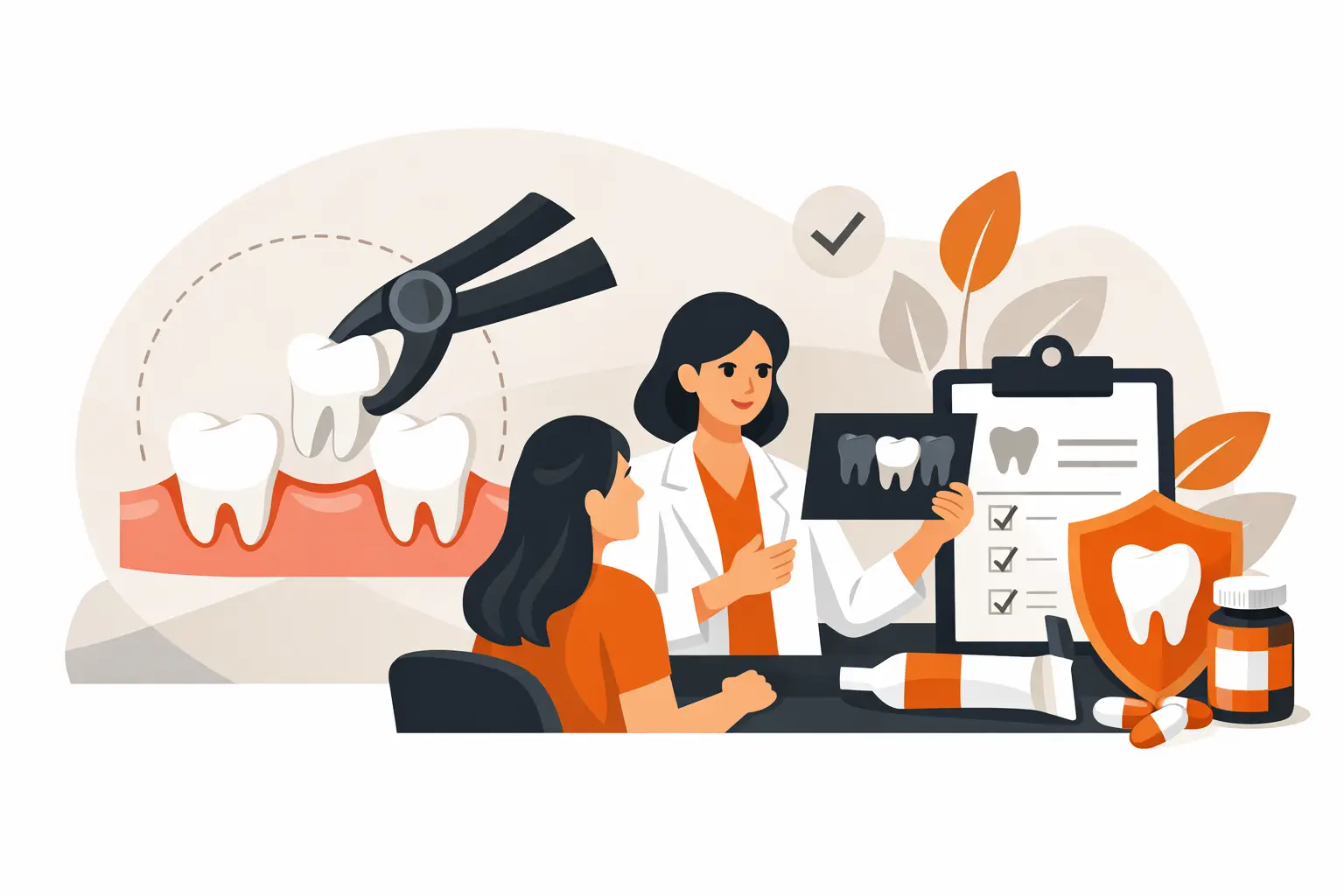
How to Prepare for Tooth Extraction Safely
30 July 2026 | Blog
A tooth extraction can be a planned part of caring for your oral health, whether a tooth is badly damaged, infected, crowded or causing problems as a wisdom tooth. Knowing how to prepare for tooth extraction can make the day feel more manageable and help you follow your dentist’s instructions with confidence.
Your preparation will depend on the reason for the extraction, the type of anaesthetic or sedation planned, your medical history and the complexity of the procedure. A straightforward extraction under local anaesthetic may need little more than a good meal beforehand and a clear recovery plan. Surgical or wisdom tooth removal, particularly where sedation is involved, usually requires more detailed preparation.
If you have any questions about preparing for your extraction, or about any part of your treatment plan, please contact our team at Integrated Dental Care in Pakenham. We are happy to talk through what to expect and help you feel ready for your appointment.
Confirm the details of your appointment
Before the day, make sure you understand what is planned. Your dentist should explain why the tooth needs to be removed, the expected steps, available anaesthetic options, possible risks and what recovery may involve. This is also the right time to ask practical questions rather than trying to remember them while you are in the chair.
It can help to confirm whether you will have local anaesthetic only, or whether sedation has been recommended. Local anaesthetic numbs the treatment area while you remain awake. Sedation may make you feel drowsy or deeply relaxed, but it can affect your coordination and judgement for some time afterwards.
Ask how long to allow for the appointment, when you can return to work or school, and whether you need a review. If a child is having a tooth removed, ask what food, drinks and pain relief are appropriate for their age and circumstances.
Share your health information honestly
Your dental team needs an up-to-date picture of your general health to plan treatment safely. Tell them about medical conditions, allergies, pregnancy or the possibility of pregnancy, previous problems with anaesthetic, and any history of heavy bleeding after surgery.
Bring, or provide in advance, a current list of all medicines and supplements. This includes prescription medicines, pharmacy products, vitamins, herbal remedies and recreational substances. Some medicines can affect bleeding, healing or the way anaesthetic works.
Particular examples include blood-thinning medicines, diabetes medicines, immune-suppressing medicines and some treatments for osteoporosis or bone conditions. Do not stop or change a prescribed medicine unless the dentist, your doctor or the clinician who prescribed it has specifically advised you to do so. Stopping medicines without advice can create its own health risks.
If you have had an unwell day leading up to your appointment, such as fever, vomiting, a chest infection or a significant flare-up of a medical condition, contact the practice. Depending on the situation, the dentist may advise whether treatment should proceed or be rescheduled.
Eat and drink according to your instructions
For an extraction under local anaesthetic alone, many people are advised to eat a normal, light meal before arriving. Having food beforehand can help you feel steadier, particularly if you are nervous. Avoid alcohol before your appointment.
However, fasting instructions are different if you are having sedation or a general anaesthetic. Your treating team will tell you exactly when to stop eating and drinking. Follow those instructions carefully, even if they differ from advice you have heard elsewhere. Fasting requirements vary according to the type of sedation, your health needs and the time of your appointment.
If you have diabetes, fasting needs individual planning. Let the dental practice know well beforehand so they can coordinate suitable instructions with your usual healthcare providers if needed.
Plan your trip home and the rest of the day
After local anaesthetic, some people can travel home independently if they feel well and their dentist has not advised otherwise. Even then, it is sensible to keep the rest of the day relatively clear. Numbness can last several hours, and you may feel tired after an anxious appointment.
If you are having sedation, arrange for a responsible adult to take you home and stay with you if advised. You should not drive, ride a bike, operate machinery, make significant decisions or drink alcohol after sedation for the period specified by your treating team. Booking a rideshare alone may not meet the escort requirements for some forms of sedation.
For Pakenham families and working adults, this might mean arranging school pick-up, taking personal leave or asking someone to cover dinner and caring duties. A little planning can remove unnecessary pressure when you get home.
Set up a simple recovery space
You do not need to turn your home into a hospital room, but a few preparations are worthwhile. Have a comfortable place to rest, clean pillows, water and easy-to-eat food available. Choose cool or lukewarm, soft options that do not need much chewing, such as yoghurt, mashed vegetables, scrambled eggs, soup that has cooled, porridge or smoothies eaten with a spoon.
Avoid using straws in the early recovery period unless your dentist says otherwise. The sucking action can disturb the blood clot that forms in the socket. That clot protects the underlying bone and supports normal healing.
If your dentist recommends pain relief, collect it before your appointment where possible. Only take medicines as directed, and check with your dentist or pharmacist if you are unsure what is safe alongside your regular medicines. Aspirin is not suitable for everyone after an extraction because it may increase bleeding, so seek individual advice rather than choosing pain relief based on someone else’s experience.
You may also want to have an ice pack or a bag of frozen peas wrapped in a clean cloth ready to use. Cold packs can sometimes help with swelling and discomfort in the first day, but use them for short periods and follow the guidance provided by your dentist.
What to do on the morning of your extraction
Wear comfortable clothing and avoid tight collars if you expect to be reclined for a while. Brush your teeth gently before leaving home, unless your dentist has given different instructions. A clean mouth is helpful, but do not scrub a painful or swollen area.
Bring your health fund card if relevant, your medication list, any referral or imaging requested, and your escort’s contact details if sedation is planned. Arrive with enough time to settle in, particularly if you are completing medical forms or discussing changes to your health.
It is normal to feel nervous. Let the dental team know if you are anxious, have a sensitive gag reflex or have found dental treatment difficult in the past. They can explain what is happening, agree on a signal for a pause and discuss options that may help you feel more comfortable. At Integrated Dental Care, this conversation is part of planning care around the individual, not a test of how well you cope.
Follow the first-day instructions closely
After the extraction, you will usually be asked to bite firmly but gently on gauze for a set period to help control bleeding. Slight oozing or blood-stained saliva can be expected initially. Your dentist will tell you when and how to replace the gauze if needed.
For the first 24 hours, common advice is to rest, avoid vigorous exercise, avoid smoking or vaping, and avoid rinsing forcefully or spitting. Smoking and vaping can interfere with healing and raise the risk of complications. If stopping is difficult, tell your dental team so they can discuss practical support and timing.
Once the numbness has worn off, take care with hot drinks and food. It is easy to accidentally burn your mouth or bite your lip, cheek or tongue while sensation is reduced. Keep your diet soft for as long as recommended, then gradually return to normal foods as comfort allows.
When to contact your dentist
Pain, tenderness and some swelling are common after an extraction, especially after a surgical procedure. These symptoms should generally be manageable with the plan your dentist has provided and should begin to improve over time. Recovery differs between people and between types of extraction.
Contact your dentist promptly if bleeding does not settle after following the instructions, pain or swelling is getting worse rather than improving, you develop a fever, notice a persistent bad taste or discharge, or have trouble swallowing or breathing. Difficulty breathing, severe swelling affecting the airway, or uncontrolled bleeding requires urgent medical attention.
Frequently asked questions
Can I go to work after a tooth extraction?
It depends on the extraction and the nature of your work. Some people return to desk-based duties after a simple extraction under local anaesthetic, while others need a day or more to rest. Physical work, surgical extractions and sedation often require more downtime. Your dentist can provide guidance based on your procedure.
Can I brush my teeth after an extraction?
Usually, yes, but brush gently and keep away from the extraction site on the first day. Follow your dentist’s instructions about when to begin gentle rinsing and how to keep the area clean.
How long does tooth extraction healing take?
The gum surface may start to close over within days to weeks, while deeper healing takes longer. Healing time varies with the tooth removed, the complexity of treatment, smoking status, general health and how well aftercare instructions can be followed.
A well-prepared extraction day is not about doing everything perfectly. It is about giving your dental team accurate information, following personalised instructions and leaving yourself enough time and support to recover without rushing.
Disclaimer
The information provided on this website is for general informational and educational purposes only. It is not intended to replace professional dental advice, diagnosis or treatment. Dental needs and treatment outcomes vary between individuals. Always seek advice from a qualified dental practitioner regarding your specific circumstances before making decisions about your oral health or treatment. A consultation and clinical assessment are required to determine which treatment options may be suitable for you. All dental procedures carry potential risks and benefits, which will be discussed with you before treatment.