What a Dentist Considers Before Cosmetic Dentistry
22 October 2026 | Cosmetic Dentistry, General Dentistry, Oral Health
If you have searched for “dentist cosmetic dentistry”, you may be comparing ways to change tooth colour, shape or alignment. Before recommending any treatment, a dentist assesses your teeth, gums, bite and medical history. The aim is to understand whether a proposed change is appropriate, what risks it carries and whether a less invasive option could meet your goals.
Cosmetic treatment is a personal choice, not a requirement for healthy teeth. An assessment may lead to treatment, care for an underlying dental problem or a decision to leave things as they are.
What your dentist considers before cosmetic dentistry
The starting point is usually a conversation about what concerns you and what you would like to change. A single stained tooth, a chipped edge and crowded front teeth require different assessments, even if they all affect appearance.
Your dentist will also ask about symptoms such as sensitivity, bleeding gums or discomfort when chewing. These details can reveal issues that need attention before cosmetic options are discussed.
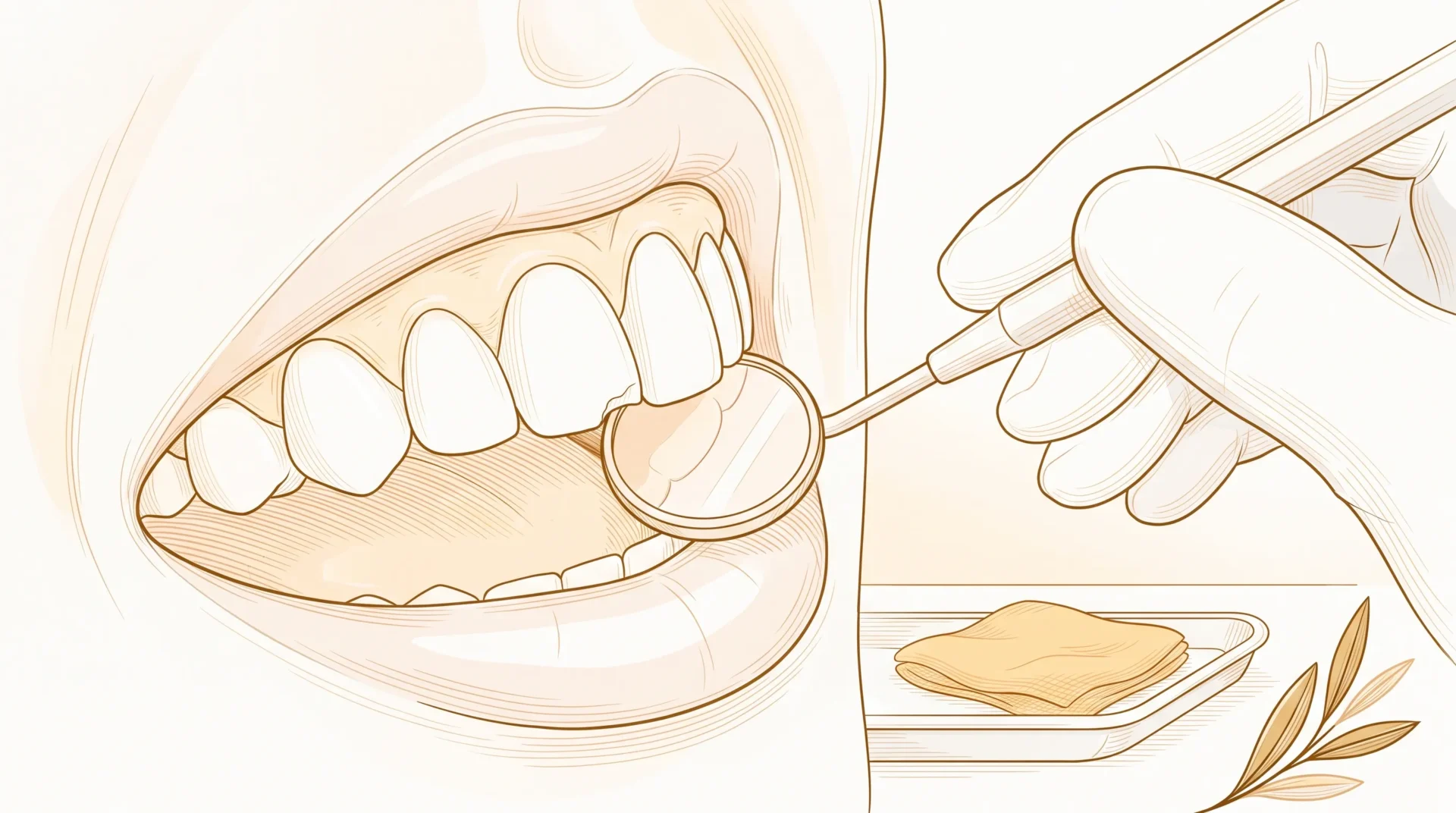
Depending on your circumstances, an examination may include checking existing fillings, measuring gum health and assessing how your teeth meet. Photographs, scans or X-rays may be recommended where they provide information needed for planning. Your dentist should explain their purpose rather than treating every investigation as an automatic requirement.
You may also encounter the term aesthetic dentistry, including in international resources such as this Swedish overview of aesthetic dental care. It broadly describes treatment focused on appearance. Neither “aesthetic dentist” nor “cosmetic dentist” is a recognised dental specialist title in Australia.
Healthy teeth and gums come before changes to appearance
Tooth decay, gum inflammation and infection can affect whether cosmetic treatment is suitable. Covering a tooth or changing its colour does not resolve an underlying health problem.
For example, bleeding gums may need assessment and management before veneers or other restorations are planned. Gum inflammation can change the position and appearance of the gum edge, making it harder to plan how a restoration should sit. Untreated decay may also compromise the tooth beneath a cosmetic restoration.
Before cosmetic dentistry, your dentist considers whether your oral health is stable enough to support the proposed treatment. This includes how well you can clean around your teeth and whether any existing dental work needs attention.
The distinction between appearance and health is explained further in our article on when general and cosmetic dentistry may be considered together.
Treating an underlying condition first does not mean every patient needs extensive preliminary care. Some people have healthy teeth and simply want information about an optional change. The examination helps distinguish these situations without assuming treatment is necessary.
How much healthy tooth structure is available?
A tooth's strength matters as much as its visible surface. Your dentist checks for cracks, wear, large fillings and areas where enamel has already been lost. Enamel is the hard outer covering of a tooth.
These findings influence how much additional treatment a tooth can reasonably support. A small chip in an otherwise sound tooth presents a different situation from a tooth with a large filling and a weakened biting surface.
Composite bonding uses a tooth-coloured resin to alter or repair part of a tooth. In some circumstances it requires little preparation, although it can chip, stain or need repair. Veneers cover the front surface of a tooth and may require enamel removal. Where enamel is removed, that change is irreversible.
A crown covers more of the tooth and generally requires more preparation. It may be considered when a tooth needs structural support, but it should not be assumed to be necessary for a minor colour concern.
When planning cosmetic dentistry, a dentist weighs the potential appearance change against the amount of healthy tooth tissue affected. Preserving tooth structure is an important part of that discussion.
Your bite, tooth position and grinding habits
Your bite describes how your upper and lower teeth meet. Your dentist checks these contacts both when you close your mouth and when you move your jaw.
A restoration that looks appropriate but receives excessive biting pressure may be more vulnerable to damage. Clenching or grinding, sometimes called bruxism, can also affect planning. Signs may include worn edges, fractured fillings or muscle tenderness, although these findings need assessment rather than self-diagnosis.
Crowding and tooth position matter too. Adding material to an already prominent tooth may make it bulkier without addressing its position. Orthodontic treatment, which moves teeth, may be an alternative to reshaping or covering them in suitable cases.
Your dentist considers cosmetic dentistry alongside function, not separately from it. Where grinding is suspected, they may discuss management options and whether a protective appliance is appropriate. An appliance does not guarantee that restorations will avoid damage.
Whether the proposed treatment can achieve the intended change
Not every appearance concern responds to the same treatment. Surface staining differs from colour changes within a tooth, while a rotated tooth differs from one with an uneven edge.
Whitening is a useful example. It can lighten natural teeth, but existing crowns, veneers and tooth-coloured fillings do not whiten in the same way. This can create a colour mismatch that needs to be discussed before treatment. Healthdirect's information on teeth whitening also explains potential effects such as tooth sensitivity and gum irritation.
The following examples show why an examination can change a treatment discussion. They are not recommendations for an individual patient.
| Finding during assessment | Why it matters for planning |
|---|---|
| A visible crown or filling | Whitening may change neighbouring natural teeth without changing the restoration's colour. |
| Bleeding or inflamed gums | Gum health may need management before cosmetic work is planned. |
| A large filling or crack | The tooth's strength needs assessment before choosing a restoration. |
| Heavy wear or grinding | Biting forces may affect the risk of chipping or fracture. |
| Crowded or rotated teeth | Moving teeth may be an alternative to changing their shape with restorations. |
Before recommending cosmetic dentistry, your dentist should explain what an option can reasonably change, what it cannot change and which uncertainties remain. Treatment outcomes and experiences vary between patients.
Medical history, medicines and daily habits
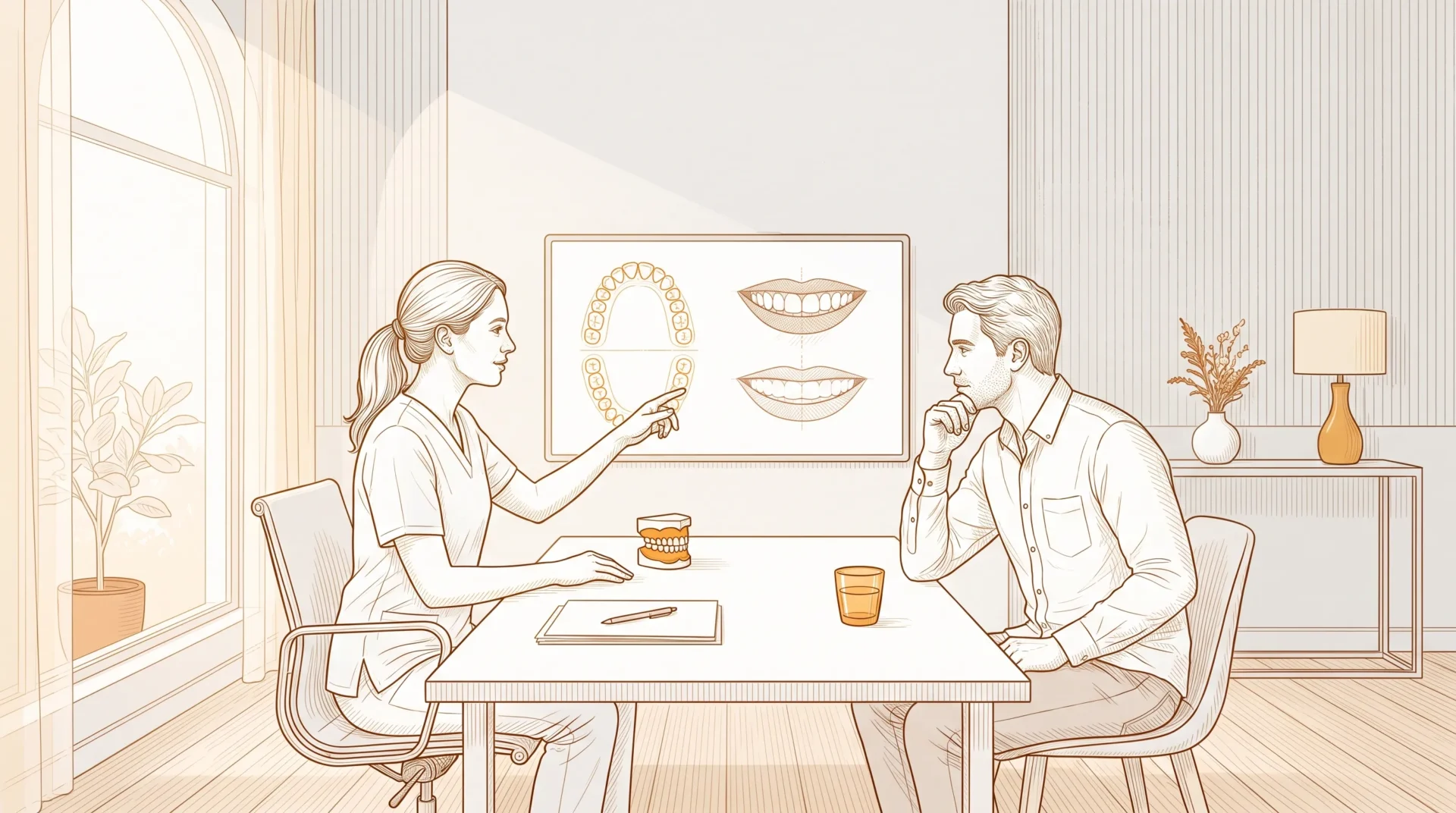
Your general health can affect dental care, even when the intended change is cosmetic. Tell your dentist about medical conditions, medicines, allergies and previous reactions to dental treatment.
Diabetes, smoking and medicines that reduce saliva may be relevant to gum health, decay risk or healing, depending on the proposed procedure. Saliva helps protect teeth, so persistent dry mouth is worth mentioning rather than treating it as unrelated to your appointment.
If you are pregnant or breastfeeding, let your dentist know. Elective whitening is generally deferred because safety evidence in these circumstances is limited. Necessary dental care can still be assessed separately.
Your dentist also considers cosmetic dentistry in the context of daily habits. Frequent acidic drinks, brushing practices and tobacco use may affect tooth wear, staining or the maintenance of dental work.
There is no need to stop a prescribed medicine yourself. The purpose of sharing this information is to support appropriate planning, including consultation with your medical practitioner where needed.
Your preferences, expectations and alternatives
The dentist needs to understand what matters to you, not simply apply a standard idea of how teeth should look. Natural differences in tooth shape, shade and spacing are not automatically health problems.
It helps to describe the specific concern. You might want to discuss one chipped edge while keeping the rest of your teeth unchanged. Alternatively, you may be unsure whether anything needs treatment and want an explanation of your options.
Clinical photographs, shade guides or planning aids may support that conversation if appropriate. Any preview should be understood as a planning tool, not a promise of the final result.
For a dentist, cosmetic dentistry planning includes discussing alternatives and the option of no treatment. Depending on the concern, alternatives might include monitoring, stain removal, orthodontics or a smaller restorative change.
You should have an opportunity to ask questions and consider the information before agreeing to elective care. An assessment does not commit you to proceeding.
Treatment sequence, costs and future maintenance
Some treatments need to happen in a particular order. Gum care or decay management may come first. If whitening and a new visible restoration are both being considered, colour matching may influence the sequence.
Ask for a written plan explaining the proposed stages, fees and expected appointments. It should also clarify whether there may be additional costs for repairs, maintenance or replacing dental work in the future. Our guide to what affects cosmetic dental treatment costs explains why the scope of treatment matters more than a headline price.
For patients arranging appointments in Pakenham or travelling from nearby Officer, the number and spacing of visits can be an important practical consideration.
Your dentist should discuss cosmetic dentistry as ongoing care rather than a one-off purchase. Bonding can need repair, whitening effects can fade and restorations may eventually need replacement. Maintenance requirements depend on the treatment, your oral health and daily care.
What to bring to your assessment
A little preparation can make the appointment more useful. Bring an up-to-date medicines list and any relevant dental records you already have. Be ready to describe your concerns, symptoms and previous dental treatment.
Useful questions include:
- What is causing the appearance concern, and is it also a health issue?
- Is there a less invasive option, including leaving the teeth unchanged?
- How much tooth structure would be altered?
- What are the main risks, limitations and future maintenance needs?
- What is included in the proposed fee, and what might cost extra?
If something is unclear, ask for it to be explained in everyday language. You do not need to arrive having chosen a procedure, and you can take time to consider elective treatment.
Frequently asked questions
Can I have cosmetic dentistry if I have gum disease? Gum disease needs assessment and may require management before cosmetic treatment. Your dentist will consider its severity, your cleaning routine and the proposed procedure before discussing whether and when treatment may be appropriate.
Will I need X-rays at a cosmetic consultation? Not necessarily. Your dentist may recommend X-rays when they are needed to assess matters such as decay, existing dental work or the health of a tooth. They should explain why imaging is relevant to your circumstances.
Are veneers always needed to change the appearance of teeth? No. Depending on the concern, options may include whitening, bonding, orthodontic treatment or no treatment. Veneers have limitations and may involve irreversible enamel removal, so alternatives should be discussed.
Can I choose not to proceed after an assessment? Yes. A consultation provides information about suitability, risks, benefits and alternatives. You can decide not to have elective cosmetic treatment or seek another opinion before making a decision.
Discuss your concerns with a dentist in Pakenham
Integrated Dental Care offers general and cosmetic dental services in Pakenham. If you would like to understand your options, you can arrange an appointment with Integrated Dental Care to discuss your concerns.
A clinical assessment can help clarify what is appropriate for your teeth, which alternatives are available and what each option would involve, including the choice not to change their appearance.
Disclaimer
The information provided on this website is for general informational and educational purposes only. It is not intended to replace professional dental advice, diagnosis or treatment. Dental needs and treatment outcomes vary between individuals. Always seek advice from a qualified dental practitioner regarding your specific circumstances before making decisions about your oral health or treatment. A consultation and clinical assessment are required to determine which treatment options may be suitable for you. All dental procedures carry potential risks and benefits, which will be discussed with you before treatment.