

Questions to Ask About Dental Implants in Pakenham
24 August 2026 | Dental Fees & Financing, General Dentistry, Preventative Dentistry
If you have searched 'dental implants in near me' because you live in or around Pakenham, you are probably trying to answer more than one question. You may want to know whether implants are suitable, what the process involves, what it may cost and how to compare advice from different clinics.
A search result can help you find local options, but it cannot tell you whether a dental implant is appropriate for your mouth. That decision depends on a clinical assessment, your oral health, your medical history, your jawbone, your bite and what you want the replacement tooth to do day to day.
This guide outlines practical questions to ask before deciding on dental implants in Pakenham, so you can have a more informed conversation with your dentist.
If you searched 'dental implants in near me', start with suitability, not just location
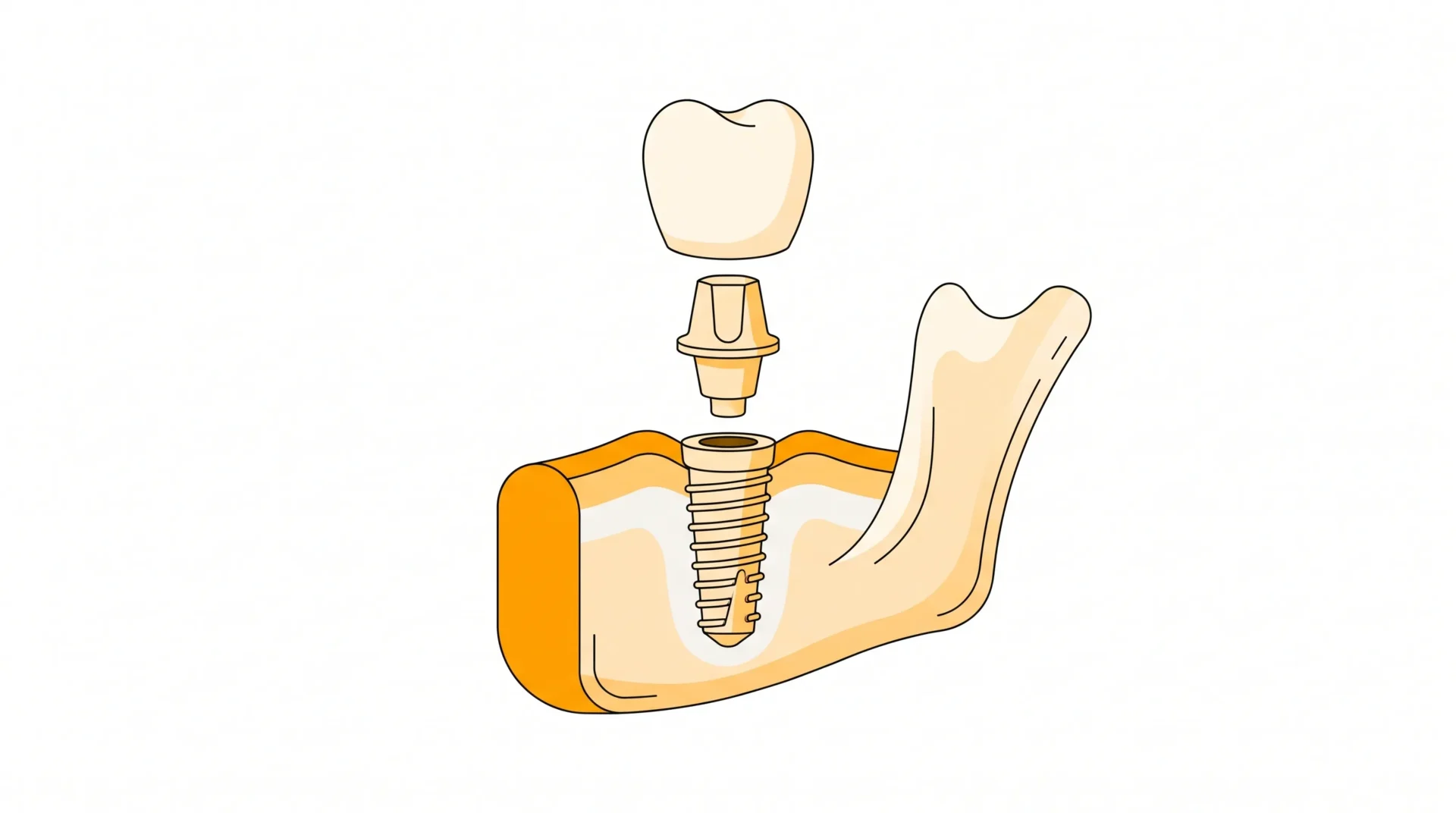
A dental implant is a small fixture placed into the jawbone to support a replacement tooth, bridge or denture. The Australian Dental Association’s patient website, Teeth.org.au, explains that implants may be used to replace one or more missing teeth, but they require assessment and planning.
Healthy gums, enough supporting bone and good ongoing home care are commonly considered when assessing implant suitability. If you are comparing information from different Victorian clinics, this dental implant overview from Gentle Dental Geelong is another example of the types of topics, such as gum health, bone volume and consultation planning, that may come up during implant discussions.
Before focusing on location alone, it helps to ask questions that clarify the treatment plan, alternatives, risks and long-term maintenance.
| Question to ask | Why it matters |
|---|---|
| Am I suitable for an implant? | Suitability depends on your mouth, bone, gums and general health. |
| Are there non-implant options? | Bridges, dentures or other treatment may be appropriate in some situations. |
| What is included in the quote? | Implant treatment may involve several stages, providers and components. |
| What are the risks and limitations? | All dental procedures carry possible risks and benefits. |
| How will the implant be maintained? | Ongoing reviews and home care affect long-term oral health. |
Dental implants in Pakenham: questions to ask at your consultation
A good implant consultation should feel clear, not rushed. You do not need to know dental terminology before attending, but it is useful to have a short list of questions ready.
Is a dental implant suitable for my mouth and health?
This is the first question to ask because not every missing tooth is best managed with an implant. Your dentist may need to check your gums, neighbouring teeth, bite, jawbone and the space available for the replacement tooth.
You should also mention your medical history, medications, smoking history, diabetes, osteoporosis treatment, previous gum disease or any history of radiotherapy to the head or neck. These details may affect healing, treatment planning or whether another approach should be considered.
Useful follow-up questions include:
- What parts of my oral health need to be assessed before deciding?
- Do I have enough bone to support an implant?
- Are my gums healthy enough for implant treatment?
- Are there any medical factors that could affect healing?
- Would I need treatment for gum disease, decay or bite issues first?
Your dentist should explain why an implant may or may not be suitable in your situation. If more information is needed, they may recommend X-rays, 3D imaging or referral for further assessment.
Can the natural tooth be saved, or are there other replacement options?
If the tooth is still present, ask whether it can reasonably be restored. Depending on the tooth and surrounding structures, options such as a filling, crown, root canal treatment or extraction may be discussed. In some cases, saving a natural tooth may be considered. In others, removal and replacement may be more appropriate.
If the tooth is already missing, ask about the full range of replacement choices. Implants are only one option. A conventional bridge, removable denture or leaving the space untreated may be discussed depending on the location of the gap, bite, aesthetics, chewing needs and your preferences. Integrated Dental Care has a separate guide to replacement options for missing teeth if you want a broader comparison before your appointment.
What type of implant treatment is being recommended?
Dental implant treatment is not one-size-fits-all. A single missing tooth may be restored with one implant and one crown. Several missing teeth may involve an implant-supported bridge. Some patients may discuss implant-supported dentures or more complex treatment, although suitability varies.
Ask your dentist to explain the parts of the proposed treatment in plain language. The plan may include the implant fixture, an abutment, which connects the implant to the visible tooth, and a crown or other restoration. If a bone graft or temporary replacement tooth is being considered, ask why it may be needed and what alternatives exist.
Who will plan, place and restore the implant?
Implant treatment may involve one dentist or several dental professionals. Some clinics complete most stages in-house, while others coordinate with another dentist, oral surgeon, periodontist or prosthodontist where appropriate.
Ask who will be responsible for each stage and who you should contact if you have questions after treatment. This is particularly important if your implant is being planned, surgically placed and restored by different providers.
Reasonable questions include:
- Who is involved in my treatment planning?
- Will any part of treatment require a referral?
- Who places the implant fixture?
- Who makes and fits the final crown, bridge or denture?
- How are records, scans and instructions shared between providers?
What imaging or tests are needed before a decision is made?
A visual check alone may not provide enough information for implant planning. Your dentist may recommend dental X-rays or 3D imaging to assess bone levels, tooth roots, nerves, sinuses and nearby structures.
Ask what each image is for, whether it is included in the treatment estimate and whether it changes the proposed plan. If you have recent dental images from another clinic, bring them to your appointment or ask whether they can be transferred.
Questions about costs, quotes and payment timing
Dental implant costs can vary because treatment plans vary. A single headline price may not show the full picture. The total may depend on the number of appointments, imaging, surgical planning, temporary teeth, bone grafting if required, implant components, laboratory work, the final crown or bridge and review appointments.
A written treatment estimate should be clear enough for you to understand what is included, what may be additional and which stages are optional or conditional. If you are reviewing more than one plan, Integrated Dental Care’s guide on how to compare dental treatment offers carefully may help you look beyond the headline figure.
| Cost question | What to clarify |
|---|---|
| Is this a written quote or an estimate? | Some costs may change if the plan changes after imaging or surgery. |
| What stages are included? | Check whether consultation, imaging, implant placement, abutment and final crown are included. |
| Are temporary teeth included? | Some patients need a temporary option during healing. |
| Could grafting or other treatment add cost? | Additional procedures may be recommended depending on bone, gums or tooth position. |
| Are follow-up visits included? | Review appointments and maintenance should be discussed early. |
| Are payment plans available? | Ask how repayments, eligibility and terms work before committing. |
If paying in stages would make treatment more manageable, you can read about interest free dental payment plans and then discuss the current options directly with the clinic. Payment arrangements should be considered alongside clinical suitability, not instead of it.
Questions about the dental implant process and timing
Implant treatment is usually planned in stages. The exact order and timing vary between patients, especially if tooth removal, healing time, gum treatment or bone grafting is required.
Ask your dentist to map out the expected sequence before you decide. It is also reasonable to ask what could delay treatment, what symptoms to expect after surgery and what to do if something does not feel right.
| Stage | What may happen | Questions to ask |
|---|---|---|
| Consultation and assessment | Your teeth, gums, bite and medical history are reviewed. | What information is needed before you can advise me? |
| Imaging and planning | X-rays or 3D scans may be used to assess bone and nearby structures. | What does the imaging show, and how does it affect the plan? |
| Preparatory treatment | Gum treatment, removal of a damaged tooth or grafting may be discussed. | Is this required, optional or dependent on what is found? |
| Implant placement | The implant fixture is placed in the jawbone if suitable. | What should I expect after the appointment? |
| Healing period | The bone may need time to integrate with the implant. | How long is healing likely to take in my case? |
| Final restoration | A crown, bridge or denture is attached once the implant is ready. | What material and design are being recommended? |
| Maintenance | Reviews and home care help monitor the implant and surrounding gums. | How often should the implant be checked? |
You may also wish to ask about time away from work, sport or other activities. Your dentist can give advice based on the procedure being performed and your individual circumstances.
Questions about risks, healing and long-term care
All dental procedures carry potential risks and benefits. Implant treatment can be considered for many patients with missing teeth, but it is not guaranteed to be successful and it is not suitable for everyone.
Possible risks and complications can include swelling, bleeding, infection, discomfort, delayed healing, implant movement, failure of the implant to integrate with the bone, gum inflammation around the implant, damage to nearby structures, sinus-related issues for upper back teeth, nerve irritation or changes in sensation. The final crown, bridge or denture can also chip, loosen, wear or need repair over time.
This does not mean these issues will happen to you. It means you should understand them before consenting to treatment.
Ask your dentist:
- What are the main risks in my particular case?
- What symptoms after treatment are expected, and what symptoms should I report?
- How will my gums and bone be monitored?
- What can I do at home to care for the implant?
- How often should I attend maintenance appointments?
- What might happen if I grind my teeth or clench my jaw?
Implants still need careful cleaning. Food and plaque can build up around implant crowns, just as they can around natural teeth. Gum inflammation around an implant can affect the supporting tissues, so regular dental reviews and good home care are part of responsible treatment planning.
Questions about alternatives if implants are not suitable
If your dentist advises that an implant is not currently suitable, ask why. Sometimes the reason may be temporary, such as untreated gum disease or a healing extraction site. In other cases, anatomy, medical factors, cost, personal preference or treatment complexity may make another option more appropriate.
Alternatives may include a removable denture, a conventional bridge, orthodontic space management in selected cases or monitoring the space if replacing the tooth is not necessary or not desired. Each option has advantages, limitations and maintenance requirements.
A balanced discussion should include what happens if you choose no treatment for now. For example, nearby teeth may shift in some situations, chewing may feel different or the bite may change. In other cases, monitoring may be reasonable. Your dentist can assess your circumstances and explain what is most relevant to your mouth.
How to prepare for an implant consultation in Pakenham
If you live in Pakenham, Officer, Beaconsfield, Nar Nar Goon, Koo Wee Rup or elsewhere in the Cardinia Shire, convenience can matter because implant treatment may involve several appointments. Location should not be the only factor, but it is reasonable to consider travel, parking, appointment availability and follow-up access.
Before your appointment, gather any information that may help your dentist assess you properly. Bring a list of medications, relevant medical conditions, details of previous dental treatment and any recent X-rays if you have them. If you use a night guard, denture or retainer, bring that too.
It can also help to write down what matters most to you. Some patients are focused on chewing comfort. Others want to avoid a removable denture if possible. Some are concerned about surgery, cost, timing or the appearance of a front tooth. Your priorities can shape the discussion, but clinical suitability still needs to guide the final recommendation.
When to arrange a prompt dental assessment
You do not need to rush into implant treatment simply because a tooth is missing. However, some dental symptoms should be assessed promptly.
Contact a dentist if you have facial swelling, increasing dental pain, pus, fever, trauma, a loose adult tooth, uncontrolled bleeding or difficulty swallowing or opening your mouth. These symptoms may indicate an infection or another issue that needs timely care. If you feel seriously unwell or have difficulty breathing, seek urgent medical assistance.
For non-urgent missing tooth concerns, a planned consultation is usually the best starting point. It gives you time to ask questions, understand options and consider the information before deciding.
Frequently asked questions
How do I know if I am suitable for dental implants? Suitability can only be assessed by a dentist after reviewing your mouth, gums, bone, bite and medical history. X-rays or 3D imaging may be recommended before a treatment plan is made.
Are dental implants the only option for missing teeth? No. Depending on your situation, options may include a bridge, removable denture, implant treatment or monitoring the space. Each option has different benefits, limitations, maintenance needs and costs.
How long does dental implant treatment take? Timing varies. Some patients need preparatory treatment or a healing period before the final crown, bridge or denture is fitted. Your dentist can explain the likely sequence after assessing you.
Do dental implants need maintenance? Yes. Implant-supported teeth require daily cleaning and regular dental reviews. The surrounding gums and bone need to be monitored, and implant crowns or other components may require repair or replacement over time.
What should be included in a dental implant quote? Ask whether consultation, imaging, implant placement, components, temporary teeth, the final restoration, follow-up visits and any possible additional procedures are included. A written estimate should make inclusions and exclusions clear.
Can I get dental implants if I have gum disease? Active gum disease may need treatment before implant planning. Healthy gums are important for supporting teeth and implants, so your dentist will usually assess and manage gum health first.
Speak with a dentist about your options
If you are considering dental implants in Pakenham, a dental examination can help determine whether implant treatment may be suitable and what alternatives are available. The team at Integrated Dental Care can assess your oral health, explain potential benefits and risks and discuss options based on your individual needs.
To discuss a missing tooth or implant-related question, you can contact Integrated Dental Care or use the clinic’s online booking option to arrange an assessment in Pakenham.
Disclaimer
The information provided on this website is for general informational and educational purposes only. It is not intended to replace professional dental advice, diagnosis or treatment. Dental needs and treatment outcomes vary between individuals. Always seek advice from a qualified dental practitioner regarding your specific circumstances before making decisions about your oral health or treatment. A consultation and clinical assessment are required to determine which treatment options may be suitable for you. All dental procedures carry potential risks and benefits, which will be discussed with you before treatment.