
What Modern Dentistry May Include at Your Dental Visit
2 September 2026 | Dental Technology, General Dentistry, Preventative Dentistry
If you have searched for modern dentistry near me, you may be looking for a dental visit that feels clear, organised and suited to your needs. Modern dentistry is not only about technology. It is also about careful assessment, prevention, communication and treatment planning that helps you understand your options before deciding what to do next.
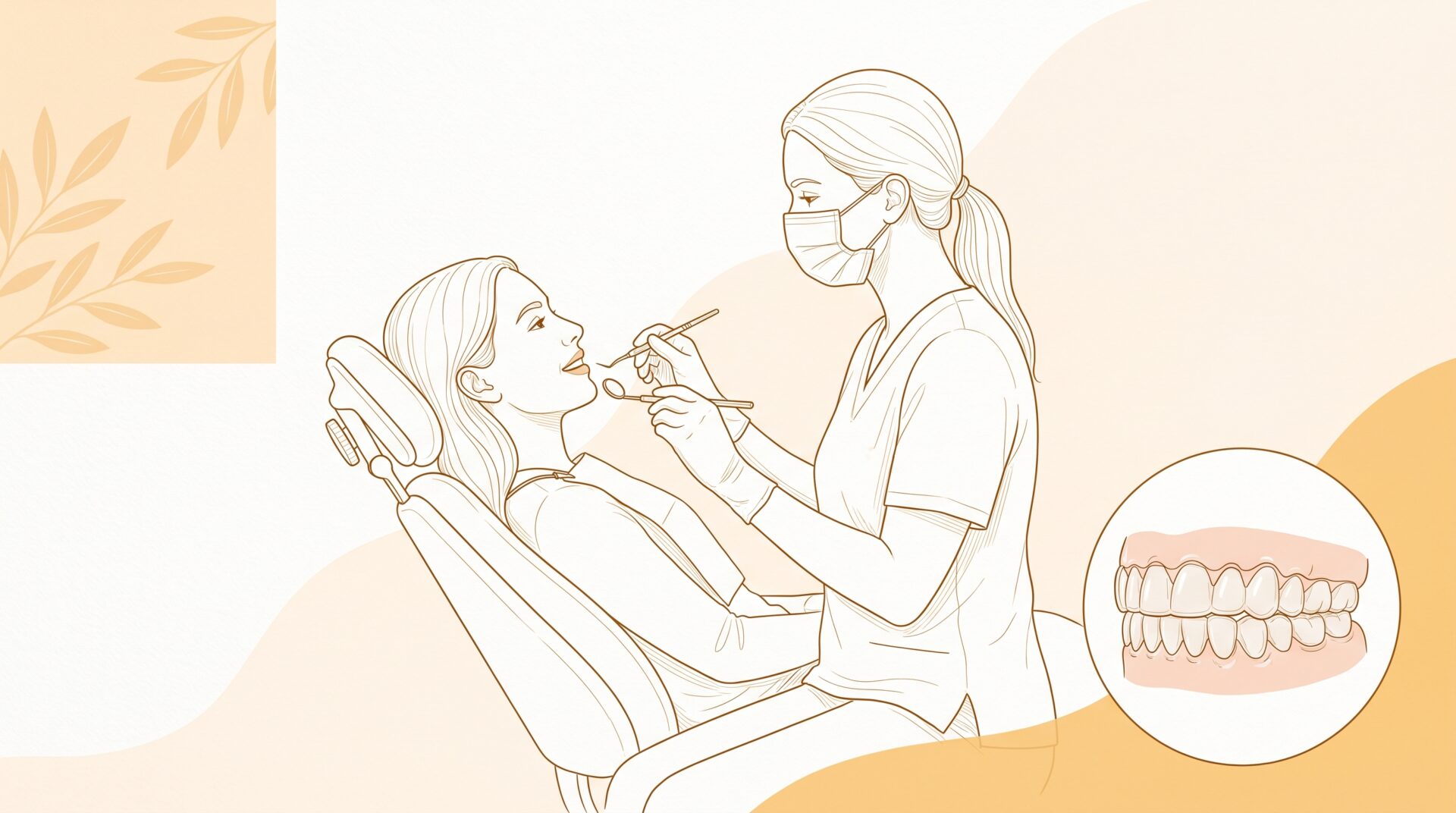
At a dental appointment, your dentist may use digital records, dental X-rays, photographs, intraoral scans or other tools when they are clinically appropriate. The aim is to gather accurate information, explain what is happening in your mouth and discuss possible next steps based on your oral health, medical history and personal goals.
For patients in Pakenham, Officer, Beaconsfield, Nar Nar Goon, Koo Wee Rup, Cardinia and Melbourne’s south east, knowing what a modern dental visit may include can make it easier to book with realistic expectations.
What does modern dentistry mean in everyday dental care?
Modern dentistry generally refers to a combination of up-to-date clinical knowledge, appropriate technology and patient-centred care. It does not mean every person needs advanced imaging or complex treatment. In many cases, a routine check-up, clean, preventive advice and monitoring plan may be the most suitable approach.
A modern dental visit may focus on:
- Understanding your concerns, symptoms and goals
- Checking your teeth, gums, bite, jaw and soft tissues
- Using diagnostic tools only when they are likely to add useful information
- Explaining findings in plain language
- Discussing benefits, risks, alternatives and likely costs before treatment
- Supporting prevention at home, not just treatment in the chair
The foundations of good dentistry have not changed: accurate assessment, prevention, careful treatment and follow-up when needed. What has changed is that digital tools can sometimes make it easier to record information, plan care and help patients see what the dentist is discussing.
Searching for modern dentistry near me? What may happen at a Pakenham dental visit
A modern dental appointment usually starts with the basics. Your dental team may ask about your medical history, medications, allergies, previous dental treatment, current symptoms and any concerns about appearance, comfort or function.
From there, your dentist may carry out an examination of your teeth, gums, tongue, cheeks, jaw joints and bite. They may check for tooth decay, cracks, gum inflammation, signs of tooth wear, oral hygiene changes and other concerns. If you want a more detailed overview of what can happen during a standard appointment, Integrated Dental Care has a separate guide on what happens during a routine dental appointment.
Dental X-rays may be recommended if your dentist needs to see areas that cannot be properly assessed by looking in the mouth alone, such as between teeth, under old fillings or around tooth roots. X-rays are not needed at every visit for every patient. Your dentist should be able to explain why they are being recommended and how the information may affect your care.
Intraoral photographs may also be used. These are close-up images of teeth and gums that can help show cracks, wear, staining, gum changes or areas that are difficult to see in a mirror. They do not replace a clinical examination, but they can make conversations about treatment options easier to understand.
Digital tools that may be used during modern dental care
Not every clinic uses the same equipment and not every patient needs the same diagnostic tools. The right technology depends on the concern being assessed, the proposed treatment and the level of detail required.
| Modern dental tool | What it may be used for | Important limitations |
|---|---|---|
| Digital dental X-rays | Checking areas between teeth, tooth roots, bone levels and some infections | Used when clinically justified, not automatically at every visit |
| Intraoral photographs | Showing visible cracks, wear, plaque, gum changes or old restorations | Helpful for explanation, but not a diagnosis on their own |
| Intraoral scanners | Creating digital impressions for some crowns, aligners, retainers or planning | May not be suitable for every treatment or every mouth |
| 3D imaging, such as CBCT | Assessing some implant, wisdom tooth, orthodontic or complex cases | Involves more radiation than standard dental X-rays, so it should be used selectively |
| Treatment planning software | Helping plan some restorative, orthodontic or implant treatments | A digital plan does not guarantee a particular outcome |
These tools are useful when they answer a clinical question. For example, an intraoral scan may help with some orthodontic or restorative planning, while 3D imaging may be considered before certain implant or surgical procedures. Your dentist can explain whether a tool is relevant in your situation and what alternatives may be available.
Prevention is still the centre of modern dentistry
For many patients, the most valuable part of a dental visit is not a device or procedure. It is prevention. Early advice may reduce the chance of small issues becoming more complex, although outcomes depend on many factors including home care, diet, saliva, medical history and attendance patterns.
Preventive care may include a scale and clean, fluoride advice, brushing and flossing guidance, dietary discussion and monitoring of early tooth decay or gum changes. For children, prevention may also include discussions about tooth development, fissure sealants, mouthguards for sport and habits such as thumb sucking or dummy use.
The Australian Dental Association’s patient education website, Teeth.org.au, provides general oral health information for the public. This can be useful alongside advice from your own dentist, who can assess your individual mouth rather than giving general information only.
Integrated Dental Care also has a practical article on improving your oral health at home, which covers simple habits that may support day-to-day prevention.
Communication, comfort and informed consent
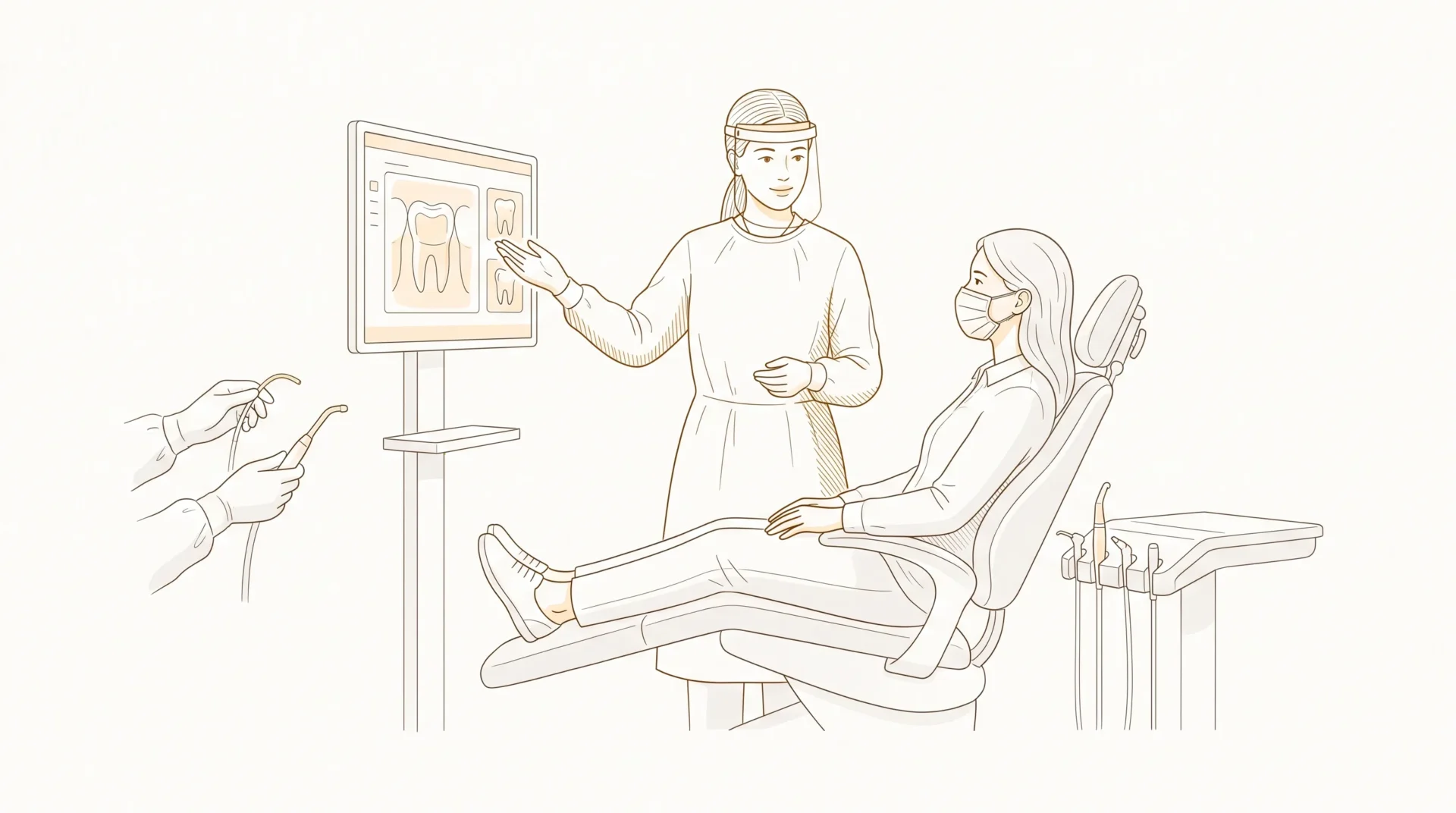
A modern dental visit should not feel rushed or confusing. Before treatment, your dentist should explain what they have found, what options may be available and what could happen if no treatment is done. This discussion is part of informed consent.
For many patients, clear communication makes the appointment easier to manage. You can ask for breaks, raise concerns about previous dental experiences and request explanations before instruments are used. Local anaesthetic may be used for some procedures to reduce discomfort, but experiences vary and no dental treatment should be described as completely risk-free or guaranteed to be without discomfort.
If you feel unsure about a recommendation, it is reasonable to ask questions such as:
- What is the diagnosis or main concern?
- What are the treatment options, including doing nothing for now if appropriate?
- What are the possible risks and benefits?
- How long may treatment take?
- What follow-up could be needed?
- What fees are involved and what is included?
These questions are especially useful when comparing treatment offers. A lower headline price may not include the same assessment, materials, follow-up or diagnostic steps. Integrated Dental Care has a helpful guide on how to compare dental treatment offers carefully if you are weighing up different options.
Cosmetic, restorative and orthodontic discussions
Modern dentistry may include discussions about appearance, function or comfort, depending on what you want to address. Cosmetic and restorative dentistry can involve options such as teeth whitening, dental bonding, veneers, crowns, tooth-coloured fillings, orthodontic treatment or dental implants. Suitability depends on your oral health, tooth structure, gum health, bite, medical history and expectations.
A responsible cosmetic discussion should not make normal differences in tooth colour, shape or spacing sound like problems that must be fixed. Some people are happy with small variations in their smile and do not need treatment. Others may wish to explore options after understanding the benefits, limitations, maintenance needs and risks.
For orthodontic care, digital records may include photographs, X-rays, scans and computer-based planning. This can help assess tooth movement options such as clear aligners or braces, but a clinical examination is still needed. Digital orthodontic planning is also used internationally, including in practices such as Dr Monica Filipescu’s digital orthodontics clinic in Bucharest, although treatment approaches, regulations and suitability assessments differ between countries.
For dental implants, modern planning may include gum assessment, bone assessment, medical history review and sometimes 3D imaging. Implants can be considered for some missing teeth, but they are not suitable for everyone. Gum disease, smoking, certain medical conditions, bone volume, oral hygiene and other factors may affect whether implant treatment is appropriate.
All dental procedures carry potential risks and benefits. Your dentist can explain these in relation to the treatment being considered rather than providing one-size-fits-all advice.
Family dental visits and children’s care
For families, modern dentistry often means convenience and continuity. A family dental visit may include check-ups for adults and children, preventive care, monitoring of tooth development, early orthodontic discussions and advice for home routines.
Children’s dental care is often focused on prevention, familiarity and age-appropriate communication. A child’s visit may involve counting teeth, checking for decay, assessing bite development and helping parents understand brushing, diet and dental habits. Some children may be eligible for support through the Australian Government’s Child Dental Benefits Schedule, and eligibility information is available from Services Australia.
Integrated Dental Care offers general dental care, children’s dentistry, cosmetic dentistry, emergency appointments, Invisalign treatment, teeth whitening, dental implants, online booking and payment plan options. Availability and suitability can vary, so it is sensible to confirm what is appropriate for your appointment when booking.
Emergency concerns in a modern dental setting
Modern dentistry also includes the ability to assess urgent dental problems in a structured way. Dental pain, swelling, trauma, a broken tooth, a knocked-out adult tooth, bleeding that does not settle, a lost filling or wisdom tooth pain may require prompt professional assessment.
A dental emergency appointment may focus first on diagnosis and relief of the immediate concern. Definitive treatment may occur at the same visit or may require further appointments, depending on the issue, time available and clinical findings.
If you have facial swelling affecting breathing or swallowing, significant trauma, uncontrolled bleeding or symptoms that feel medically serious, seek urgent medical care through emergency services or a hospital emergency department.
How to choose a modern dental clinic without relying on buzzwords
When someone searches for modern dentistry near me, it can be tempting to compare clinics based only on technology, website photos or promotional wording. A more useful approach is to look for clear communication and appropriate care.
Consider whether the clinic:
- Explains why diagnostic tools are recommended
- Discusses treatment choices rather than presenting only one option
- Provides information about risks, benefits, fees and alternatives
- Offers preventive care, not only cosmetic treatment
- Can care for different family members where suitable
- Gives you time to ask questions before deciding
Technology can support good dentistry, but it does not replace clinical judgement. The right dental visit is one where your concerns are heard, your mouth is assessed properly and recommendations are explained in a way you can understand.
Frequently asked questions
What does modern dentistry near me usually include? It may include digital records, dental X-rays when clinically needed, intraoral photographs, preventive care, treatment planning and clear discussion of options. The exact appointment depends on your symptoms, oral health and reason for visiting.
Do I need digital scans or X-rays at every dental visit? Not necessarily. X-rays, scans and other tools should be recommended when they are likely to provide useful clinical information. Your dentist can explain why they may or may not be needed.
Can modern dentistry make treatment pain-free? No dental treatment should be described as guaranteed to be pain-free. Dentists can use approaches such as local anaesthetic, clear communication and breaks during treatment to help manage comfort, but experiences vary between patients.
Is cosmetic dentistry part of modern dental care? It can be. Cosmetic options such as whitening, bonding, veneers, crowns or aligners may be discussed when a patient wants to explore appearance-related changes. Suitability depends on oral health, expectations, risks, maintenance needs and individual circumstances.
What should I bring to a dental appointment? Bring details of medications, allergies, relevant medical conditions, previous dental X-rays if available, your health fund card if applicable and any questions you want to ask. If the appointment is for a child, bring Medicare or Child Dental Benefits Schedule details if relevant.
Arranging a dental assessment in Pakenham
A dental examination can help determine what is happening in your mouth and which options may be appropriate. If you are looking for modern dental care in Pakenham or Melbourne’s south east, you can contact Integrated Dental Care to arrange an appointment and discuss the type of visit that may suit your needs.
Disclaimer
The information provided on this website is for general informational and educational purposes only. It is not intended to replace professional dental advice, diagnosis or treatment. Dental needs and treatment outcomes vary between individuals. Always seek advice from a qualified dental practitioner regarding your specific circumstances before making decisions about your oral health or treatment. A consultation and clinical assessment are required to determine which treatment options may be suitable for you. All dental procedures carry potential risks and benefits, which will be discussed with you before treatment.