
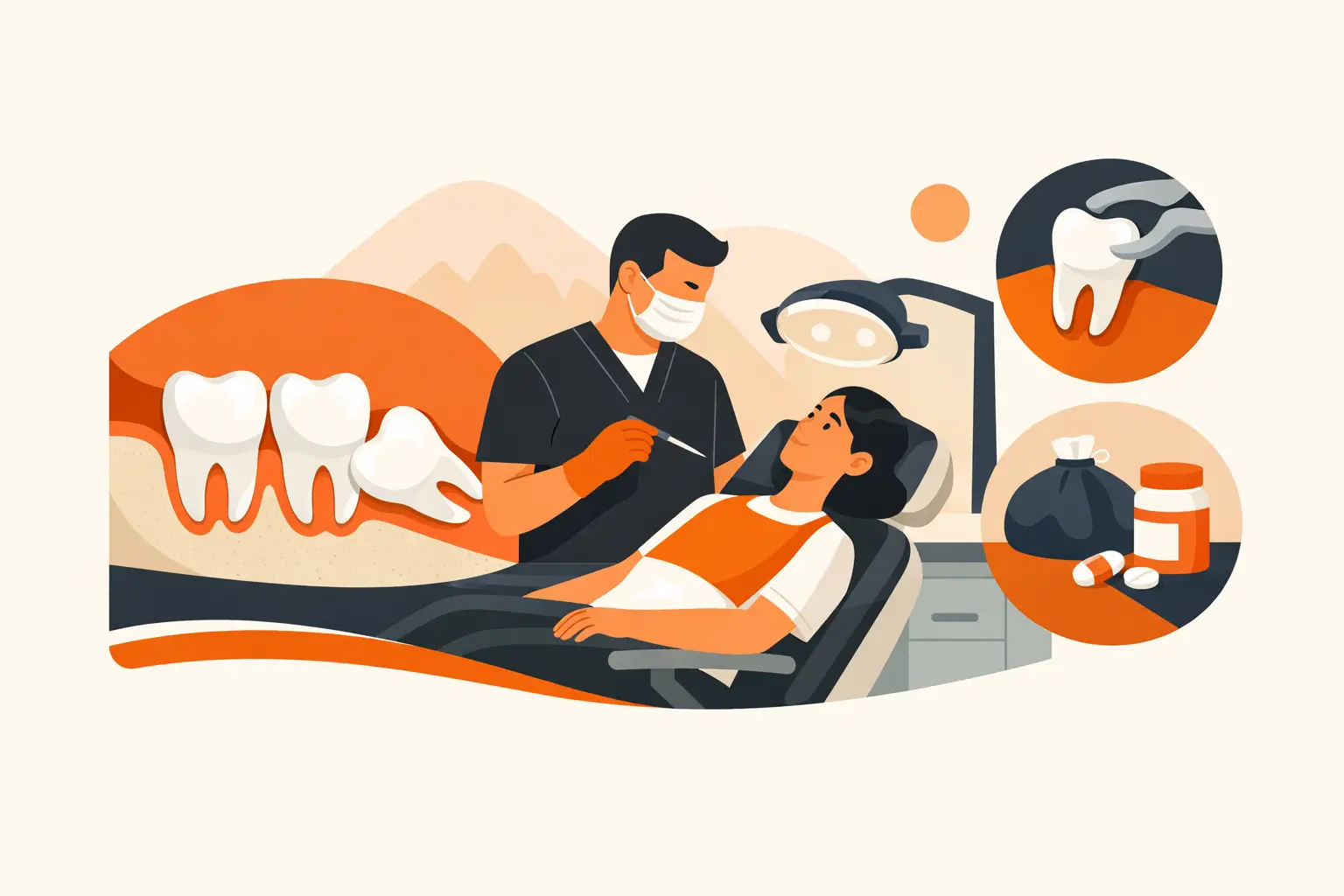
Wisdom Teeth Removal Pakenham: What to Expect
11 July 2026 | Blog
A wisdom tooth can stay quiet for years, then suddenly cause jaw pain, swelling, a bad taste in the mouth or difficulty chewing on one side. If you are looking into wisdom teeth removal Pakenham patients often want the same thing – clear advice on whether removal is necessary, what the procedure involves and how long recovery may take.
When wisdom teeth become a problem
Wisdom teeth are the last adult teeth to develop, usually appearing in the late teens or early twenties. Some come through normally and never need treatment. Others do not have enough room to erupt properly, which can leave them trapped under the gum or pressing against neighbouring teeth.
This is where symptoms often begin. A partially erupted wisdom tooth can create a pocket where food and bacteria collect, making the area harder to clean. That may lead to sore gums, swelling, decay or repeated infections. In some cases, there is no pain at all, but an examination and dental imaging show that the tooth is likely to cause problems later.
Not every wisdom tooth has to be removed. The decision depends on your symptoms, the tooth position, your oral hygiene, your age and whether the tooth can be monitored safely over time.
Wisdom teeth removal in Pakenham: who may need it?
The most suitable time to assess wisdom teeth is often before they start causing ongoing trouble. Many people are first checked in their late teens or twenties, but older adults may also need removal if a wisdom tooth becomes infected, decayed or difficult to maintain.
Our Pakenham dentist may discuss removal if you have:
- recurring pain or pressure at the back of the mouth
- swollen, bleeding or infected gum tissue around a wisdom tooth
- food trapping that is difficult to clean
- decay affecting the wisdom tooth or the neighbouring molar
- a tooth growing at an angle or staying impacted
- cyst-related concerns or other changes seen on imaging
- crowding concerns, depending on your overall dental situation
There are also times when monitoring is more appropriate than immediate removal. If a wisdom tooth is healthy, functional and easy to clean, active treatment may not be necessary. That is why a proper clinical assessment matters more than assumptions.
What happens at the first appointment?
A wisdom teeth consultation usually starts with a discussion about your symptoms, general health and dental history. The dentist will examine your mouth and assess whether the area is inflamed, infected or difficult to access.
Dental X-rays are commonly used to check the position of the wisdom teeth, the shape of the roots and how close the teeth are to nearby structures such as nerves or the sinus area in the upper jaw. This helps guide whether removal is straightforward or whether a more complex surgical approach is needed.
At this stage, your treatment options should be explained clearly. That may include watchful waiting, treatment of an active infection, or planning for removal. The likely risks, expected healing time and fees should also be discussed so you can make an informed decision.
Is wisdom teeth removal always surgical?
Not always. If a wisdom tooth has fully erupted and can be removed in a similar way to a standard extraction, the procedure may be relatively simple. If the tooth is impacted under the gum or bone, a surgical extraction may be required.
That distinction matters because it can affect the length of the appointment, the type of anaesthetic used and the recovery period. Some patients only need one troublesome wisdom tooth removed. Others may be advised to remove two or four at the same time, depending on symptoms and future risk.
The right approach depends on the individual. Removing all wisdom teeth pre-emptively is not suitable in every case, and delaying removal is not always the better option either.
What to expect on the day of removal
For straightforward cases, wisdom teeth may be removed under local anaesthetic in the dental chair. This means the area is numbed while you remain awake. You may feel pressure during the procedure, but sharp pain should be controlled.
For more complex cases, different arrangements may be recommended depending on the treatment plan and your needs. Before the procedure, you should be given instructions about eating, drinking, medications and transport, especially if sedation is involved.
Once the tooth is removed, the area is cleaned and gauze is placed to help with bleeding. Stitches are sometimes used. You will also receive aftercare instructions covering pain relief, swelling, eating and oral hygiene.
Recovery after wisdom teeth removal
Recovery varies from person to person. Many people feel most sore in the first 24 to 72 hours, with swelling often peaking during that time before gradually easing. A simpler extraction may settle quite quickly, while surgical removal of impacted teeth can take longer.
For the first few days, softer foods are usually easier to manage. Think yoghurt, soup that is not too hot, mashed vegetables, scrambled eggs or smoothies eaten with a spoon rather than a straw. Straws are generally avoided early on because the suction can disturb the healing site.
Rest matters as well. It is often sensible to take it easy for a day or two and avoid strenuous activity while the area starts to heal. Keeping the mouth clean is still important, but brushing needs to be gentle around the extraction site.
Common short-term effects include mild bleeding, swelling, stiffness and discomfort. These can be part of normal healing. If you develop severe pain, persistent bleeding, fever, worsening swelling or difficulty swallowing, you should contact your dental provider promptly for advice.
Possible risks and complications
All dental procedures carry some risk, and wisdom teeth removal is no exception. Most people recover without serious problems, but it is important to understand potential complications before proceeding.
These may include infection, dry socket, prolonged bleeding, delayed healing, temporary numbness and, less commonly, more significant nerve-related complications depending on the tooth position. Upper wisdom teeth can also be close to the sinus area.
This does not mean complications are expected. It means informed consent should include a realistic discussion of benefits, alternatives and risks so you know what to weigh up.
How much does wisdom teeth removal cost?
Cost depends on several factors, including whether the tooth is erupted or impacted, how many teeth are being removed, the complexity of the case and the type of anaesthetic used. That is why quotes can vary between patients.
If you have private health insurance with extras, your rebate will depend on your level of cover and annual limits. Some patients also want to ask about payment options before booking treatment, particularly when multiple teeth are involved.
The most useful quote is one based on an actual examination and X-rays rather than a general estimate. That way, you know what treatment has been recommended and why.
When should you book an assessment?
It is worth arranging a dental assessment if pain at the back of the mouth keeps returning, your gum around a wisdom tooth feels swollen or infected, or you have trouble opening your mouth comfortably. Even if symptoms settle, the underlying issue may still be there.
An assessment can also be useful before problems start if you know your wisdom teeth are coming through or you have been told previously that they are impacted. For many people in Pakenham and nearby suburbs, having this checked early can make planning simpler and may reduce the chance of repeated flare-ups.
FAQs about wisdom teeth removal Pakenham
Can I keep my wisdom teeth if they are not hurting?
Sometimes, yes. If they are healthy, properly positioned and easy to clean, monitoring may be appropriate. A dentist can advise whether they are likely to remain stable or cause problems later.
At what age should wisdom teeth be checked?
They are often assessed in the late teens or early twenties, but there is no single rule. If symptoms appear earlier or later, it is reasonable to have them examined at that point.
How long will I need off work or study?
It depends on the complexity of the extraction and the type of work you do. Some people return the next day after a simple removal, while others need a few days after surgical extraction.
Will I be asleep for the procedure?
Not necessarily. Many wisdom teeth are removed under local anaesthetic. In some cases, other options may be discussed depending on the complexity of treatment and the patient’s needs.
What can I eat afterwards?
Soft, easy-to-chew foods are usually most comfortable at first. Your dentist will provide specific aftercare instructions based on your procedure.
If you are unsure whether a wisdom tooth is simply erupting or beginning to cause a bigger problem, book an check-up at Integrated Dental Care today. A timely assessment can give you a clearer picture and help you decide on the next step with confidence.
Disclaimer
The information provided on this website is for general informational and educational purposes only. It is not intended to replace professional dental advice, diagnosis or treatment. Dental needs and treatment outcomes vary between individuals. Always seek advice from a qualified dental practitioner regarding your specific circumstances before making decisions about your oral health or treatment. A consultation and clinical assessment are required to determine which treatment options may be suitable for you. All dental procedures carry potential risks and benefits, which will be discussed with you before treatment.