
Saving Your Natural Tooth: Root Canal Treatment in Pakenham
15 July 2026 | Blog
A tooth can look intact on the outside while the tissue deep inside it is inflamed or infected. This is often when root canal treatment Pakenham patients ask about becomes part of the conversation. The treatment is intended to address problems within the tooth while retaining the natural tooth structure where this is clinically suitable.
Root canal treatment is a common dental procedure, but the decision is never based on one symptom alone. A dentist will assess your tooth, take relevant X-rays and discuss the condition of the tooth, your overall oral health and the available options before recommending a path forward.
What is root canal treatment?
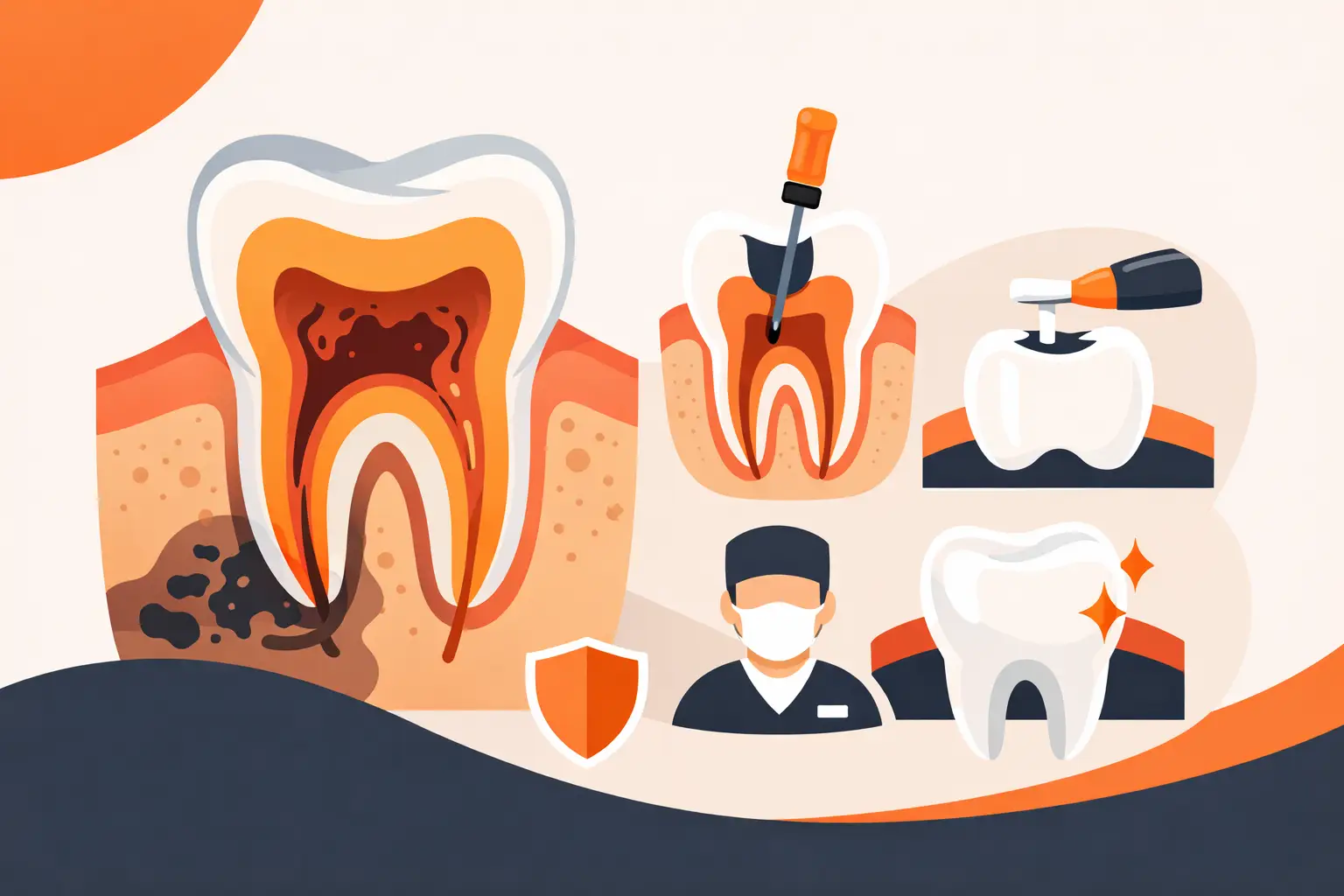
Inside every tooth is a soft area called the pulp. It contains nerves, blood vessels and connective tissue that helped the tooth develop. Once a tooth is fully formed, it can continue to function without this tissue.
The pulp may become inflamed or infected because of deep decay, a large or leaking filling, a crack, repeated dental work on the same tooth, trauma or gum disease. In some cases, inflammation settles after the cause is treated. In others, the pulp cannot recover and root canal treatment may be considered.
During treatment, the dentist removes the affected pulp, carefully cleans and shapes the narrow channels inside the roots, then fills and seals them. The tooth is usually restored afterwards with a filling or, where appropriate, a crown to help protect the remaining tooth structure.
Signs that need a dental assessment
Tooth pain can have several causes, and not every sore tooth needs root canal treatment. However, it is sensible to arrange an assessment if you notice ongoing pain, sensitivity to hot or cold that lingers, discomfort when biting, swelling near a tooth, a pimple-like spot on the gum or a tooth becoming darker than nearby teeth.
Sometimes an infected tooth causes little or no pain. Equally, severe pain may come from a cracked tooth, gum problem, sinus issue or another dental concern. An examination and X-ray help identify what is happening rather than relying on symptoms alone.
If facial swelling is spreading, you have difficulty swallowing or breathing, or you feel unwell with a dental infection, seek urgent medical or dental advice. These symptoms need timely assessment.
Root canal treatment in Pakenham: how the process works
The exact process varies depending on the tooth, the number and shape of its roots, the extent of infection and whether there has been previous treatment. Molars at the back of the mouth often have more complex root systems than front teeth, so they may take longer to treat.
Assessment and planning
At the initial visit, the dentist examines the tooth and surrounding gums, reviews X-rays and may perform tests such as checking the tooth’s response to temperature or pressure. They will also look at whether the tooth is restorable. For example, a tooth with a fracture extending far below the gum line may have a different outlook from a tooth with a treatable pulp infection.
You can discuss practical considerations at this stage, including the number of appointments likely to be needed, restoration options, fees and payment arrangements. A clear treatment plan should also cover relevant risks and alternatives.
Cleaning and sealing the tooth
Local anaesthetic is generally used to numb the area. A small opening is made through the chewing surface or back of the tooth to access the pulp. The dentist uses fine instruments and disinfecting solutions to clean the canals.
A protective sheet called a rubber dam is commonly used to isolate the tooth from saliva and help keep the treatment area clean. Depending on the clinical situation, the dentist may complete treatment in one appointment or place medication and a temporary filling before a later visit.
Once the canals are ready, they are filled with a biocompatible material and sealed. X-rays may be taken during or after treatment to check the work.
Restoring the tooth afterwards
Root canal treatment addresses the inside of the tooth. It does not rebuild tooth structure lost through decay, fracture or an old filling. A permanent filling may be suitable for some teeth, while a crown is often considered for heavily restored back teeth because they take substantial biting forces.
Your dentist will recommend an option based on how much healthy tooth remains, your bite, whether you grind your teeth and the location of the tooth. No restoration can remove every future risk, so regular reviews and good home care remain important.
Does root canal treatment hurt?
It is understandable to feel anxious about a procedure associated with tooth pain. Modern local anaesthetic is used to keep the treatment area numb, although people experience dental treatment differently. Let the dental team know if you are nervous, have had difficulty getting numb in the past or need a break during treatment.
It is common for a tooth and nearby gum to feel tender for a few days afterwards, particularly when biting. This should generally improve rather than worsen. Your dentist may suggest suitable pain relief based on your health history and current medications. Avoid placing aspirin directly on the gum or tooth, as it can injure the tissue.
Contact your dentist if pain becomes severe, swelling develops or returns, your temporary filling breaks, or your bite feels uneven. A tooth that feels high when you close can usually be adjusted.
Benefits, limitations and alternatives
When appropriate, root canal treatment may allow a natural tooth to remain in place. Keeping a tooth can help maintain chewing function and may avoid the need to replace a gap straight away. However, treatment is not suitable for every tooth, and outcomes vary according to factors such as the tooth’s condition, root anatomy, cracks, gum health, restoration quality and ongoing oral hygiene.
Alternatives may include monitoring a tooth where the pulp appears likely to recover, or removing a tooth that cannot be predictably restored. If extraction is chosen, replacement options can include a dental implant, bridge or removable denture. Each option has different timeframes, costs, maintenance requirements and clinical considerations.
There is no universally right choice. A useful conversation with your dentist considers the short-term issue as well as what is likely to be manageable for your mouth and circumstances over time.
Looking after your tooth after treatment
Until the final restoration is placed, avoid chewing hard foods on the treated tooth where possible. A temporary filling is not intended to withstand long-term biting pressure. Continue brushing twice daily with fluoride toothpaste and clean between your teeth each day, taking care around a tender area.
Attend any planned review or restoration appointment. Delaying the final restoration can leave the tooth more vulnerable to leakage or fracture. Ongoing check-ups allow the dentist to assess the tooth, restoration and surrounding gums over time.
What affects the cost of root canal treatment?
Fees can vary because root canal treatment is tailored to the tooth being treated. Front teeth generally have fewer canals than premolars and molars, while complex anatomy, retreatment of a previously treated tooth, infection management and the type of final restoration can affect the overall cost.
Ask for an itemised estimate that separates the root canal procedure, X-rays, temporary and permanent restorations, and any crown if recommended. If you have private health insurance, your level of cover and annual limits may affect your out-of-pocket cost. It is also reasonable to ask about available payment options before treatment begins.
Frequently asked questions
How long does root canal treatment take?
Some cases can be completed in one longer appointment, while others need two or more visits. The timing depends on the tooth, the presence of infection, treatment complexity and whether medication is placed between appointments.
Can a root canal treated tooth get infected again?
A previously treated tooth can develop further problems, particularly if bacteria enter through a leaking or broken restoration, untreated canals are present, or the tooth cracks. Further treatment, retreatment, surgery or extraction may be discussed depending on the cause and condition of the tooth.
Can I go back to work after my appointment?
Many people return to usual activities after treatment, but it depends on how you feel, the complexity of the procedure and whether sedation has been used. If you have had sedation, follow the specific instructions given by your dental team and arrange transport as required.
Book an assessment with our Pakenham dentist
If you have persistent tooth pain, swelling or a damaged tooth, an early assessment can clarify the cause and give you time to consider your options. Contact us today to book a consultation. Our Pakenham dentists at Integrated Dental Care can discuss whether root canal treatment or another approach is appropriate for your individual situation.
Disclaimer
The information provided on this website is for general informational and educational purposes only. It is not intended to replace professional dental advice, diagnosis or treatment. Dental needs and treatment outcomes vary between individuals. Always seek advice from a qualified dental practitioner regarding your specific circumstances before making decisions about your oral health or treatment. A consultation and clinical assessment are required to determine which treatment options may be suitable for you. All dental procedures carry potential risks and benefits, which will be discussed with you before treatment.