
Your First Visit to Integrated Dental Care in Pakenham
23 August 2026 | Children's Dentistry, Cosmetic Dentistry, Dental Fees & Financing, General Dentistry, Invisalign, Preventative Dentistry
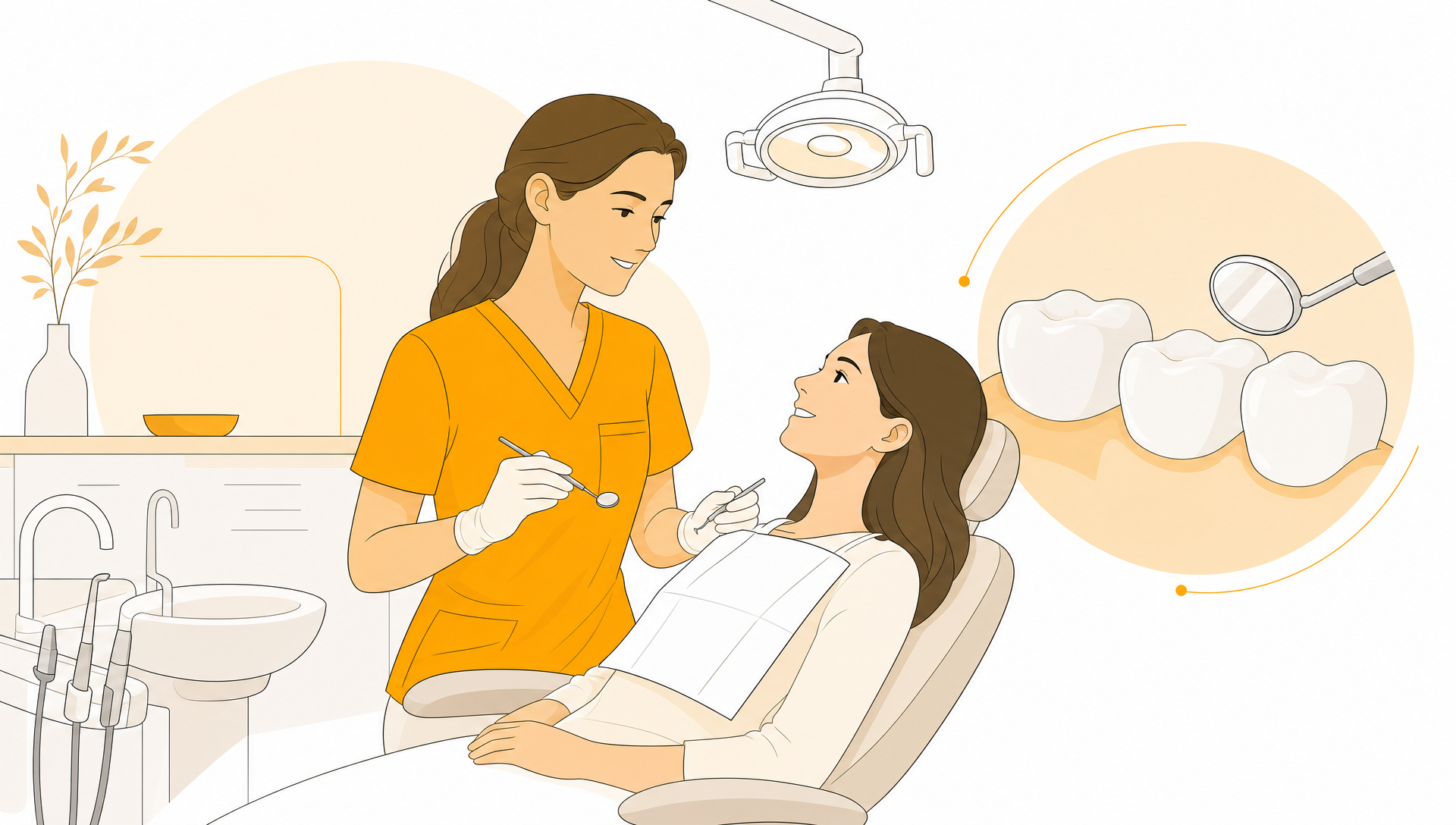
If you are booking your first appointment at Integrated Dental Care in Pakenham, you can expect the visit to focus on understanding your oral health, your concerns and your options. A first visit is not simply about “having a look”. It is a chance for your dentist to gather the right information, explain what they find in plain language and discuss care that may be suitable for your situation.
This guide explains what usually happens at a first dental visit, what to bring with you and how to prepare, whether you are coming in for a routine check-up, a dental concern, cosmetic advice or your child’s appointment.
What to expect at your first Integrated Dental Care appointment
Your first appointment will depend on why you are visiting. Some people come in because they are due for a check-up. Others have a sore tooth, a broken filling, bleeding gums, wisdom tooth discomfort or questions about cosmetic dentistry, implants or Invisalign treatment.
In most cases, the appointment includes a conversation about your dental history, a clinical examination and a discussion about possible next steps. If treatment is recommended, your dentist should explain the potential benefits, limitations, risks, likely costs and alternatives before you decide what to do.
| Part of the visit | What may happen | Why it matters |
|---|---|---|
| Your dental history | You discuss previous treatment, symptoms, concerns and goals | Helps your dentist understand what has changed and what matters to you |
| Medical history review | You share health conditions, medications and allergies | Some medical factors can affect dental treatment planning |
| Dental examination | Your dentist checks teeth, gums, bite, jaw and soft tissues | Helps identify issues that may need monitoring or treatment |
| X-rays or images | These may be recommended if clinically needed | They can show areas not visible during a visual exam |
| Treatment discussion | Your dentist explains findings and possible options | Allows you to make an informed decision |
If you are booking because you saw a new patient offer or promotion, it is reasonable to ask what is included when you book. Appointment inclusions can vary depending on your needs, whether X-rays are required and whether time has been set aside for a clean.
Before you arrive: what to bring
A little preparation can make your first visit smoother. You do not need to know dental terminology or arrive with a detailed plan. It is enough to explain what has been bothering you, what you would like checked and any questions you want answered.
Helpful things to bring include:
- Your Medicare card, especially if your child may be eligible for government-funded children’s dental benefits
- Your private health fund card or app, if you have cover
- A list of current medications, supplements and allergies
- Details of medical conditions that may affect treatment, such as diabetes, heart conditions or a history of bisphosphonate medication use
- Any recent dental X-rays, scans or treatment records if you have them
- Notes about symptoms, including when they started, what triggers them and whether they are getting better or worse
If you are nervous, have had a difficult dental experience before or need extra time to understand information, mention this when booking or at the start of the appointment. Your dentist can talk through what is happening before examining your mouth and can pause if you need a break.
What happens during the dental assessment?
A first dental assessment is designed to build a clear picture of your oral health. It should feel structured, but not rushed. Your dentist may ask questions before looking in your mouth because your symptoms, medical history and preferences all matter.
Talking through your dental and medical history
Your dentist may ask about past dental treatment, current symptoms, gum bleeding, tooth sensitivity, grinding, jaw clicking, snoring, diet, oral hygiene and how often you have attended dental appointments in the past.
They may also ask about medical conditions and medications. This is not just paperwork. Some health conditions can affect healing, infection risk, bleeding risk or which medicines and anaesthetics may be appropriate. If you are pregnant, planning pregnancy or breastfeeding, let the dental team know so this can be considered when planning care.
Checking your teeth, gums, bite and jaw
The clinical examination usually includes checking your teeth, existing fillings, crowns or other restorations, gum health, soft tissues, bite and jaw movement. Your dentist may use a small mirror and dental probe to assess areas that are hard to see at home.
Gum checks are also common during routine appointments. Bleeding gums, gum recession or deep pockets around teeth may suggest inflammation or gum disease, but a diagnosis requires a proper assessment. If something is found, your dentist can explain whether it is something to monitor, manage with preventive care or investigate further.
X-rays, photos and scans, if clinically needed
Dental X-rays may be recommended when the dentist needs more information than a visual examination can provide. For example, an X-ray may help assess decay between teeth, infection around a tooth root, bone levels around teeth, wisdom teeth or the condition of an existing filling or crown.
Not every first visit requires X-rays. If imaging is recommended, you can ask why it is needed, what it may show and whether there are alternatives. Your dentist should consider your history, symptoms and clinical findings before recommending any imaging.
Some appointments may also include photographs or digital scans, particularly if you are discussing cosmetic treatment, orthodontic options or more complex restorative care. These tools can help with communication and treatment planning, but they do not replace a clinical examination.
Cleaning, preventive advice and next steps
A dental clean may be completed during the same visit if the appointment type and clinical situation allow for it. In other cases, your dentist may recommend a separate appointment, especially if you need a more detailed gum assessment, have a specific urgent problem or require more time for treatment planning.
Preventive advice should be tailored to what your dentist finds. This may include brushing technique, interdental cleaning, fluoride use, diet habits, mouthguard advice or ways to manage sensitivity. If you want a broader overview of routine care, our guide to general dentistry services in Pakenham explains common check-up, cleaning and restorative services in more detail.
How treatment options are discussed
If your dentist identifies a problem, the next step is usually a conversation rather than a rushed decision. For non-urgent treatment, you should have time to understand the issue, ask questions and consider the options.
A clear treatment discussion may include:
- What the dentist has found and how certain the diagnosis is
- What may happen if the issue is monitored rather than treated immediately
- Suitable treatment options, where more than one option exists
- Potential benefits, limitations and risks of each option
- Approximate fees and whether further appointments may be needed
- Maintenance requirements and factors that may affect long-term outcomes
For example, a tooth with a large old filling may have several possible pathways depending on its condition. Monitoring, replacing the filling, placing a crown or considering root canal treatment may be discussed in some cases. The appropriate option depends on the tooth, your oral health, symptoms, budget, medical history and personal preferences.
All dental procedures carry potential risks and benefits. Treatment outcomes and experiences vary between patients, so a clinical assessment is needed before a dentist can recommend a particular approach.
Costs, health funds and payment options
Cost is a normal part of deciding about dental care. At a first visit, your dentist or the reception team may be able to provide an estimate for recommended treatment, but the final cost can depend on what is found during assessment and whether additional imaging, appointments or procedures are required.
If you have private health insurance, your rebate depends on your policy, annual limits and item numbers. The dental team can usually provide item numbers so you can check your cover with your health fund.
Integrated Dental Care also offers payment plan options. If you are considering treatment that may involve multiple visits, it may be useful to read about interest-free dental payment plans and ask about current terms, eligibility and whether a plan may be available for the treatment being discussed.
If you feel nervous about the dentist
Dental anxiety is common and it can happen for many reasons, including previous uncomfortable experiences, fear of judgement, embarrassment, cost concerns or uncertainty about what treatment might involve.
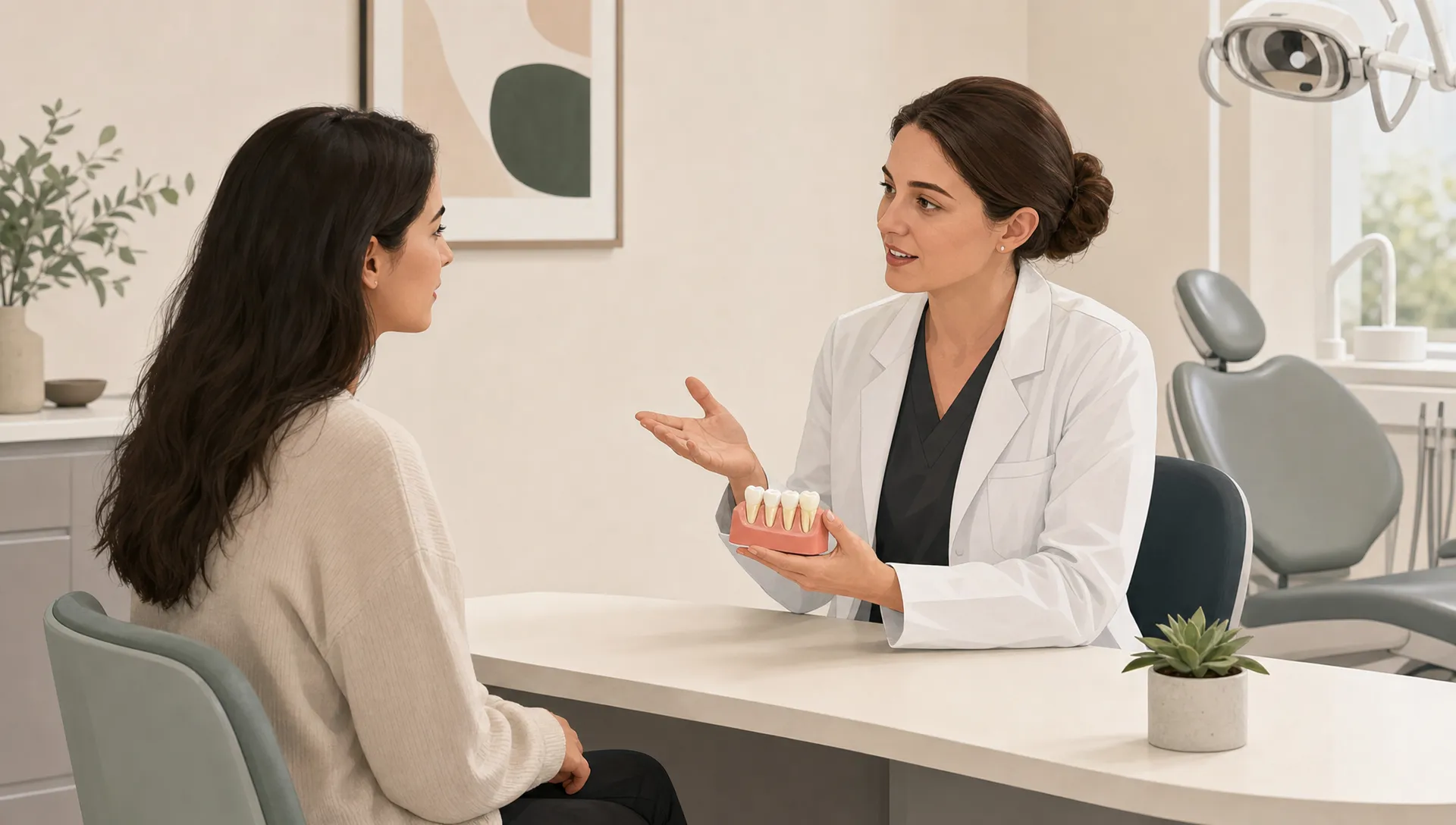
You do not need to apologise for feeling nervous. It can help to tell the team what makes dental visits difficult for you. Some people prefer a clear explanation before anything happens. Others prefer less detail and a signal they can use to pause. Your dentist can discuss what may make the appointment feel more manageable, depending on the reason for your anxiety and the type of care needed.
It is also reasonable to book an initial consultation to talk through concerns before committing to non-urgent treatment. This can be particularly helpful if you have not seen a dentist for several years.
First visits for children and families
A child’s first visit is usually focused on becoming familiar with the dental environment, checking oral development and giving parents practical guidance. The approach may vary depending on the child’s age, comfort level and whether there is a specific concern such as toothache, trauma, crowding, thumb sucking or decay risk.
Parents and carers can help by keeping the conversation simple and positive, without promising what will or will not happen. Instead of saying “it will not hurt”, you might say, “The dentist will count your teeth and explain what they are doing.” This avoids creating expectations that may not match the appointment.
Some children may be eligible for care under the Child Dental Benefits Schedule. Integrated Dental Care provides bulk-billed kids dental options for eligible children, and you can read more about bulk-billed children’s dental care in Pakenham before booking.
First visits for cosmetic, implant or orthodontic concerns
If your first visit is about your smile, missing teeth, tooth colour, worn teeth or alignment, the appointment will usually begin with a health assessment. Cosmetic and restorative treatment planning should consider gum health, decay risk, bite, tooth structure and your overall oral health before discussing appearance.
For cosmetic dentistry, your dentist may discuss options such as whitening, bonding, veneers or crowns, depending on your needs. These treatments are not suitable for every patient and results vary. It is also possible that preventive or restorative care may be recommended before cosmetic treatment is considered.
For missing teeth, your dentist may assess whether options such as dentures, bridges or dental implants could be considered. Implant suitability depends on factors such as bone volume, gum health, medical history, smoking status and maintenance habits. Some patients may need further imaging or referral before a final plan can be made.
For orthodontic concerns, including Invisalign treatment, your dentist may assess your bite, crowding, spacing and gum health. Clear aligners may be suitable for some patients but not all orthodontic concerns. A proper assessment is needed before treatment options can be discussed.
When a first visit should be booked as an emergency
Some dental problems are better assessed promptly rather than waiting for a routine check-up. If you have severe toothache, facial swelling, a knocked-out adult tooth, dental trauma, uncontrolled bleeding or signs of infection such as fever with swelling, contact a dental clinic as soon as practical for advice.
If you have difficulty breathing or swallowing, or swelling that is rapidly worsening, seek urgent medical care through emergency services or a hospital emergency department.
When booking, describe your symptoms clearly so the team can guide you on the type of appointment that may be appropriate. Integrated Dental Care offers emergency appointments, but availability and timing can vary, so early contact helps the clinic understand your situation.
Choosing a dental clinic in Pakenham or beyond
For many people in Pakenham, Officer, Beaconsfield, Nar Nar Goon, Koo Wee Rup and the wider Cardinia Shire, choosing a dental clinic comes down to communication, trust, access and whether the services match their needs.
A good first visit should leave you with a clearer understanding of your oral health and any reasonable options, not pressure to make a decision before you are ready. You can ask about the dentist’s findings, why treatment is being recommended, what alternatives exist and what costs may apply.
These principles apply wherever you are looking for care. If you are helping family compare clinics outside Victoria, such as a Sunshine Coast practice like Bright Smiles Dentistry, it is still worth looking for clear explanations, appropriate consent, transparent fee information and services that match the person’s needs.
Frequently Asked Questions
How long does a first dental visit usually take? The length depends on the appointment type, your concerns and whether X-rays, a clean or treatment planning are needed. When booking, ask how much time has been allocated and whether the visit is mainly for assessment, cleaning, urgent care or consultation.
Will I need X-rays at my first appointment? Not always. Your dentist may recommend X-rays if they need more information to assess decay, infection, bone levels, wisdom teeth or previous dental work. You can ask why imaging is being recommended before agreeing.
Can I have a clean at my first visit? Sometimes, but it depends on the booking type and what your dentist finds. If you have an urgent problem, complex gum concerns or need a detailed treatment plan, cleaning may be scheduled separately.
What if I have not seen a dentist for years? You can still book an appointment. Your dentist can assess your current oral health and explain findings without assuming you already understand dental terms. If treatment is recommended, you can discuss priorities, timing and costs.
Can I bring my child to Integrated Dental Care for a first visit? Yes, children can attend for dental checks and advice. If your child may be eligible for bulk-billed care under government dental benefits, bring their Medicare details and ask the clinic to confirm eligibility and current arrangements.
Will I be told the cost before treatment starts? For planned treatment, you should receive information about expected fees, item numbers where relevant and possible alternatives before deciding. Urgent situations can be different if immediate care is needed, but you can still ask questions about costs and options.
Ready to arrange your first appointment?
A first dental visit is an opportunity to understand what is happening in your mouth and what options may be appropriate for your circumstances. Whether you need a routine check-up, advice about a dental concern or a discussion about cosmetic or restorative options, a dental examination can help guide the next step.
To discuss your concerns, you can book an appointment with the team at Integrated Dental Care in Pakenham. Your dentist can assess your oral health and explain the potential benefits, risks, limitations and alternatives before any treatment is planned.
Disclaimer
The information provided on this website is for general informational and educational purposes only. It is not intended to replace professional dental advice, diagnosis or treatment. Dental needs and treatment outcomes vary between individuals. Always seek advice from a qualified dental practitioner regarding your specific circumstances before making decisions about your oral health or treatment. A consultation and clinical assessment are required to determine which treatment options may be suitable for you. All dental procedures carry potential risks and benefits, which will be discussed with you before treatment.