How to Plan Affordable Family Dental Care
7 October 2026 | Dental Fees & Financing, General Dentistry, Preventative Dentistry
Planning affordable family dental care is less about finding the cheapest appointment and more about making sensible decisions early. For many families in Pakenham and Melbourne’s south east, the goal is to keep oral health on track without surprise costs, rushed decisions or treatment that may not be necessary.
A useful plan starts with understanding what each person in your household may need, what can be scheduled ahead, what should be assessed promptly and what support options may be available. This does not replace a dental examination, but it can help you ask clearer questions and make more informed choices when you visit a dentist.
Affordable family dental care starts with a clear plan
A family dental plan does not need to be complicated. It can be as simple as listing each person in the household, when they last had a dental check-up, any known concerns and upcoming life stages that may affect oral health, such as orthodontic discussions for a teenager or gum health monitoring for an adult.
The benefit of planning is that you are not trying to solve every dental issue at once. Your dentist can help identify which matters are preventive, which are being monitored and which may need treatment sooner. This makes affordable family dental care easier to manage because decisions are based on priority rather than pressure.
| Family member | Planning focus | Useful questions to ask |
|---|---|---|
| Young children | Tooth development, brushing habits, diet advice, eligibility for children’s dental support | Are their teeth developing as expected? Is fluoride toothpaste appropriate for their age? |
| Teenagers | Orthodontic checks, sports mouthguards, wisdom tooth monitoring | Is any orthodontic assessment needed? Should we consider a custom-fitted mouthguard? |
| Adults | Gum health, fillings, worn teeth, preventive cleans | What should be treated now and what can be monitored? |
| Older adults | Existing dental work, dry mouth, gum health, missing teeth options | Are there changes that may affect chewing, comfort or cleaning? |
If you are unsure where to start, a general check-up can provide a baseline. From there, your dentist can explain what they have found, discuss suitable options and outline likely costs before treatment begins.
Know what is essential, optional or time sensitive
One of the most practical ways to control dental costs is to understand the difference between necessary care, elective care and urgent assessment. Not every dental concern has the same level of priority.
Preventive care may include check-ups, cleans, fluoride advice, fissure sealants for suitable children and home care guidance. Restorative care may include fillings, crowns or replacement options for missing teeth, depending on the condition of the tooth and the person’s needs. Cosmetic treatments, such as whitening or veneers, are usually elective and should be considered only after oral health has been assessed.
Some symptoms should not be ignored. Dental pain, facial swelling, a knocked tooth, bleeding that does not settle, a broken tooth causing discomfort or signs of infection may require prompt professional assessment. This is not about creating panic, but about recognising that delaying assessment can sometimes make care more complex.
For a broader overview of what a family clinic may provide, Integrated Dental Care has a helpful guide on what family dental services may include. It can be useful if you are trying to understand which services relate to your household’s needs.
Use check-ups to avoid making decisions in a hurry
Routine check-ups can support affordable family dental care by giving your dentist a chance to identify small concerns before they become more uncomfortable or harder to manage. A check-up may include an examination of the teeth, gums, bite and soft tissues of the mouth. Dental x-rays may be suggested when they are clinically appropriate, such as when a dentist needs to check areas that cannot be seen directly.
The timing of check-ups is not the same for everyone. Some people need more frequent reviews due to gum disease risk, high decay risk, medical conditions, orthodontic treatment or ongoing dental work. Others may be suitable for longer intervals. Your dentist can recommend a review schedule based on your individual circumstances.
If your household has not had a check-up for a while, you may find Integrated Dental Care’s article on reasons to book your family in for a check-up useful. It explains why preventive visits can be valuable without assuming that every person needs the same care.
Budget for dental care across the year
Dental costs are often easier to manage when they are treated as a planned household expense rather than an occasional emergency cost. This might mean setting aside a small amount each month, checking your private health insurance extras limits or asking for an estimate before booking non-urgent treatment.
Many families already plan for school supplies, sport, car servicing and home purchases, including optional upgrades such as customised pendant lights from BUYnBLUE. Putting dental care into its own budget category can make it easier to separate essential health expenses from discretionary spending.
A practical affordable family dental care budget should include routine visits, possible x-rays, preventive cleans and a buffer for unexpected dental concerns. If a dentist recommends treatment, ask for a written estimate where possible and clarify whether there are different suitable options.
| Cost area | Why it matters | Planning tip |
|---|---|---|
| Check-ups and cleans | Helps monitor teeth, gums and existing dental work | Ask how often each family member should attend based on risk |
| Children’s dental care | Some eligible children may receive support through the Child Dental Benefits Schedule | Check eligibility and current limits through Services Australia or ask the clinic what information is needed |
| Emergency appointments | Tooth pain or injury can occur unexpectedly | Keep a small dental buffer if your budget allows |
| Restorative treatment | Fillings, crowns or extractions vary in complexity | Ask what is included in the estimate and whether alternatives are suitable |
| Cosmetic treatment | Usually elective and not urgent | Consider timing, oral health needs and total costs before proceeding |
Private health insurance can also affect out-of-pocket costs, but policies vary. Check waiting periods, annual limits, preferred provider arrangements and what item numbers are covered. If you have extras cover, your insurer is usually the best source for confirming benefits before treatment.
Ask about payment options before treatment begins
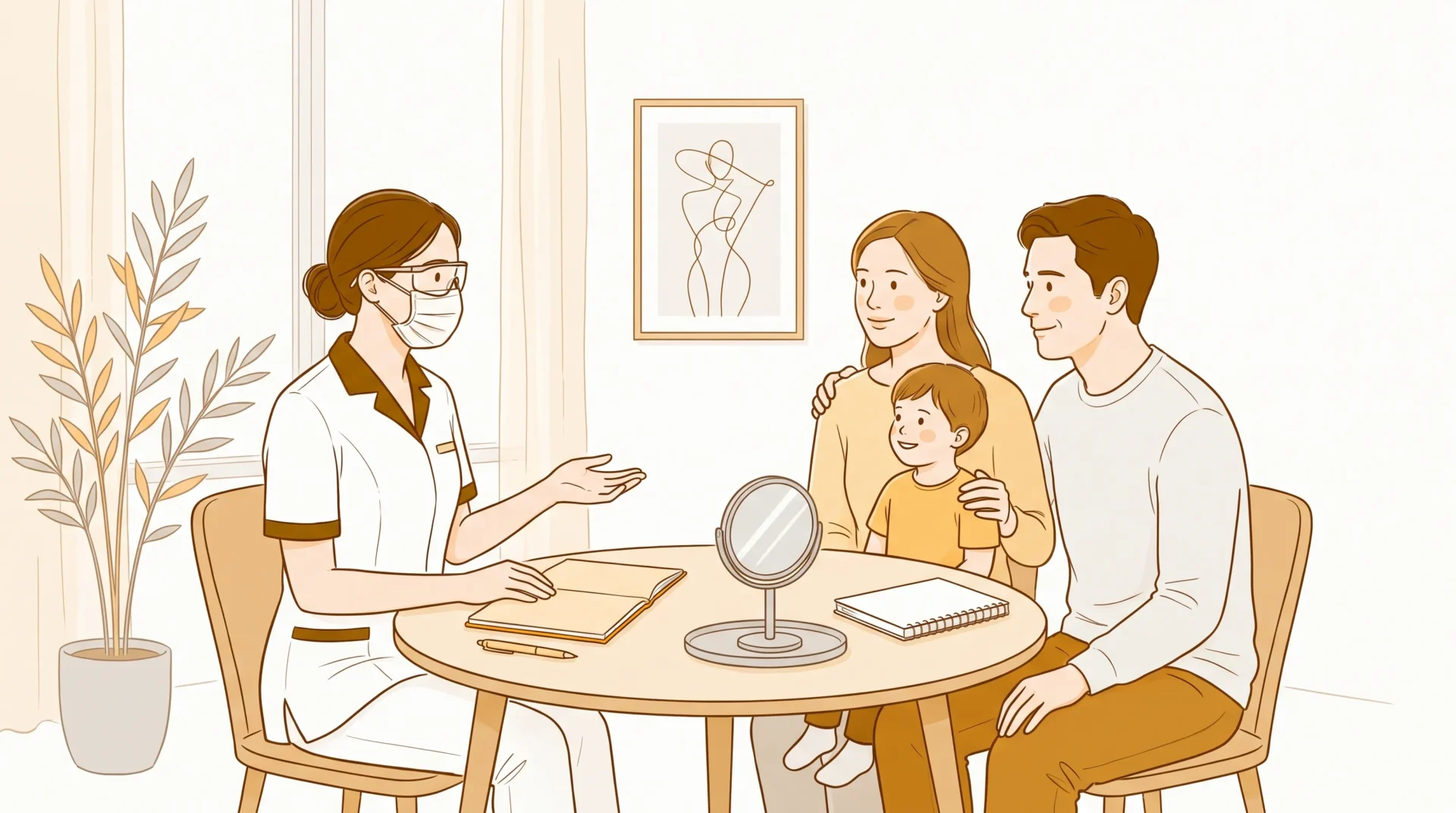
If treatment is recommended, ask about costs before deciding whether to proceed. This gives you time to understand the proposed care, compare options and consider whether payment arrangements may be appropriate. Integrated Dental Care offers payment plan options, and families can ask what may be available for their situation.
Payment plans can help some patients spread treatment costs, but they are still financial commitments. Before applying, check the total amount payable, repayment schedule, fees, approval requirements and what happens if your circumstances change. A dental team can explain the treatment estimate, but you may also wish to seek independent financial advice if the commitment is significant.
If you are considering this option, the clinic’s guide to how dental payment plans work before you apply explains the usual steps in plain language. Used carefully, payment planning can support affordable family dental care without rushing a decision.
Compare value, not just the lowest advertised fee
A low advertised dental fee can be appealing, especially for a family, but it is worth checking what is actually included. The lowest fee is not always the most suitable choice if it excludes x-rays that may be needed, follow-up care, itemised estimates or a proper explanation of options.
When comparing dental care, ask whether the dentist has explained the diagnosis, the proposed treatment, alternatives, likely costs, possible risks and what may happen if no treatment is chosen. For significant treatment, it is reasonable to ask for time to consider your options or seek another opinion.
Balanced affordable family dental care looks at both cost and clinical appropriateness. A treatment that is unnecessary, poorly timed or not suited to your oral health may not be good value, even if it appears cheaper at first. On the other hand, a more involved treatment should still be explained clearly so you can understand why it has been suggested.
For more detail on this topic, Integrated Dental Care has a patient-friendly article on how to compare a cheap dentist without cutting corners on care.
Reduce preventable costs with everyday habits
Daily home care is one of the simplest ways to reduce the risk of preventable dental problems. It does not remove the need for professional care, but it can lower the chance of decay and gum inflammation in many people.
Most families benefit from a consistent routine that includes brushing twice daily with fluoride toothpaste, cleaning between teeth where appropriate, drinking tap water when suitable and limiting frequent sugary snacks or drinks. Children may need help brushing until they develop the coordination to clean effectively. Your dentist can give advice based on age, risk level and any dental conditions.
Other protective habits may also be worth discussing. A custom-fitted mouthguard may be suitable for people who play contact sport. If someone in the family grinds their teeth, has dry mouth or has difficulty cleaning around braces, dentures or dental implants, a dentist can suggest strategies matched to their needs.
Plan cosmetic and orthodontic care carefully
Cosmetic and orthodontic treatments can be part of a family’s dental planning, but they should be considered thoughtfully. Teeth whitening, veneers, Invisalign treatment or other orthodontic options may not be suitable for every person. Oral health, tooth structure, gum health, bite, age, medical history and expectations all matter.
A dentist should assess the mouth first and explain the potential benefits, limitations, risks, maintenance needs and alternatives. For example, whitening may not change the colour of fillings, crowns or veneers. Aligners may require consistent wear and may not be suitable for all orthodontic concerns. Veneers may involve changes to the tooth surface and require future maintenance or replacement.
Including elective care in an affordable family dental care plan can be sensible, as long as essential dental health needs are prioritised first. If a treatment is mainly cosmetic, it is usually reasonable to take time to consider timing and cost.
Local planning for families in Pakenham and nearby suburbs
For families in Pakenham, Officer, Beaconsfield, Nar Nar Goon, Koo Wee Rup, Cardinia and surrounding parts of the Cardinia Shire, choosing a nearby clinic can make routine care easier to attend. Location matters when you are coordinating school, work, sport and appointments for multiple people.
Integrated Dental Care provides general, cosmetic and emergency dental services in Pakenham. Patients can book online, ask about payment plans and discuss children’s dental options, including bulk-billed kids dental where eligibility applies. Any recommendation should still be based on a clinical assessment and your individual circumstances.
If you are planning dental care for several family members, consider booking initial assessments before committing to larger treatment decisions. This allows the dental team to explain what is urgent, what can be monitored and what options may be available over time.
Frequently Asked Questions
How often should my family see a dentist? The right interval varies. Some people benefit from six-monthly visits, while others may be advised to attend more or less often depending on decay risk, gum health, medical history, age and existing dental work. Your dentist can recommend a suitable review schedule after an examination.
Can children’s dental treatment be bulk-billed? Some eligible children can access dental support through the Child Dental Benefits Schedule. Eligibility, covered services and limits can change, so it is best to check current information through Services Australia or ask the dental clinic what details are needed before the appointment.
What if we cannot afford all recommended treatment at once? Ask your dentist which treatment is most time sensitive, which options may be suitable and whether treatment can be staged safely. In some cases, monitoring or temporary care may be appropriate, but this depends on the diagnosis and the risks of delaying treatment.
Is the cheapest dentist always the most affordable option? Not necessarily. A low fee may not include everything needed for safe and appropriate care. True affordability includes clear estimates, suitable treatment options, preventive planning, follow-up requirements and an explanation of risks and alternatives.
Can affordable family dental care include cosmetic treatment? It can, but cosmetic treatment is usually elective and should be considered after oral health has been assessed. Suitability, costs, maintenance and expected outcomes vary between patients, so a dentist should explain the options before you decide.
Planning your next family dental visit
A dental examination can help identify each family member’s needs and clarify which options may be appropriate. If you are trying to plan costs, ask for itemised estimates, discuss timing and check whether children’s dental support, payment plans or private health insurance benefits may apply.
To discuss your family’s dental care in Pakenham, you can book an appointment with Integrated Dental Care. Your dentist can assess oral health, explain possible benefits and risks and help you make a plan that suits your circumstances.
Disclaimer
The information provided on this website is for general informational and educational purposes only. It is not intended to replace professional dental advice, diagnosis or treatment. Dental needs and treatment outcomes vary between individuals. Always seek advice from a qualified dental practitioner regarding your specific circumstances before making decisions about your oral health or treatment. A consultation and clinical assessment are required to determine which treatment options may be suitable for you. All dental procedures carry potential risks and benefits, which will be discussed with you before treatment.