What General Family Dentistry Can Include
7 October 2026 | Children's Dentistry, General Dentistry, Preventative Dentistry
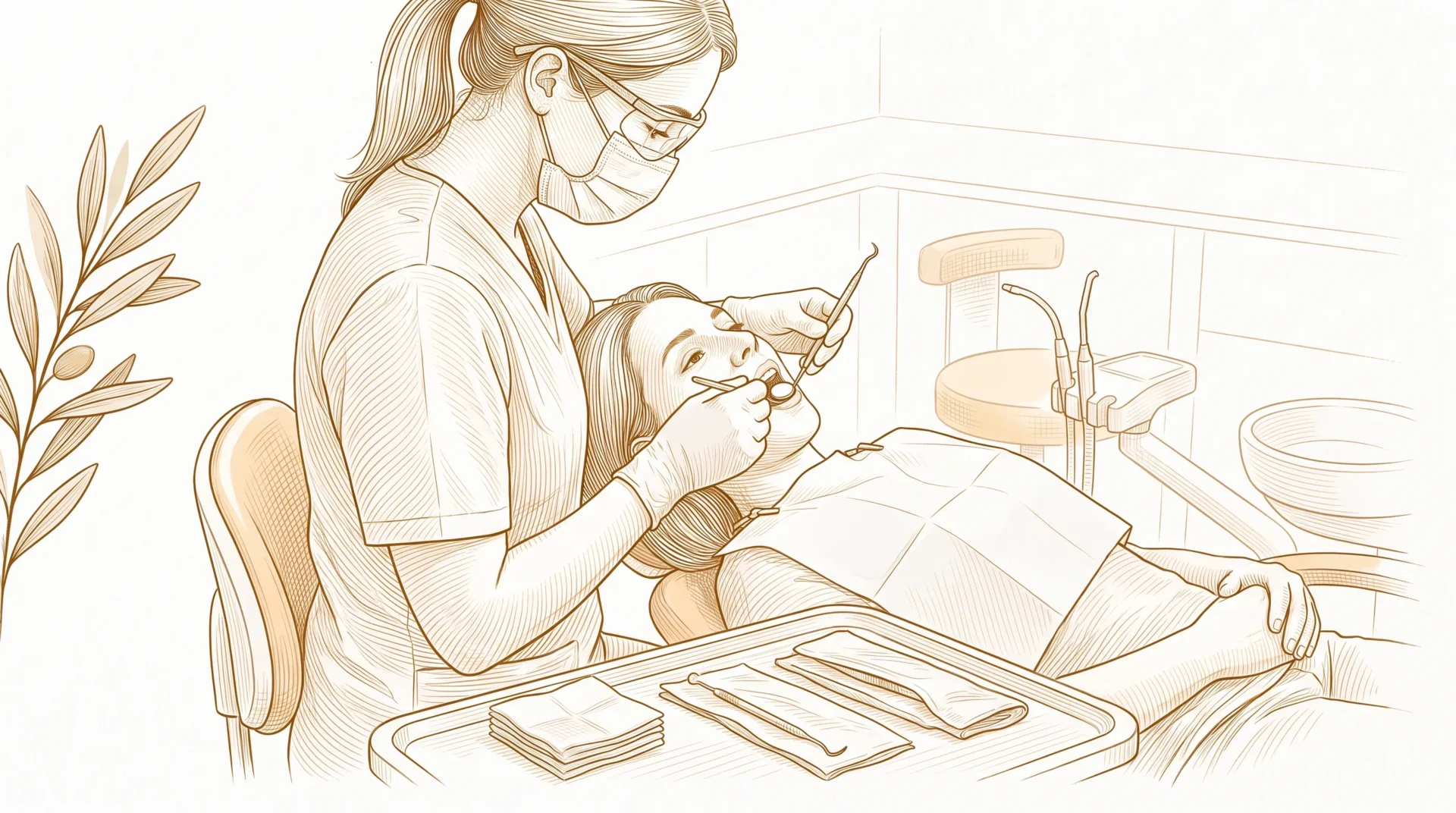
If you are looking after teeth for yourself, your children or an older family member, general family dentistry can include much more than a quick look in the mouth. It may involve preventive care, check-ups, dental cleans, advice for children, fillings, toothache assessment, gum checks and conversations about longer-term options when needed.
The aim is not to push every person into the same treatment plan. A family dental visit should help identify what is happening, explain suitable options and support decisions that fit the person’s age, oral health, medical history and preferences.
For families in Pakenham, Officer, Beaconsfield, Nar Nar Goon, Koo Wee Rup and the wider Cardinia Shire, having a local dental clinic that can manage different ages and concerns may make routine care easier to organise.
What general family dentistry may include
The exact services involved depend on the clinic and the patient’s needs, but most family dental care is built around prevention, early assessment and practical treatment planning. This can be helpful when several family members have different concerns, such as a child’s first dental visit, an adult’s chipped filling or a grandparent’s denture discomfort.
| Area of care | What it may involve | Why it may be discussed |
|---|---|---|
| Preventive care | Examinations, cleans, fluoride advice, home-care guidance | To help reduce the risk of decay and gum disease |
| Children’s dentistry | Growth checks, brushing advice, fissure sealants when suitable | To support oral habits and monitor development |
| Restorative care | Fillings, crowns, assessment of damaged teeth | To repair or protect teeth where appropriate |
| Gum care | Gum measurements, cleaning advice, periodontal review | To assess bleeding, inflammation or bone support |
| Urgent dental care | Toothache, swelling, broken teeth, lost fillings | To assess symptoms and discuss timely treatment options |
| Planning discussions | Orthodontics, implants, whitening or cosmetic options | To consider suitability after oral health is assessed |
For many households, general family dentistry is less about one specific procedure and more about having a regular place to ask questions, track changes and receive care that is appropriate for each stage of life.
Preventive visits for adults and children
Dental check-ups and cleans
A dental check-up usually includes a discussion about your concerns, medical history, medications and any changes you have noticed. Your dentist may examine your teeth, gums, bite, soft tissues and existing dental work. Dental X-rays may be recommended if they are needed to check areas that cannot be seen directly, such as between teeth or around tooth roots.
A professional clean may be suggested to remove plaque and calculus, which is hardened plaque that cannot be brushed away at home. Your dentist or oral health professional may also discuss brushing technique, flossing or interdental brushes and dietary factors that can affect tooth decay risk.
The right recall interval varies. Some people are advised to attend regularly because of gum disease, high decay risk or complex dental work. Others may need a different schedule based on their oral health. The Australian Dental Association’s patient website, Teeth.org.au, provides general oral health information, but individual advice should come from a dentist who has examined your mouth.
Children’s dentistry and early habits
Children’s dental visits often focus on making the appointment calm, simple and age appropriate. The dentist may check tooth eruption, enamel, bite development, brushing, diet and habits such as thumb sucking or mouth breathing.
For children, general family dentistry may also include fissure sealants when suitable. These are thin protective coatings placed in the grooves of back teeth to help reduce food and plaque trapping. They are not needed for every child, and suitability depends on the shape of the tooth, decay risk and cooperation during treatment.
Eligible children may be able to access support through the Australian Government’s Child Dental Benefits Schedule. Integrated Dental Care also offers bulk-billed kids dental options, and the team can confirm eligibility and what may be covered before treatment proceeds.
For more age-specific home care guidance, you may find Integrated Dental Care’s article on family dental care tips for every stage of life useful.
Restorative and urgent dental care
Fillings, damaged teeth and worn dental work
Restorative dentistry is the part of care that deals with repairing teeth or replacing damaged dental work. This may include fillings for decay, repairs to chipped teeth, replacement of old fillings or crowns when a tooth needs more protection.
A dentist will usually assess how much tooth structure remains, whether the nerve inside the tooth appears healthy, how the tooth meets the opposing teeth and whether there are signs of cracks or infection. More than one option may be available, and each option can have different costs, timeframes, benefits and limitations.
When a tooth is damaged, general family dentistry can help determine whether a simple repair may be suitable or whether further treatment, such as root canal treatment, extraction or referral, should be discussed. No article can determine which option is right for a specific tooth without an examination and appropriate diagnostic information.
Toothache, swelling and dental emergencies
Dental emergencies can vary from a lost filling to severe toothache, facial swelling or a knocked tooth. Some symptoms need prompt professional assessment, particularly swelling, fever, difficulty swallowing, trauma or pain that is worsening.
The table below gives general guidance only. It is not a diagnosis.
| Symptom or situation | Why assessment may be needed |
|---|---|
| Ongoing toothache | May relate to decay, cracks, gum infection or nerve inflammation |
| Swelling in the gum or face | May indicate infection and should be assessed promptly |
| Broken tooth or lost filling | May expose sensitive tooth structure or affect chewing |
| Bleeding gums | May relate to gum inflammation, brushing technique or periodontal disease |
| Knocked adult tooth | Time-sensitive dental advice is important |
Integrated Dental Care offers emergency appointments in Pakenham, subject to availability. If symptoms are severe or involve swelling that affects breathing or swallowing, medical emergency care may be needed.
Cosmetic, orthodontic and longer-term options within a family clinic
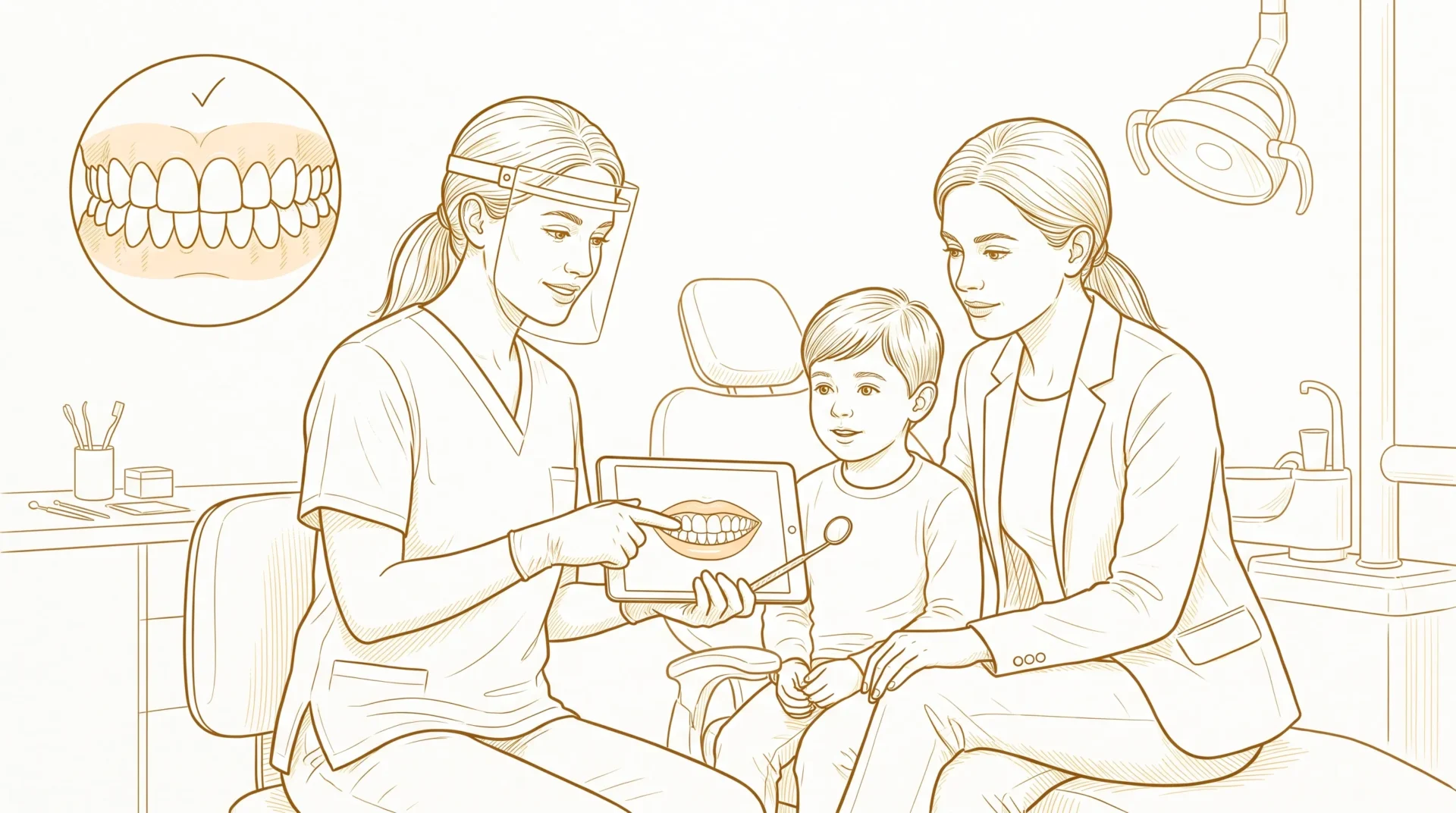
Some families prefer to discuss general, cosmetic and orthodontic concerns in one clinic because oral health and appearance-related decisions often overlap. For example, a person interested in teeth whitening may first need a check for decay, gum inflammation, enamel wear or sensitivity. Someone considering clear aligner treatment such as Invisalign may need an assessment of gum health, bite, crowding and whether other treatment options should be considered.
This is where general family dentistry can act as a starting point. A dentist can assess whether the teeth and gums are healthy enough to consider cosmetic or orthodontic care, explain possible limitations and discuss alternatives. Treatment outcomes vary between patients, and suitability depends on factors such as oral health, anatomy, habits, medical history and treatment goals.
Dental implants, crowns, veneers, whitening and orthodontic treatment are not general solutions for everyone. They may be considered only after a clinical examination and discussion of risks, maintenance needs, costs and expected timeframes. In some cases, no treatment or a simpler option may be appropriate.
If you want a broader look at how oral health and appearance-related treatment can overlap, Integrated Dental Care has a helpful article on when general and cosmetic dentistry may be considered.
What a family dental appointment may involve
A first or returning family appointment usually starts with a conversation. Your dentist may ask about pain, sensitivity, bleeding gums, grinding, snoring, diet, previous dental experiences, medical conditions and medicines. This information matters because oral health is connected with many general health factors.
The examination may include checking the teeth, gums, jaw joints, bite and soft tissues inside the mouth. X-rays, photographs or scans may be suggested when they are clinically useful. You should be told why any diagnostic step is recommended and whether there are alternatives.
After the assessment, your dentist can explain what they found in plain language. If treatment is recommended, you can ask about the reason for treatment, expected appointment length, likely maintenance, possible risks, fees and whether there are staged options. You do not need to decide on elective treatment immediately.
A helpful way to think about general family dentistry is that it should give you enough information to make informed choices, not pressure you into treatment. This is especially important when caring for children, older adults or family members with anxiety, disability, complex medical history or previous difficult dental experiences.
Planning dental care around family life in Pakenham
Busy families often delay dental visits because school, work, sport and caring responsibilities compete for time. It can be useful to group routine check-ups during school holidays or align appointments with other planned health visits, provided there are no urgent symptoms that need earlier attention.
Some adults also plan dental reviews before travel, weddings or other major events because they do not want a known tooth problem becoming uncomfortable at an inconvenient time. For example, if dental care is one item on a wider wedding checklist, alongside venue planning or bridal fashion appointments, it is sensible to allow enough time for assessment rather than booking a routine review immediately before the event.
For local households, general family dentistry may also be easier to manage when appointments, treatment plans and payment discussions are clear from the beginning. Integrated Dental Care offers online booking and interest-free payment plans, and these administrative options may help some families plan care in a way that suits their circumstances.
If you are comparing public, private, children’s and emergency dental pathways, Integrated Dental Care’s guide to understanding your dental care options in Australia explains the main categories in patient-friendly language.
How to decide whether a dental visit is needed
Not every dental concern is urgent, and not every change means treatment will be required. Still, some signs are worth discussing with a dentist because they can have several possible causes.
Consider arranging an assessment if you notice persistent tooth sensitivity, pain when biting, bleeding gums, loose teeth, mouth ulcers that do not heal, a broken filling, swelling, jaw discomfort or changes in how your teeth meet. Children may need an assessment if they report pain, avoid chewing on one side, have visible holes or marks on teeth or experience dental trauma.
At Integrated Dental Care, general family dentistry may include general check-ups, children’s dentistry, emergency appointments, cosmetic discussions, dental implants, Invisalign and teeth whitening, depending on clinical suitability. The right starting point is usually an examination, because a dentist can assess the cause of symptoms and explain whether treatment, monitoring or referral may be appropriate.
Frequently Asked Questions
How often should my family have dental check-ups? The right interval varies between patients. Some people benefit from more frequent reviews because of gum disease, decay risk, medical factors or complex dental work, while others may be advised differently after an examination.
Can children and adults attend the same dental clinic? Yes, many clinics provide care for different age groups. This may make it easier for families to organise appointments, maintain records and discuss age-specific concerns in one place.
Does general family dentistry include cosmetic treatment? It can include discussions about cosmetic options, but oral health is usually assessed first. Whitening, veneers, crowns or aligners may not be suitable for every person, and your dentist should explain potential benefits, risks and alternatives.
What if someone in my family is nervous about dental treatment? Let the clinic know when booking. Your dentist can discuss concerns, explain what will happen and consider ways to make the appointment more manageable. Suitability for any anxiety management option depends on the person’s health, treatment needs and circumstances.
When should toothache be assessed urgently? Toothache should be assessed promptly if it is severe, worsening, linked with swelling, associated with fever or affecting eating, sleeping or daily activities. Facial swelling, difficulty swallowing or breathing concerns may require emergency medical care.
Considering a family dental visit in Pakenham?
A dental examination can help determine the cause of symptoms and which options may be appropriate for each person in your family. To discuss routine care, toothache, children’s dental needs or longer-term treatment planning, you can book an appointment with the team at Integrated Dental Care in Pakenham.
Your dentist can assess your oral health, explain the potential benefits, risks and alternatives and help you decide what feels appropriate for your circumstances.
Disclaimer
The information provided on this website is for general informational and educational purposes only. It is not intended to replace professional dental advice, diagnosis or treatment. Dental needs and treatment outcomes vary between individuals. Always seek advice from a qualified dental practitioner regarding your specific circumstances before making decisions about your oral health or treatment. A consultation and clinical assessment are required to determine which treatment options may be suitable for you. All dental procedures carry potential risks and benefits, which will be discussed with you before treatment.