Understanding Your Dental Care Options in Australia
13 August 2026 | Children's Dentistry, General Dentistry, Preventative Dentistry
Australia has a strong dental workforce, but choosing the right pathway can feel confusing. Medicare, private health insurance, public dental clinics, children’s benefits, payment plans and cosmetic treatment all work differently. If you are comparing dental care options in Australia, the key is understanding what each option is designed to do, what it may cost, and when you should seek help urgently.
This guide breaks down the main choices so you can make informed decisions for yourself or your family, whether you are booking a routine check-up, managing tooth pain, considering braces or replacing a missing tooth.
How dental care works in Australia
Dental care in Australia is mostly provided through private dental clinics, with public dental services available for eligible patients through state and territory systems. Unlike visits to a GP, most adult dental treatment is not routinely covered by Medicare. That means many Australians pay out of pocket, use private health insurance extras, access public dental services if eligible, or spread the cost through a payment plan.
According to the Australian Institute of Health and Welfare, oral health is closely linked to overall health, and dental conditions remain a common reason people delay care because of cost. That is why it is worth understanding your options before a small issue becomes a more complex one.
A useful way to think about dental care is in four categories: preventive, restorative, emergency and elective. Preventive care is the foundation, because regular examinations, cleans and early treatment planning can reduce the risk of painful or expensive problems later.
Public dental care vs private dental care
Public dental clinics play an important role, especially for eligible concession card holders, children and people with urgent needs. However, eligibility rules, waiting times and available services vary between states and territories. In Victoria, for example, public dental services are generally targeted to specific groups, and non-urgent treatment may involve a wait.
Private dental clinics are the main choice for many Australians who want more flexibility with appointment times, provider choice and treatment options. A private clinic can usually provide a broad range of services in one setting, from routine examinations to cosmetic dentistry, dental implants and orthodontic consultations.
Neither pathway is automatically “better” in every situation. The right option depends on your eligibility, urgency, budget, treatment goals and how much choice you want over timing and provider.
| Dental care option | Who it may suit | Typical access pathway | What to check |
|---|---|---|---|
| Public dental services | Eligible adults, children and urgent cases | State or territory public dental clinics | Eligibility, waiting times and service limits |
| Private dental clinics | Patients wanting flexibility and broader options | Direct booking with a clinic | Fees, treatment plan, health fund rebates and payment options |
| Child Dental Benefits Schedule | Eligible children aged 0 to 17 | Dentist that accepts the scheme | Remaining benefit cap and covered services |
| Private health insurance extras | People who want partial rebates for dental | Health fund extras policy | Annual limits, waiting periods and preferred provider rules |
| Dental payment plans | Patients spreading treatment costs | Through participating dental clinics | Fees, eligibility, repayment terms and whether interest applies |
Preventive dental care: the option most people should prioritise
Preventive dentistry includes examinations, professional cleans, X-rays when needed, fluoride treatment, fissure sealants for some children, gum checks and personalised home care advice. It may not feel urgent, but it is often the most cost-effective dental care option because it helps detect decay, gum disease, cracks and bite issues before they worsen.
For many people, a check-up every six months is familiar, but the right interval can vary. Someone with a history of gum disease, high decay risk, dry mouth, braces, diabetes or heavy tooth wear may need more frequent monitoring. Someone with very low risk may be advised differently. Your dentist should recommend a recall interval based on your mouth, not a generic rule.
If you are in the south-east of Melbourne and want to understand what a routine appointment can involve, this overview of general dentistry services in Pakenham explains common treatments such as check-ups, cleans, fillings, root canal treatment and children’s dental visits.
Children’s dental care and the Child Dental Benefits Schedule
Children’s dental care is not only about treating cavities. Early visits help children become comfortable in the dental chair, allow dentists to monitor jaw growth and tooth eruption, and give parents practical advice about brushing, diet, mouthguards and habits such as thumb sucking.
In Australia, some children are eligible for the Child Dental Benefits Schedule, often called CDBS. It provides a capped benefit over two calendar years for basic dental services for eligible children aged 0 to 17. Covered services can include examinations, X-rays, cleaning, fissure sealing, fillings, root canal treatment and extractions, but orthodontic and cosmetic treatment are not covered. Eligibility and caps can change, so it is best to confirm details through Services Australia’s Child Dental Benefits Schedule information or by asking your dental clinic to check before treatment.
For local families, Integrated Dental Care also explains how bulk-billed children’s dental care in Pakenham may work for eligible kids.
Emergency dental care: when to book urgently
Dental emergencies can escalate quickly. Pain, swelling or trauma should not be ignored, especially if symptoms affect eating, sleeping or daily life. An emergency dental appointment is designed to diagnose the problem, relieve pain where possible and plan the next step.
Seek urgent dental advice if you have:
- Facial swelling, gum swelling or a suspected dental abscess
- Severe toothache that does not settle with normal pain relief
- A knocked-out adult tooth, broken tooth or dental trauma
- Bleeding that will not stop after an extraction or injury
- Pain when biting, especially with fever or swelling
- A lost filling, broken crown or denture issue that causes pain or sharp edges
A knocked-out adult tooth is time-sensitive. If this happens, hold the tooth by the crown, avoid scrubbing the root, store it in milk or saliva if it cannot be placed back in the socket, and contact a dentist immediately. Healthdirect provides general guidance on dental injury and toothache, but urgent symptoms should always be assessed by a dental professional.
Restorative dental care: fixing teeth and replacing what is missing
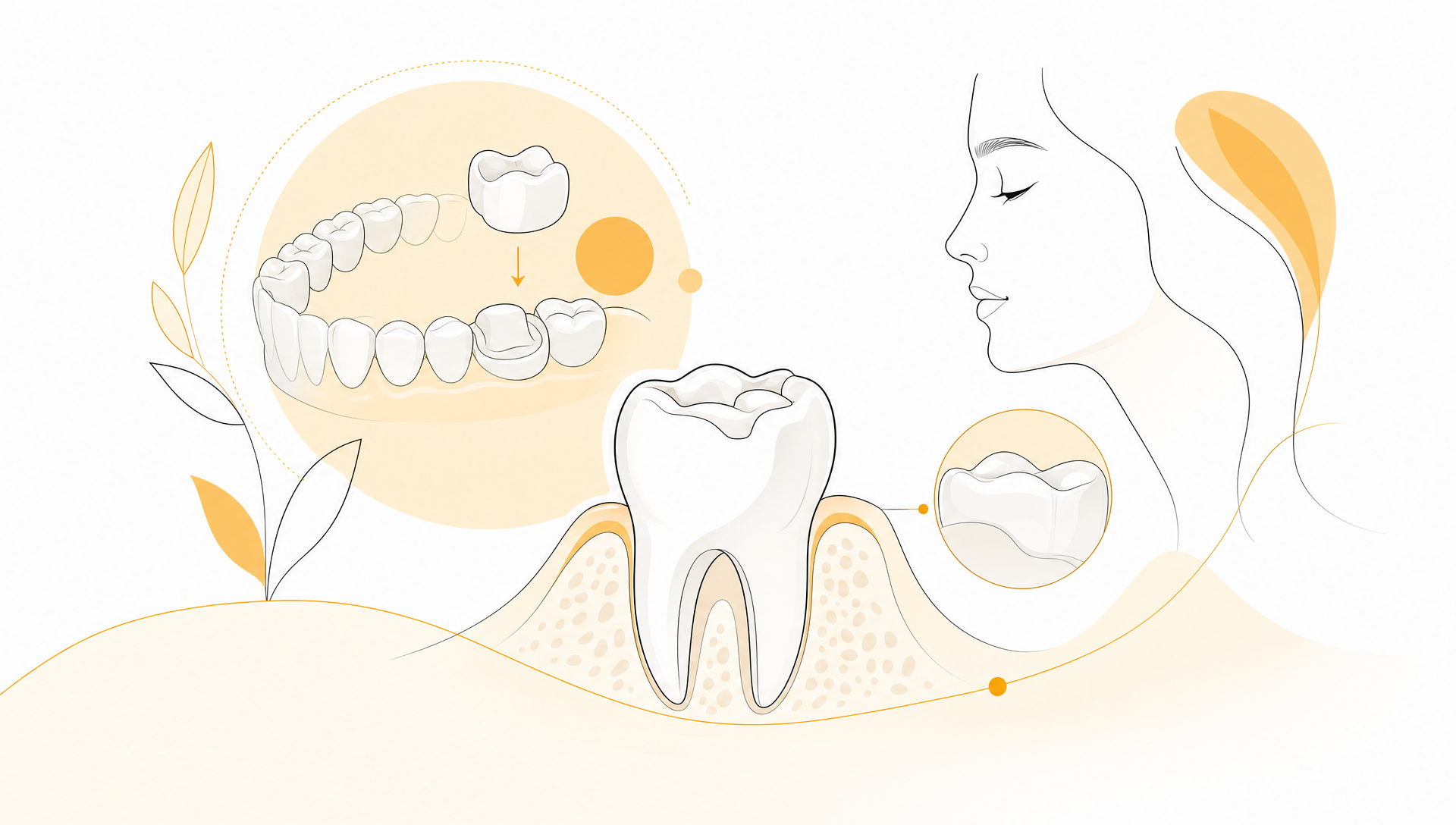
Restorative dentistry focuses on repairing damage, restoring function and protecting long-term oral health. Common options include fillings, crowns, root canal treatment, bridges, dentures and dental implants. The best option depends on how much natural tooth structure remains, the condition of the gums and bone, your bite, medical history and budget.
A small cavity may only need a filling. A heavily cracked tooth may need a crown. An infected tooth may be saved with root canal treatment if the tooth is restorable. A missing tooth may be replaced with a denture, bridge or implant, each with different advantages and limitations.
The most important step is diagnosis. Two patients can have similar symptoms but need very different treatment. For example, tooth pain could come from decay, gum disease, a cracked tooth, sinus pressure, grinding, or an infection at the root. Good dental care should begin with an examination and, where needed, X-rays or other tests before a treatment recommendation is made.
If you are weighing up replacement choices, this guide to the best replacement options for missing teeth compares common pathways and what patients should consider.
Cosmetic and orthodontic dental options
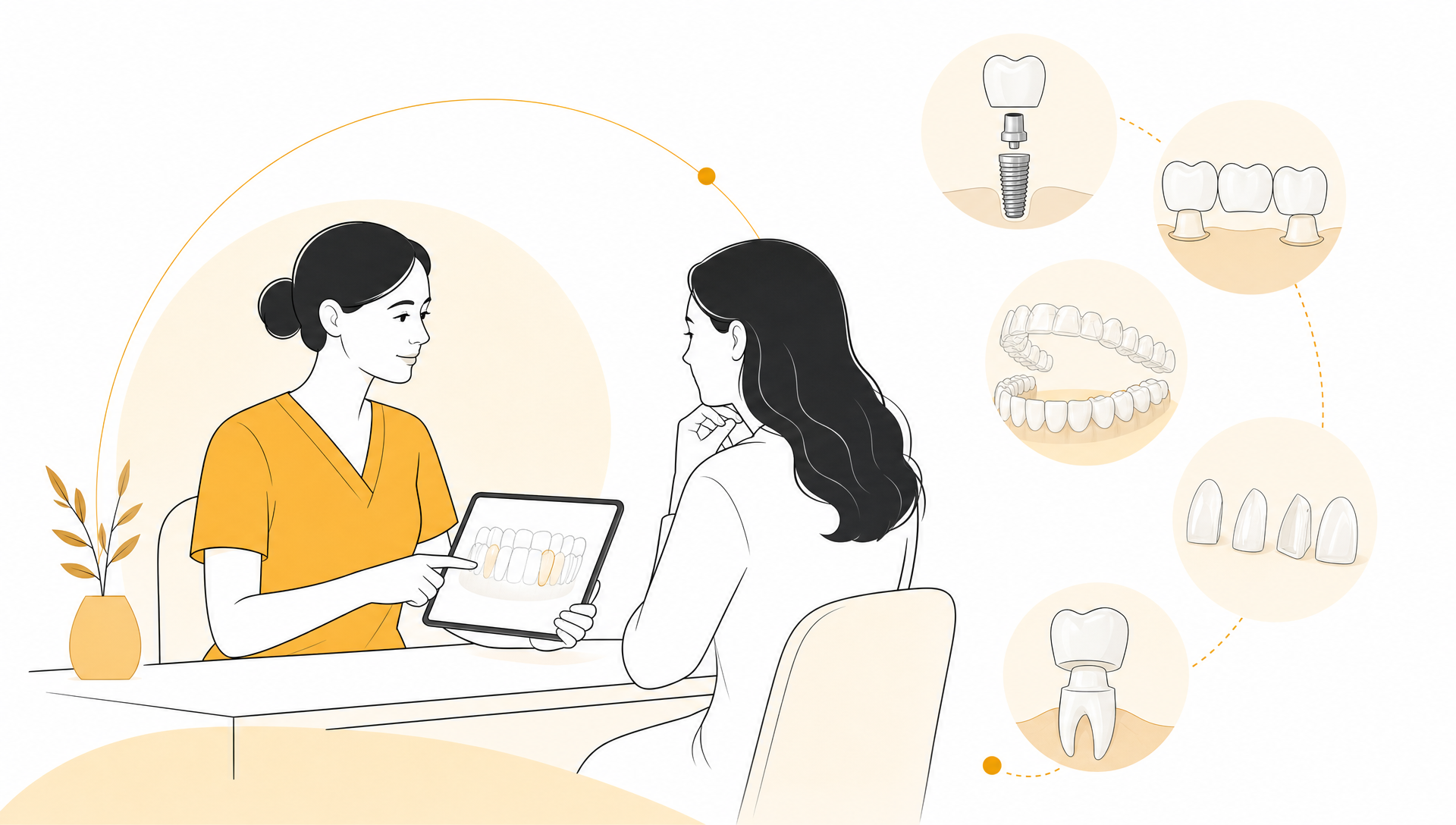
Cosmetic dentistry focuses on improving the appearance of the smile, but good cosmetic care should still protect oral health. Common options in Australia include professional teeth whitening, composite bonding, veneers, crowns, clear aligners and full smile makeover planning.
Orthodontic treatment, including braces and clear aligners, can improve tooth alignment, bite function and smile aesthetics. It may be suitable for teens or adults, but not everyone is a candidate for every system. Gum health, tooth shape, bone support and bite forces all matter.
It is wise to be cautious with cosmetic treatment that promises a fast result without a full assessment. Whitening may not work on all types of staining. Veneers may not be suitable if there is active gum disease or untreated grinding. Aligners may not produce stable results if the bite problem is complex. A reputable dentist should explain benefits, risks, alternatives and maintenance before you decide.
Some patients also prefer dental providers who frame oral health within a broader wellness context. If you are researching different philosophies of care, you may find it helpful to compare how health-centred practices such as Origin Dental Wellness describe holistic dentistry, while remembering that treatment standards, regulations and provider qualifications differ between countries.
Paying for dental care in Australia
Dental fees vary because treatment complexity varies. A simple filling is not comparable to a surgical extraction, implant crown or full orthodontic case. Location, materials, laboratory costs, technology, appointment length and the dentist’s experience can also influence fees.
Before starting non-urgent treatment, ask for a written treatment plan. It should set out the recommended option, alternatives, estimated fees, likely number of appointments and what may happen if you delay care. If you have private health insurance, you can ask your clinic for item numbers so your fund can estimate rebates.
Private health insurance extras can reduce out-of-pocket costs, but it rarely covers everything. Policies commonly have annual limits, sub-limits, waiting periods and different rebate levels for general, major dental and orthodontics. If you are considering treatment mainly because you have health cover, check the clinical need first. Insurance should support care decisions, not drive them.
Payment plans may also help some patients start necessary treatment sooner, particularly when delaying treatment could lead to pain or more extensive dentistry. If you are comparing options, read the terms carefully and understand whether the plan is interest-free, whether fees apply, and what repayments will look like. Integrated Dental Care has a helpful explainer on interest-free dental payment plans for patients who want to understand the basics before committing.
How to choose the right dentist or dental clinic
Choosing a dentist is about more than location, although convenience certainly helps you keep appointments. Look for a clinic that communicates clearly, gives you time to ask questions and explains all reasonable options, including the option of monitoring a minor issue when appropriate.
A good dental experience should feel transparent. You should understand what problem is being treated, why treatment is recommended, what alternatives exist, what risks apply and what maintenance will be needed afterwards. For more complex treatment, photos, X-rays, scans or models can help you visualise the issue and make a more confident decision.
You may want to ask questions such as:
- What are my treatment options, and what are the pros and cons of each?
- Is this treatment urgent, or can it be monitored for now?
- What will happen if I delay treatment?
- How long should the result last, and what maintenance will I need?
- Can I have a written quote or item numbers for my health fund?
- Are payment options available if I need staged treatment?
Trust is especially important for children, anxious patients and people planning major work. A clinic that offers general, cosmetic and emergency care in one place can also make ongoing treatment easier, because your history, X-rays and preferences remain with the same team.
Making dental care fit your stage of life
Your dental needs change over time. Children need prevention, growth monitoring and positive early experiences. Teens may need orthodontic assessment, mouthguards and wisdom tooth monitoring. Adults often need a mix of prevention, restorative care and cosmetic advice. Older adults may need support with worn teeth, gum recession, dry mouth, dentures, implants or medical conditions that affect oral health.
Pregnancy, diabetes, cancer treatment, sleep apnoea, reflux, medications and smoking can all influence oral health. If your medical history changes, tell your dentist. Dental care is safest and most effective when your clinician understands your overall health, medications and risk factors.
The best dental care option is rarely just the cheapest or fastest one. It is the option that solves the right problem, suits your health needs, fits your budget and can be maintained over time.
Frequently asked questions
Does Medicare cover dental care in Australia? Medicare generally does not cover most adult dental treatment. Some public dental programs, hospital-based services and children’s benefits may apply depending on eligibility and location.
What is the cheapest way to access dental care? The most affordable option depends on your circumstances. Eligible patients may access public dental services or the Child Dental Benefits Schedule, while others may use private health insurance extras, preventive care and payment plans to manage costs.
How often should I see a dentist? Many people attend every six months, but the ideal interval depends on your risk of decay, gum disease, tooth wear and other factors. Your dentist can recommend a schedule based on your oral health.
Are cosmetic dental treatments covered by insurance? Cosmetic treatments are often not covered, or only partly covered, by private health insurance. Functional treatments such as crowns or orthodontics may attract rebates depending on your policy, waiting periods and annual limits.
When is tooth pain considered an emergency? Severe pain, swelling, fever, trauma, a knocked-out adult tooth or bleeding that will not stop should be treated as urgent. If you are unsure, call a dental clinic for advice rather than waiting.
Looking for dental care in Pakenham?
If you are comparing dental care options in Australia and want local guidance, Integrated Dental Care offers general, cosmetic and emergency dentistry in Pakenham, including check-ups, children’s dentistry, teeth whitening, dental implants, Invisalign treatment and payment plan options. You can book online or contact the clinic to discuss the most suitable next step for your smile.
Disclaimer
The information provided on this website is for general informational and educational purposes only. It is not intended to replace professional dental advice, diagnosis or treatment. Dental needs and treatment outcomes vary between individuals. Always seek advice from a qualified dental practitioner regarding your specific circumstances before making decisions about your oral health or treatment. A consultation and clinical assessment are required to determine which treatment options may be suitable for you. All dental procedures carry potential risks and benefits, which will be discussed with you before treatment.