

What to Look For in a Cosmetic Dental Clinic
10 September 2026 | Cosmetic Dentistry, Dental Fees & Financing, General Dentistry
If you are comparing a cosmetic dental clinic, the most useful thing to look for is not a single treatment or a dramatic result. Look for a clinic that checks your oral health first, explains your options clearly and helps you make a decision that suits your teeth, gums, budget and personal goals.
Cosmetic dentistry can involve simple changes, such as teeth whitening or bonding, through to more involved care such as veneers, crowns, orthodontic treatment or dental implants. Because each option has different benefits, limitations, costs and risks, a proper assessment matters.
For people in Pakenham, Officer, Beaconsfield, Nar Nar Goon, Koo Wee Rup and the wider Cardinia Shire, choosing locally can also make follow-up visits and ongoing maintenance more practical.
Why choosing a cosmetic dental clinic is different
A cosmetic dental clinic should still be a dental clinic first. Cosmetic treatment may focus on the appearance of teeth, but it should not ignore decay, gum disease, bite problems, enamel wear or past dental work.
For example, whitening may not change the colour of fillings or crowns. Veneers may not be suitable if there is active gum disease or not enough healthy enamel. Clear aligners may need a bite and gum assessment before treatment is considered. Your dentist can assess whether a cosmetic option may be suitable after looking at your whole mouth, not just the front teeth.
This health-first approach is important because cosmetic changes can affect tooth structure, gum health, your bite and long-term maintenance. All dental procedures carry potential benefits and risks, and outcomes vary between patients.
Start with registration, safety and professional standards
In Australia, dentists must be registered to practise. You can check a practitioner’s registration through the AHPRA public register. This does not tell you whether a dentist is the right fit for your goals, but it confirms they are registered under Australia’s national regulatory system.
A reputable clinic should also be comfortable discussing informed consent. This means you are given understandable information about:
- What the treatment involves
- Why it may or may not be recommended
- Reasonable alternatives, including doing nothing for now
- Likely timeframes and maintenance needs
- Fees and possible additional costs
- Risks, side effects and limitations
The AHPRA advertising guidance also reminds health services to avoid misleading claims, unrealistic expectations and testimonials about clinical care. As a patient, it is reasonable to be cautious if cosmetic dental advertising sounds too certain or too good to be true.
Look for a clinic that assesses oral health before appearance
Before recommending cosmetic dental treatment, a dentist will usually need to examine your teeth, gums, bite and existing dental work. Depending on your needs, this may include dental X-rays, photographs, shade assessment or scans.
This step helps identify issues that could affect treatment planning, such as:
- Tooth decay or cracked teeth
- Gum inflammation or periodontal disease
- Tooth grinding or clenching
- Crowding, spacing or bite concerns
- Old fillings, crowns or veneers
- Enamel erosion, sensitivity or discolouration
If dental disease is present, it may need to be managed before cosmetic treatment is considered. This is not about delaying care unnecessarily. It is about planning treatment on a stable foundation.
If you want a deeper look at choosing a dentist for subtle, balanced cosmetic care, Integrated Dental Care has a related guide on how to choose a cosmetic dentist for natural results.
A good clinic explains more than one option
There is rarely only one way to improve the appearance of teeth. A clinic that takes time to compare options can help you understand what may be conservative, what may be more involved and what may require ongoing maintenance.
For example, if you are concerned about tooth colour, your options might include professional whitening, replacing stained fillings or considering restorations where whitening will not help. If you are concerned about spacing, your dentist may discuss orthodontic treatment, bonding, veneers or no treatment, depending on your circumstances.
| What to ask about | Why it matters |
|---|---|
| Treatment purpose | Helps clarify whether the goal is colour, shape, alignment, function or a combination |
| Tooth preparation | Some treatments are more conservative, while others may involve removing tooth structure |
| Maintenance | Whitening, bonding, veneers, crowns and aligners all have different care needs |
| Risks and limitations | Sensitivity, chipping, gum changes, relapse and replacement needs may be relevant |
| Alternatives | Comparing options helps you avoid feeling pushed toward one treatment |
| Costs and inclusions | Clear written estimates reduce confusion about what is and is not included |
A useful consultation should leave you with a clearer understanding of your options, not pressure to make a same-day decision.
Check whether the treatment plan is personalised
A cosmetic treatment plan should consider more than the shade or shape of teeth. It may include your facial features, lip line, gum display, bite, speech, oral hygiene habits and how visible your teeth are when you smile or speak.
Your medical history and dental history can also matter. Conditions such as diabetes, smoking, dry mouth, reflux, pregnancy, certain medications or a history of gum disease may influence timing, suitability and maintenance. The Australian Dental Association’s patient website, Teeth.org.au, provides general information on dental health topics, but it cannot replace an individual assessment.
At Integrated Dental Care in Pakenham, cosmetic dentistry sits alongside general dentistry, emergency appointments, children’s dentistry, dental implants, Invisalign treatment and teeth whitening. That broader service mix can be helpful when treatment planning needs to consider both appearance and oral health.
Understand costs, inclusions and payment options
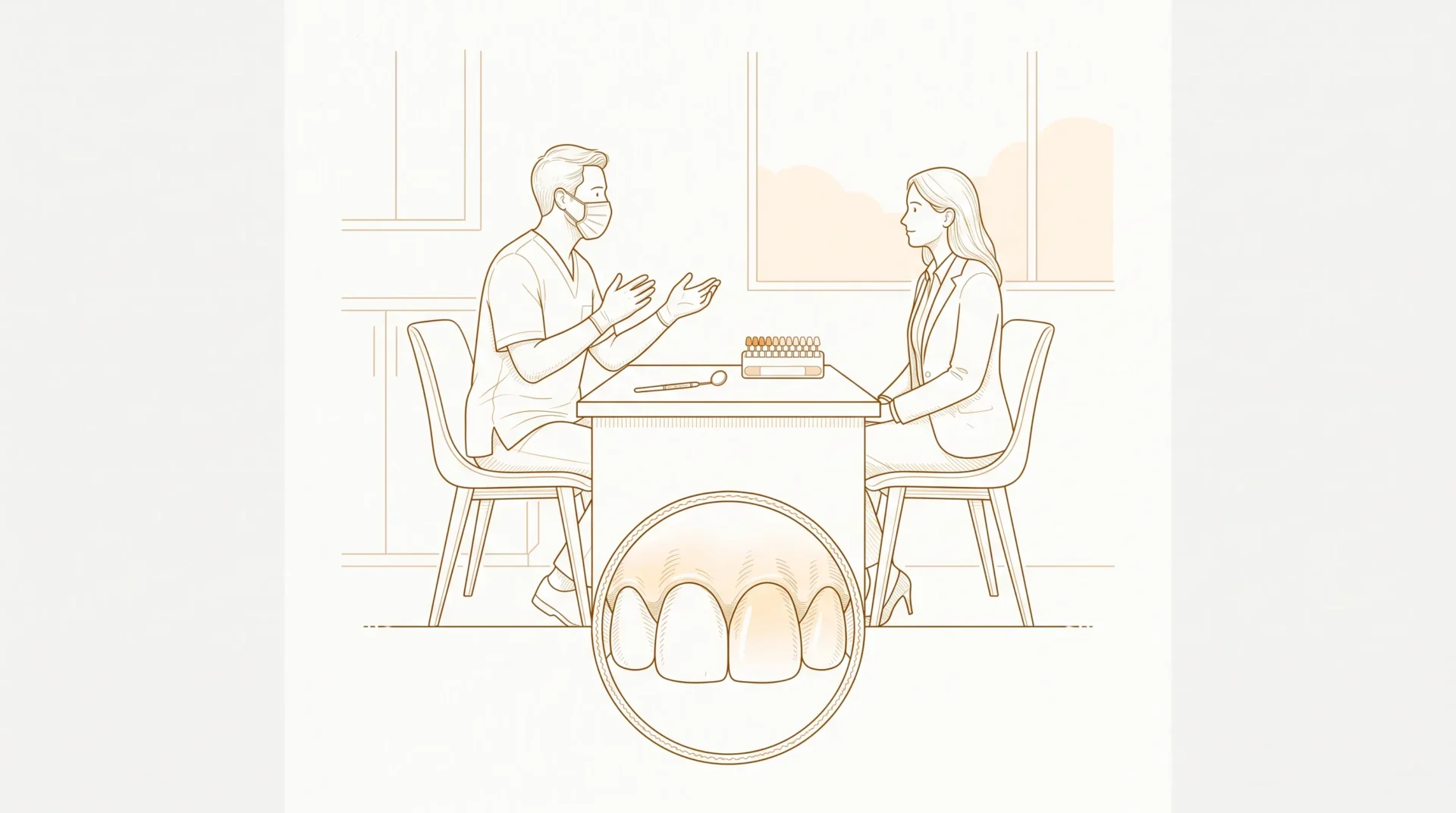
Cost is a common reason people compare clinics, and it is sensible to ask detailed questions before starting treatment. Cosmetic dentistry fees can vary because treatment may involve different materials, appointment lengths, planning steps, laboratory work and follow-up needs.
A written estimate should ideally explain what is included. For example, ask whether the quoted fee includes consultations, X-rays or scans if needed, temporary restorations, retainers, follow-up appointments or replacement of old dental work. If several options are available, ask how they differ in durability, maintenance and tooth preparation.
If budget is a concern, you may find it helpful to read Integrated Dental Care’s guide to affordable cosmetic dentistry in Pakenham. You can also ask the clinic about payment plans and eligibility, including any terms, fees or limits that may apply.
Be cautious about choosing solely by the lowest advertised price. A lower fee may not include the same assessment, materials, planning or follow-up. For a broader framework, this article on how to compare dental treatment offers carefully explains why headline prices can be difficult to compare without context.
Ask what the first cosmetic consultation may involve
A first appointment should be practical and informative. It is not a commitment to treatment. It is an opportunity to understand what is happening in your mouth and what options may be appropriate.
A cosmetic consultation may include:
- Discussion of your concerns and goals: Your dentist may ask what you would like to change, how long it has bothered you and whether you have had past dental treatment.
- Dental examination: The dentist checks teeth, gums, bite, existing restorations and any signs of disease or wear.
- Diagnostic records if needed: Photos, X-rays, scans or impressions may be recommended to help assess your teeth and plan care.
- Explanation of suitable options: Your dentist can outline possible treatments, limitations, alternatives and whether any general dental care should come first.
- Written estimate and next steps: If treatment is being considered, you should have time to review costs, consent information and appointment requirements.
You can bring questions to the appointment, including concerns about sensitivity, anxiety, timeframes, maintenance and how the treatment may affect existing fillings or crowns.
Look for realistic discussion of results and limitations
Cosmetic dentistry should not be presented as one-size-fits-all. Teeth are not identical between people, and natural differences in shape, colour and alignment are normal.
A balanced clinic will avoid promising a specific result. Instead, your dentist should explain what may be achievable in your case and what factors could affect the outcome. These may include enamel thickness, tooth position, gum levels, bite forces, previous dental work and oral hygiene.
Some treatments also need maintenance or replacement over time. Whitening may need periodic top-ups, depending on your habits and oral health. Bonding can chip or stain. Veneers and crowns can require replacement later. Orthodontic treatment usually needs retainers to help maintain tooth position. These points do not mean treatment is unsuitable, but they should be discussed before you decide.
Consider comfort, communication and follow-up
Feeling comfortable with a clinic matters, especially if you are nervous about dental care or have had an unpleasant experience in the past. A good cosmetic dental clinic should give you time to ask questions and should explain information in plain language.
Useful signs include clear written treatment plans, transparent fees, respectful communication and a willingness to discuss alternatives. If you need staged treatment, ask how appointments may be spaced and whether urgent issues can be managed if they arise.
For local patients, location can also be practical. If treatment involves multiple visits, aligner reviews, whitening checks or follow-up after restorations, a Pakenham clinic may be easier to attend than travelling across Melbourne.
Red flags to be cautious about
Most dental teams want patients to make informed choices. Still, it is worth pausing if you notice any of the following:
- Claims that a treatment is guaranteed or suitable for everyone
- Pressure to start cosmetic treatment before an examination
- Advertising that relies heavily on dramatic results without explaining variation
- Vague pricing that does not explain what is included
- Reluctance to discuss risks, alternatives or maintenance
- Advice that focuses only on appearance while ignoring gum health, decay or bite issues
- Unclear information about who will provide the treatment
If something feels rushed or unclear, it is reasonable to ask for more information or seek another opinion.
Questions to ask before choosing a clinic
Before booking cosmetic treatment, consider asking:
- What oral health issues need to be addressed before cosmetic care?
- What are my treatment options and how do they compare?
- How much tooth structure, if any, would need to be changed?
- What are the potential risks and side effects in my situation?
- How long might the treatment take, including follow-up?
- What maintenance will I need after treatment?
- What happens if I decide not to proceed now?
- What is included in the estimate and what could cost extra?
The answers should help you understand whether the clinic’s approach matches your needs and expectations.
Frequently Asked Questions
What makes a good cosmetic dental clinic? A good cosmetic dental clinic assesses oral health first, explains suitable options, discusses risks and limitations, provides clear fees and avoids promising a specific result. The right choice depends on your dental health, goals, budget and preferences.
Do I need a dental check-up before cosmetic treatment? In most cases, yes. A dentist usually needs to check for decay, gum disease, bite issues, tooth wear and existing dental work before recommending cosmetic treatment. This helps determine whether treatment may be appropriate and whether other care should come first.
Is cosmetic dentistry only about appearance? Cosmetic dentistry often focuses on appearance, but it can overlap with function and oral health. For example, worn, chipped or misaligned teeth may need assessment of the bite, gums and tooth structure before cosmetic options are discussed.
How do I compare cosmetic dentistry costs? Ask for a written estimate that explains what is included, what may cost extra and what maintenance may be needed. Comparing the full treatment plan is more useful than comparing a single advertised fee.
Can a dentist tell me which cosmetic treatment is right for me online? General information can be helpful, but a personalised recommendation usually requires an examination. Your dentist needs to assess your teeth, gums, bite, medical history and treatment goals before advising on suitability.
Considering cosmetic dental care in Pakenham?
If you are thinking about cosmetic dentistry, a dental examination can help clarify what may be suitable and what should be considered first. The team at Integrated Dental Care can assess your oral health, explain potential benefits, risks and alternatives and discuss options available at the Pakenham clinic.
To discuss your concerns, you can book an appointment with Integrated Dental Care and bring any questions you have about treatment options, costs, timing or maintenance.
Disclaimer
The information provided on this website is for general informational and educational purposes only. It is not intended to replace professional dental advice, diagnosis or treatment. Dental needs and treatment outcomes vary between individuals. Always seek advice from a qualified dental practitioner regarding your specific circumstances before making decisions about your oral health or treatment. A consultation and clinical assessment are required to determine which treatment options may be suitable for you. All dental procedures carry potential risks and benefits, which will be discussed with you before treatment.