
How to Choose a Cosmetic Dentist for Natural Results
13 August 2026 | News
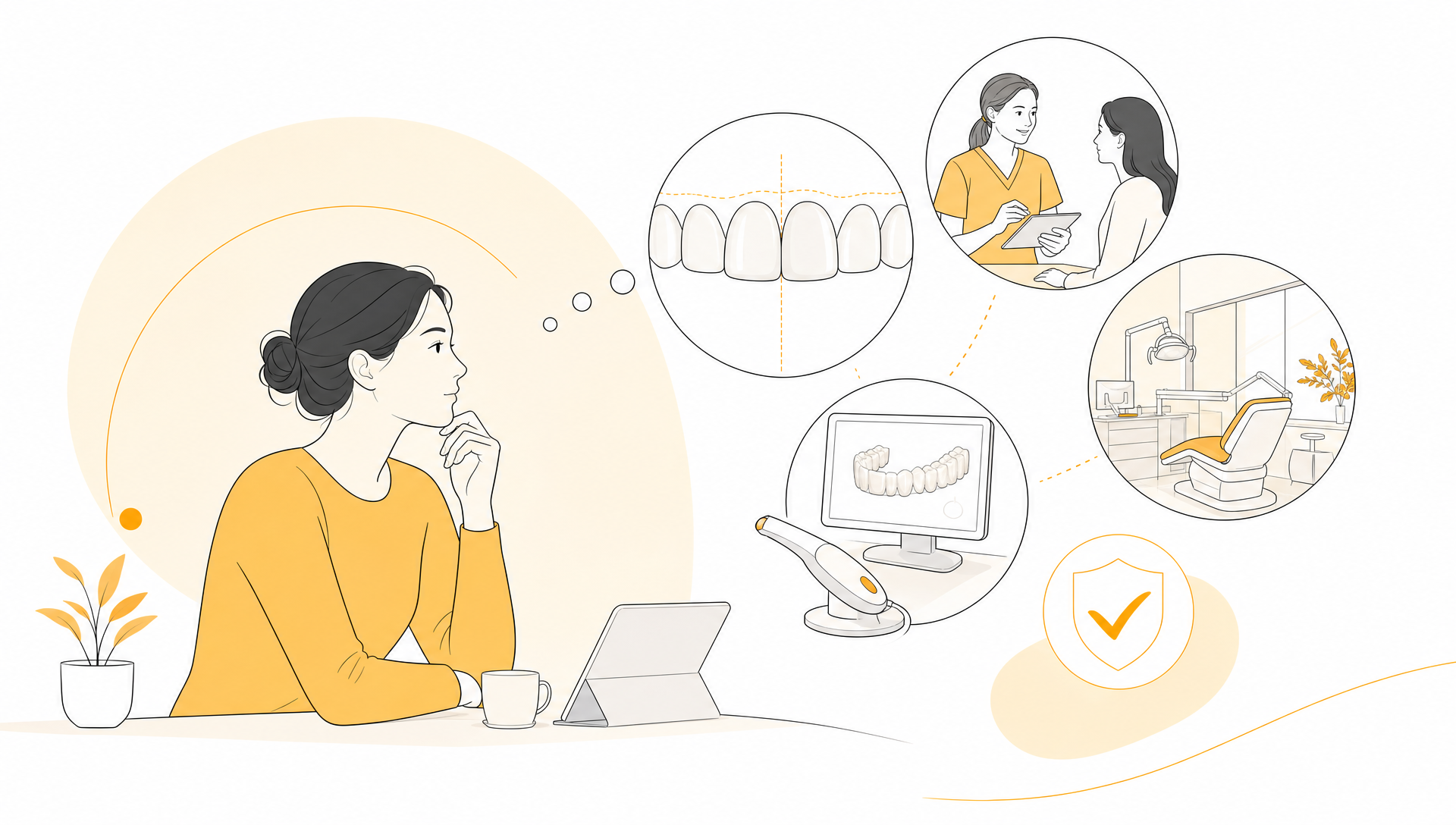
Choosing a cosmetic dentist is not just about finding someone who can make teeth look “perfect”. For most people, the real goal is a smile that looks healthier, brighter and more balanced while still looking like you. Natural results depend on clinical skill, careful planning, conservative treatment choices and a dentist who listens before recommending procedures.
If you have searched for a “cosmetic dentist near me”, you have probably noticed that many clinics offer whitening, veneers, Invisalign, bonding, crowns and smile makeovers. The challenge is knowing which provider will take a personalised approach rather than applying the same look to every patient.
This guide explains what to look for, what questions to ask and how to judge whether a cosmetic dentist is likely to deliver a result that suits your face, bite, oral health and long-term goals.
Start with oral health, not just appearance
A natural-looking cosmetic result starts with healthy teeth and gums. Before discussing tooth shape, shade or alignment, a good cosmetic dentist should assess your overall oral health. That may include checking for gum disease, decay, cracks, worn enamel, bite problems, failing fillings or missing teeth.
This matters because cosmetic work placed over unstable dental problems can lead to disappointment. For example, whitening will not solve untreated decay, veneers may not last well if gum disease is active, and straightening teeth without understanding your bite can create new issues.
A dentist who offers both general and cosmetic dentistry can often plan treatment in the right order. If you are comparing providers, look for a clinic that can explain how routine care, restorative treatment and cosmetic options fit together. For patients in Pakenham, understanding the role of general dentistry services before cosmetic treatment can help you make safer decisions.
Check registration and professional standards
In Australia, dentists must be registered to practise. Before choosing a cosmetic dentist, you can check their registration through the Ahpra public register. This is a simple way to confirm that the practitioner is registered and whether any conditions are listed.
Cosmetic dentistry is not a separate dental specialty in Australia in the same way as orthodontics or oral surgery. That means you should not choose based on the word “cosmetic” alone. Instead, look for evidence of experience, a careful consultation process and a treatment philosophy that prioritises natural aesthetics and tooth preservation.
You can also pay attention to how the dentist communicates. A trustworthy cosmetic dentist should be willing to discuss limitations, risks, alternatives and maintenance. If a consultation feels rushed or overly focused on selling a particular treatment, it may be worth seeking another opinion.
Look for a natural aesthetic, not a one-size-fits-all smile
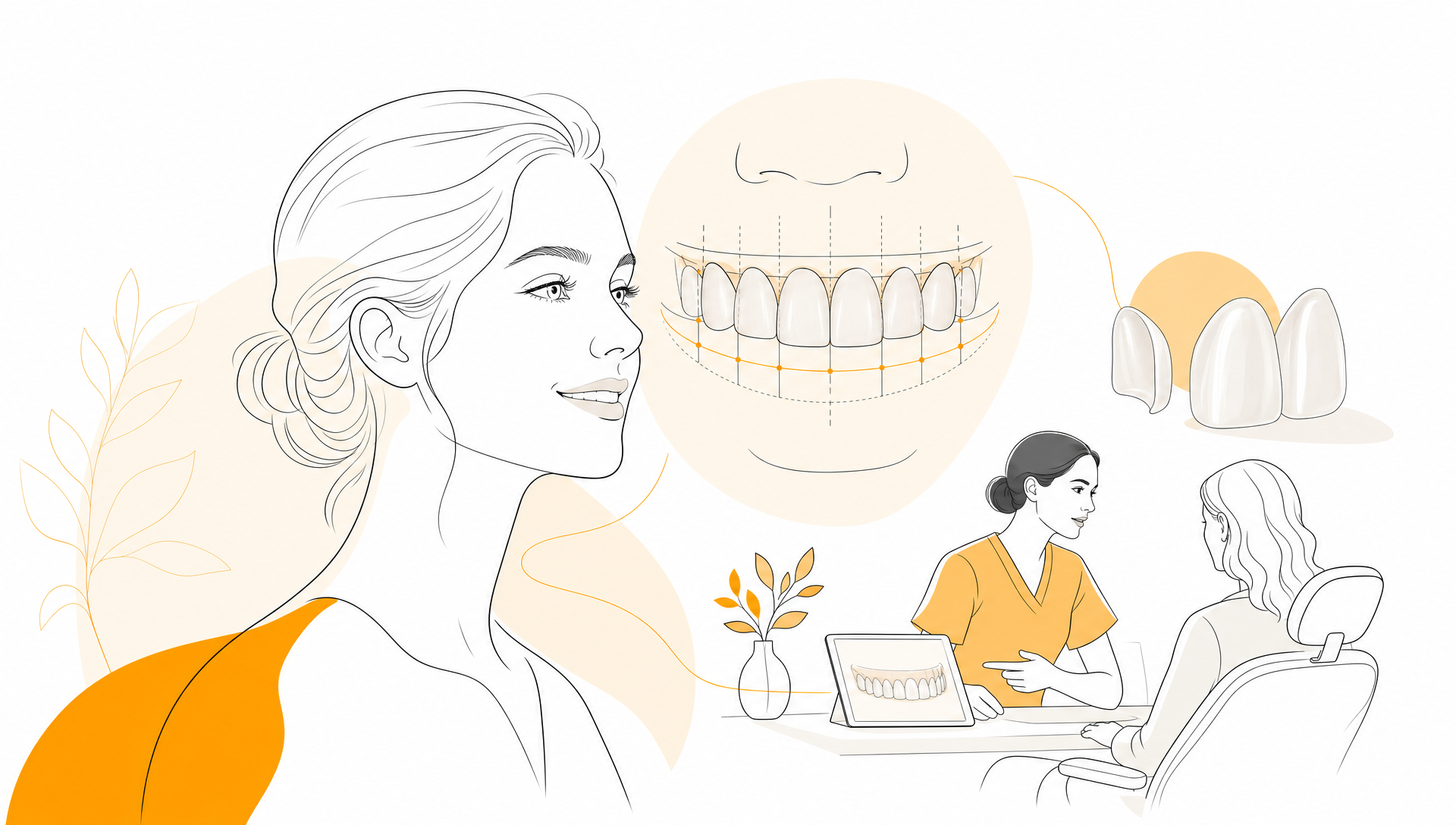
Natural cosmetic dentistry is about harmony. Teeth should suit your lips, gums, face shape, skin tone, age, personality and how you speak. The brightest shade on a guide is not always the best choice, and teeth that are too uniform can look artificial.
A dentist aiming for natural results will usually consider:
- Tooth colour that looks fresh but believable
- Tooth proportions that suit your face and smile width
- Gum symmetry and how much gum shows when you smile
- The relationship between upper and lower teeth
- Existing facial features, not just close-up tooth photos
- How the smile looks when talking, laughing and at rest
Ask the dentist how they decide on shade, shape and length. The answer should involve your preferences, clinical assessment and visual planning, not just a standard template.
Ask to see relevant before-and-after cases
Before-and-after photos can be helpful, but only if you look at them critically. Rather than asking to see the most dramatic transformations, ask for cases similar to yours. If you are considering whitening, look at whitening cases. If you have gaps, worn edges or old fillings, ask whether the dentist has treated similar concerns.
When reviewing images, look for natural details. Do the teeth match the person’s face? Are the edges and shapes slightly individual, or do they look copied and pasted? Do the gums look healthy? Is the colour realistic under normal lighting?
It is also reasonable to ask whether the photos show actual patients of the clinic and whether any cases involved other dental professionals or laboratories. Good cosmetic dentistry is often a team effort, especially when ceramics, crowns, implants or orthodontic treatment are involved.
Understand the treatment options before you commit
The best cosmetic dentist for you is not necessarily the one who recommends the most treatment. Often, natural results come from choosing the most conservative option that can achieve your goal.
For example, stained but otherwise healthy teeth may only need professional whitening. Small chips or uneven edges may be improved with bonding. Crowding might be better treated with Invisalign or braces before considering veneers. Missing teeth may require restorative planning before the cosmetic result can look balanced.
Here is a simple comparison of common cosmetic options and when they may suit a natural-looking result.
| Treatment | Often used for | Natural-result consideration |
|---|---|---|
| Teeth whitening | Stains, dull colour, yellowing | Best when tooth shape and alignment are already acceptable |
| Dental bonding | Small chips, gaps, worn edges, minor reshaping | Conservative, but may stain or wear over time |
| Veneers | Shape, colour, spacing or surface concerns | Requires careful shade and shape planning to avoid an artificial look |
| Invisalign or braces | Crowding, spacing, bite-related cosmetic concerns | Can improve the foundation before other cosmetic work |
| Crowns | Heavily restored, cracked or structurally weak teeth | Should balance strength, function and appearance |
| Dental implants | Replacing missing teeth | Needs gum, bone and bite planning for a seamless result |
If you are unsure whether you need one procedure or a broader plan, it may help to learn what a cosmetic dentistry smile makeover can include. A smile makeover does not always mean extensive work. It should mean coordinated planning based on your needs.
Be cautious with trends and “perfect smile” promises
Social media can make cosmetic dentistry look instant and effortless. While it can be useful for inspiration, it can also create unrealistic expectations. Very white, highly symmetrical smiles may photograph well but look less natural in person.
A good cosmetic dentist should help you separate inspiration from what is clinically suitable. They should explain whether a desired result would require enamel removal, orthodontics, gum treatment, replacement of existing restorations or ongoing maintenance.
Be cautious if you hear promises such as “no-prep veneers for everyone”, “guaranteed perfect smile” or “same-day transformation” without a full examination. Some treatments can be completed quickly, but the decision should still be based on diagnosis and planning.
Ask about digital planning, previews and communication
Natural results are easier to achieve when you and your dentist share the same vision before treatment starts. Depending on the treatment, this may involve photos, X-rays, scans, shade guides, wax-ups, mock-ups or digital simulations.
You do not need every technology for every case. A simple whitening plan may not require extensive previewing. However, for veneers, crowns, implants or full smile makeovers, planning tools can help you understand likely outcomes and approve details before final work begins.
Good communication is just as important as technology. During your consultation, notice whether the dentist asks what you dislike about your smile and what you want to keep. Natural cosmetic dentistry often works best when it enhances the features you already like rather than replacing your smile with something unfamiliar.
Discuss materials, longevity and maintenance
A cosmetic result should look good on day one, but it should also be planned for real life. Ask how long the proposed treatment usually lasts, what maintenance is involved and what factors could shorten its lifespan.
Different treatments age differently. Whitening may need top-ups. Bonding may need polishing or repair. Veneers and crowns can last for many years, but they still need healthy gums, good cleaning habits and regular check-ups. If you grind your teeth, you may need a night guard to protect cosmetic work.
The dentist should also explain material choices in plain language. For example, if porcelain or composite resin is recommended, ask why that material suits your case. A natural-looking result depends on translucency, texture, colour matching and how the material interacts with light, not just the name of the treatment.
Consider cost, but focus on value and suitability
It is sensible to ask about fees, payment options and staged treatment. Cosmetic dentistry can vary widely in cost because cases differ in complexity, materials, laboratory work and the number of teeth involved.
The cheapest option is not always the most affordable long term if it needs frequent repairs or does not address the underlying issue. At the same time, the most expensive treatment is not automatically the best. A good dentist should help you compare options based on your goals, oral health and budget.
If cost is a major factor, ask whether treatment can be staged. For example, you may start with a check-up, clean and whitening before deciding whether bonding, orthodontics or veneers are needed. Patients comparing local options may also find it useful to review what affordable cosmetic dentistry in Pakenham can realistically involve.
Pay attention to the consultation experience
Your first consultation can tell you a lot. A cosmetic dentist who aims for natural results should take time to understand your concerns and examine your teeth properly. They should be comfortable explaining more than one option and should not pressure you into a decision on the spot.
Useful questions to ask include:
- What would you recommend if I want the most natural result?
- Are there any oral health issues we should treat first?
- What are the conservative options before veneers or crowns?
- Can I see examples of cases similar to mine?
- How will you choose the shade and shape?
- What are the risks or limitations of this treatment?
- How long should the result last, and what maintenance will I need?
The answers should be specific to your mouth. If every question leads back to the same treatment, ask why that option is preferred over alternatives.
Choose someone local enough for follow-up care
Cosmetic dentistry is not always finished when the procedure is complete. You may need reviews, adjustments, polishing, whitening maintenance, retainer checks or long-term monitoring. Choosing a conveniently located dentist can make follow-up care easier.
For people in Pakenham and surrounding suburbs, a local cosmetic dentist can be especially helpful if your treatment is staged or involves multiple visits. Local care also makes it easier to return promptly if something feels uncomfortable or needs adjustment.
When searching “cosmetic dentist near me”, look beyond distance alone. The right choice should combine convenience with careful planning, transparent communication and a style of dentistry that matches your idea of a natural smile.
Frequently Asked Questions
How do I know if a cosmetic dentist can create natural results? Look for a dentist who assesses your oral health first, explains multiple options, shows relevant before-and-after cases and discusses shade, shape, bite and facial balance. Natural results usually come from personalised planning rather than a standard smile design.
Should I choose whitening, bonding, veneers or Invisalign? It depends on your teeth, gums, bite and goals. Whitening may suit colour concerns, bonding can help minor chips or gaps, Invisalign may improve alignment, and veneers may suit more significant shape or surface changes. A consultation is the safest way to compare options.
Is cosmetic dentistry painful? Many cosmetic treatments are comfortable and minimally invasive, but this varies by procedure. Whitening, bonding and Invisalign are generally different experiences from crowns, veneers or implant treatment. Your dentist should explain what to expect and how discomfort is managed.
Can cosmetic dentistry damage my teeth? Some cosmetic procedures are very conservative, while others involve changing tooth structure. The key is choosing treatment that is appropriate for your case. A good dentist will explain benefits, risks and alternatives before you consent.
How white should my teeth be for a natural smile? The most natural shade is usually one that brightens your smile while still matching your complexion, age and facial features. Extremely white shades can look artificial on some people, so shade selection should be personalised.
Ready to plan a natural-looking smile?
If you are considering cosmetic dentistry in Pakenham, Integrated Dental Care can help you explore options such as whitening, Invisalign treatment, dental implants and smile makeover planning in a modern local practice. The right first step is a personalised consultation, where your oral health, goals and treatment options can be reviewed together.
You can book online with Integrated Dental Care to discuss a cosmetic approach that looks natural, feels comfortable and supports your long-term dental health.
Disclaimer
The information provided on this website is for general informational and educational purposes only. It is not intended to replace professional dental advice, diagnosis or treatment. Dental needs and treatment outcomes vary between individuals. Always seek advice from a qualified dental practitioner regarding your specific circumstances before making decisions about your oral health or treatment. A consultation and clinical assessment are required to determine which treatment options may be suitable for you. All dental procedures carry potential risks and benefits, which will be discussed with you before treatment.