
Dental Clinic Services That Support Prevention and Repairs
22 October 2026 | General Dentistry, Preventative Dentistry, Tooth Decay
Dental Clinic Services That Support Prevention and Repairs
Dental clinic services support prevention through examinations, gum care and advice tailored to your oral health. They also help repair teeth affected by decay, damage or infection. The right approach depends on what your dentist finds, rather than a standard package of treatments for everyone.
For patients in Pakenham and the surrounding Cardinia Shire, understanding the difference between preventive care and repairs can make appointment decisions clearer. A tooth that feels comfortable may still need assessment, while a small chip or surface stain does not automatically require extensive treatment.
This guide explains what common services involve, how treatment decisions are made and what you can ask before agreeing to care.
How dental clinic services support prevention and repairs
Preventive care aims to reduce the likelihood of dental problems or identify them early. Restorative care repairs or replaces damaged tooth structure so a tooth can function more effectively. Neither approach removes the need for ongoing home care and review.
| Type of care | What it may involve | Why it may be recommended |
|---|---|---|
| Assessment | Examination, gum checks and X-rays when clinically indicated | To understand symptoms, identify disease and assess existing repairs |
| Prevention | Oral hygiene advice, cleaning, fluoride or fissure sealants | To address individual risks for decay and gum disease |
| Tooth repair | Fillings or crowns | To restore a tooth affected by decay, wear or damage |
| Care for an infected tooth | Root canal treatment or extraction, depending on the assessment | To address infection within or around a tooth |
These dental clinic services often overlap: a filling repairs existing damage, while preventive advice addresses factors that could contribute to further decay.
An examination also helps distinguish between changes that need treatment and those that can reasonably be monitored. Cosmetic treatments, such as whitening, are separate choices and do not treat tooth decay or gum disease.
Prevention starts with your individual risk
Your dentist considers more than how your teeth look. Previous decay, bleeding gums, a dry mouth, dietary habits and difficulty cleaning certain areas can all influence a preventive plan.
Some medicines reduce saliva flow. Saliva helps protect teeth, so tell your dentist about medications and persistent mouth dryness. Do not stop prescribed medicine without discussing it with your treating clinician.
A check-up usually includes examining teeth, gums and the soft tissues of the mouth. Your dentist may recommend X-rays if they are needed to assess areas that cannot be seen directly. They should explain the reason for imaging and consider its benefits and radiation exposure.
The timing of reviews should reflect your oral health and risk factors, rather than assuming everyone needs the same interval. Preventive dental clinic services work alongside daily brushing with fluoride toothpaste, cleaning between teeth and limiting frequent sugary foods and drinks.
Healthdirect’s explanation of tooth decay describes how plaque bacteria, sugars and acids contribute to damage over time.
When fluoride or fissure sealants may help
Early mineral loss from enamel, the hard outer surface of a tooth, may sometimes be managed without a filling. Fluoride and changes to home care can support this approach when the tooth surface has not developed a cavity. Assessment and monitoring are still needed.
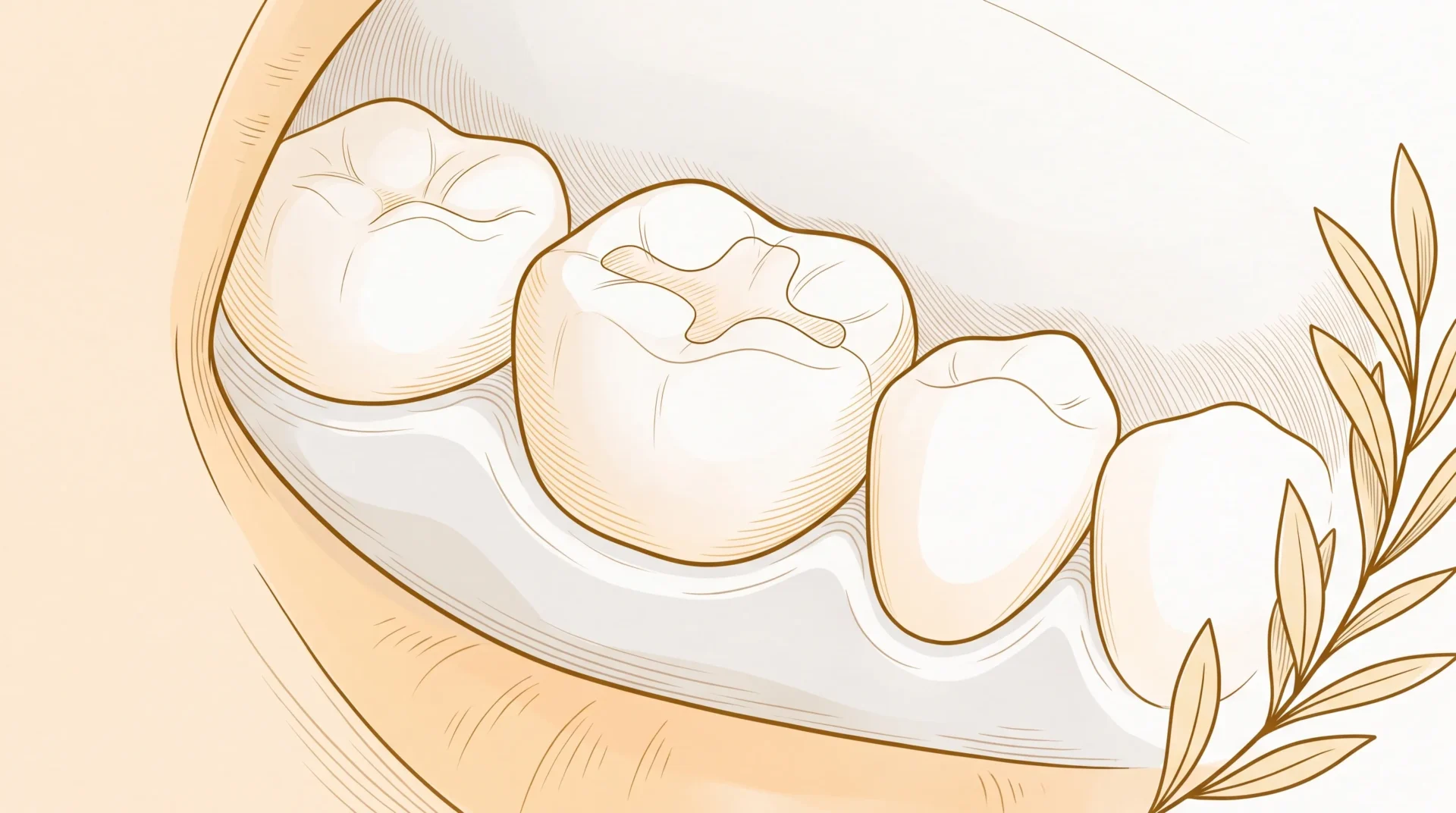
A fissure sealant is a protective coating placed in the grooves of a back tooth. It may be recommended when those grooves are difficult to clean and the tooth is at risk of decay.
Our explanation of how fissure sealants can help protect teeth covers their role in more detail. Sealants can wear or become damaged, so they need checking and do not replace brushing.
When a tooth needs repair
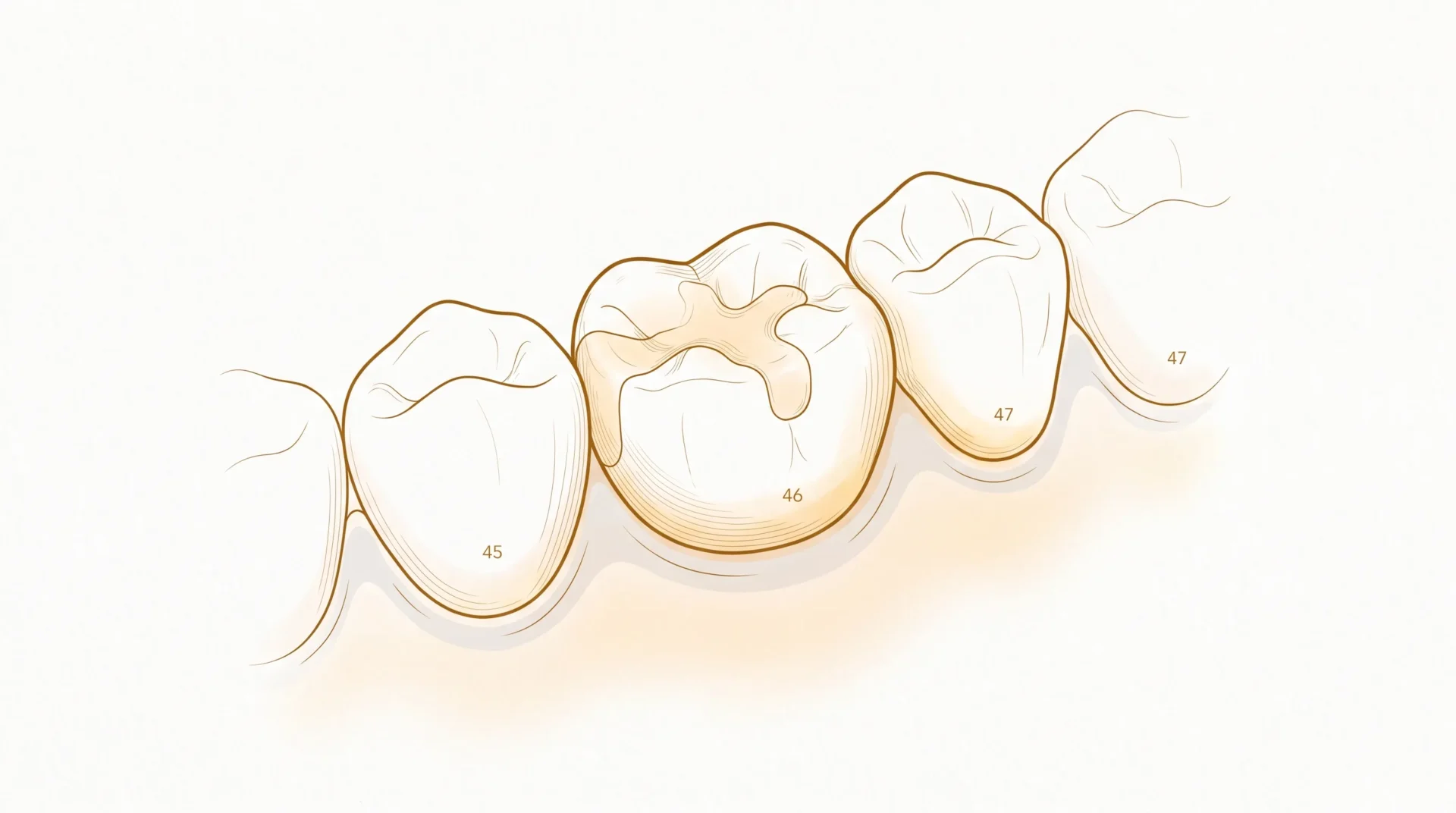
Repair may be considered when tooth structure has been lost through decay, fracture or wear. The size and location of the damage matter, along with the remaining tooth structure, your bite and the health of the tissues inside the tooth.
Restorative dental clinic services should address a diagnosed problem while preserving sound tooth structure where practical. A dentist can explain why a repair is recommended and whether monitoring or another approach is reasonable.
Fillings and crowns
A filling replaces a smaller area of missing or decayed tooth structure. Depending on the situation, a damaged existing filling may need repair or replacement. Not every old filling needs replacing simply because it has been in place for several years.
A crown covers much of the visible tooth and may be considered when there is insufficient remaining structure for a filling to provide suitable support. Preparing a tooth for a crown involves removing some tooth structure, so its potential benefits need to justify that step.
Both treatments have limitations. Fillings can wear, fracture or develop decay around their edges. Crowns can loosen, chip or require replacement, and a crowned tooth can still develop decay or problems with its inner tissues. Sensitivity may occur after treatment, and some teeth require further care.
For a small fracture, the options may range from smoothing a rough edge to placing a filling or crown. The guide to repairing and protecting a chipped tooth explains why the extent of the damage affects the choice.
Root canal treatment, removal and replacement
Root canal treatment treats inflamed or infected tissue inside a tooth. The dentist cleans and seals the internal spaces, then restores the tooth. It may allow a suitable tooth to be retained, but success is not guaranteed and further treatment may be needed.
If a tooth cannot reasonably be repaired, extraction may be considered. Removal carries risks such as bleeding, infection and healing complications, which your dentist should discuss.
Dental clinic services for a missing tooth may include assessment for an implant, bridge or denture. Replacement is not automatically necessary in every situation. Suitability depends on factors including oral health, available bone, the position of the gap, medical history and personal preferences. Referral may be appropriate for some care.
Keeping repaired teeth in good condition
A repair does not make a tooth immune to future problems. Plaque can collect around filling edges and crowns, and the surrounding gums still need regular cleaning.
Your dentist can show you how to clean around a particular restoration. This may involve floss or an appropriately sized interdental brush, a small brush designed to clean between teeth.
If you grind or clench your teeth, or play a sport with a risk of mouth injury, mention this during your assessment. A protective appliance may be considered when appropriate, but it is not something every patient needs.
Ongoing dental clinic services can include checking restoration edges, bite contacts and gum health. Contact a dentist if a repair feels loose, your bite changes or you develop persistent sensitivity or pain. Monitoring should not mean ignoring new symptoms.
What an assessment and treatment plan may involve
An appointment generally starts with your concerns and relevant medical history. Let the team know about medicines, allergies, previous dental experiences and anything that makes appointments difficult. You can also explain your priorities, including comfort, timing and cost.
After examining your mouth and carrying out any necessary investigations, the dentist should explain what they found in everyday language. If treatment is proposed, ask to understand the expected benefits, potential risks and available alternatives, including the likely consequences of leaving a problem untreated.
A useful treatment plan distinguishes between care that needs prompt attention, care that can be scheduled and findings that can be monitored. It should also make clear where there is uncertainty or where a referral is recommended.
Choosing dental clinic services is an informed decision, not simply agreeing to every option mentioned. For non-urgent treatment, you can ask for time to consider the plan or seek another opinion.
Discuss timing, costs and payment arrangements
Before treatment, request an estimate and ask what it includes. Complex care may involve several stages, and the plan can change if further findings emerge.
Useful questions include:
- What problem is this treatment intended to address, and what are the alternatives?
- What are the main risks, and might further treatment be needed later?
- Which parts of the plan need attention first, and which can safely wait?
- What costs are included, and are there any payment-plan fees or conditions?
Our guide to planning affordable family dental care discusses budgeting around assessed needs.
Integrated Dental Care offers interest-free payment plans and bulk-billed children’s dental options. Ask about eligibility, covered services and applicable terms. The Child Dental Benefits Schedule covers certain basic dental services for eligible children, subject to benefit limits and program rules.
When to seek prompt dental care
Contact a dentist promptly for severe or worsening tooth pain, facial swelling, a broken tooth with pain or a knocked-out adult tooth. When contacting the clinic, describe your symptoms and when they started so the team can advise on the appropriate timing of assessment.
Emergency dental clinic services focus on assessing the immediate problem and deciding what care is needed. An initial appointment may address pain or stabilise a tooth, with further treatment arranged afterwards. Availability and treatment needs vary.
Call 000 or attend an emergency department if swelling affects breathing or swallowing. These symptoms require emergency medical assessment rather than waiting for a routine dental appointment.
Bleeding gums, ongoing sensitivity or a repeatedly sore area also deserve assessment, even when they are not an emergency. Symptoms alone cannot reliably identify the cause.
Frequently asked questions
Do I need a filling if I have early tooth decay? Not necessarily. Some early enamel changes may be managed with fluoride, improved cleaning and dietary changes. A cavity or more extensive damage may require repair. Your dentist needs to assess the tooth before recommending an approach.
Are crowns better than fillings? Neither is the right choice for every tooth. A filling may suit a smaller area of damage, while a crown may be considered for a more extensively weakened tooth. The amount of remaining structure and the risks of each option guide the decision.
Can preventive care stop all future dental problems? No. Preventive care can reduce risk and help identify problems, but decay, gum disease and damage can still occur. Home care, health conditions and individual risk factors all matter.
Can I discuss treatment if I feel anxious? Yes. Tell the dental team about your concerns before or during the appointment. You can ask for explanations, discuss breaks and clarify what will happen before consenting to treatment.
Discuss your needs with Integrated Dental Care
If you are unsure which dental clinic services are appropriate, an examination can help clarify your oral health needs and available options. To discuss prevention, tooth repairs or a current concern, you can arrange an appointment with Integrated Dental Care in Pakenham. Online booking is available.
Disclaimer
The information provided on this website is for general informational and educational purposes only. It is not intended to replace professional dental advice, diagnosis or treatment. Dental needs and treatment outcomes vary between individuals. Always seek advice from a qualified dental practitioner regarding your specific circumstances before making decisions about your oral health or treatment. A consultation and clinical assessment are required to determine which treatment options may be suitable for you. All dental procedures carry potential risks and benefits, which will be discussed with you before treatment.