
Choosing Comfortable Dental Care When You Feel Anxious
28 September 2026 | Blog, General Dentistry, Preventative Dentistry
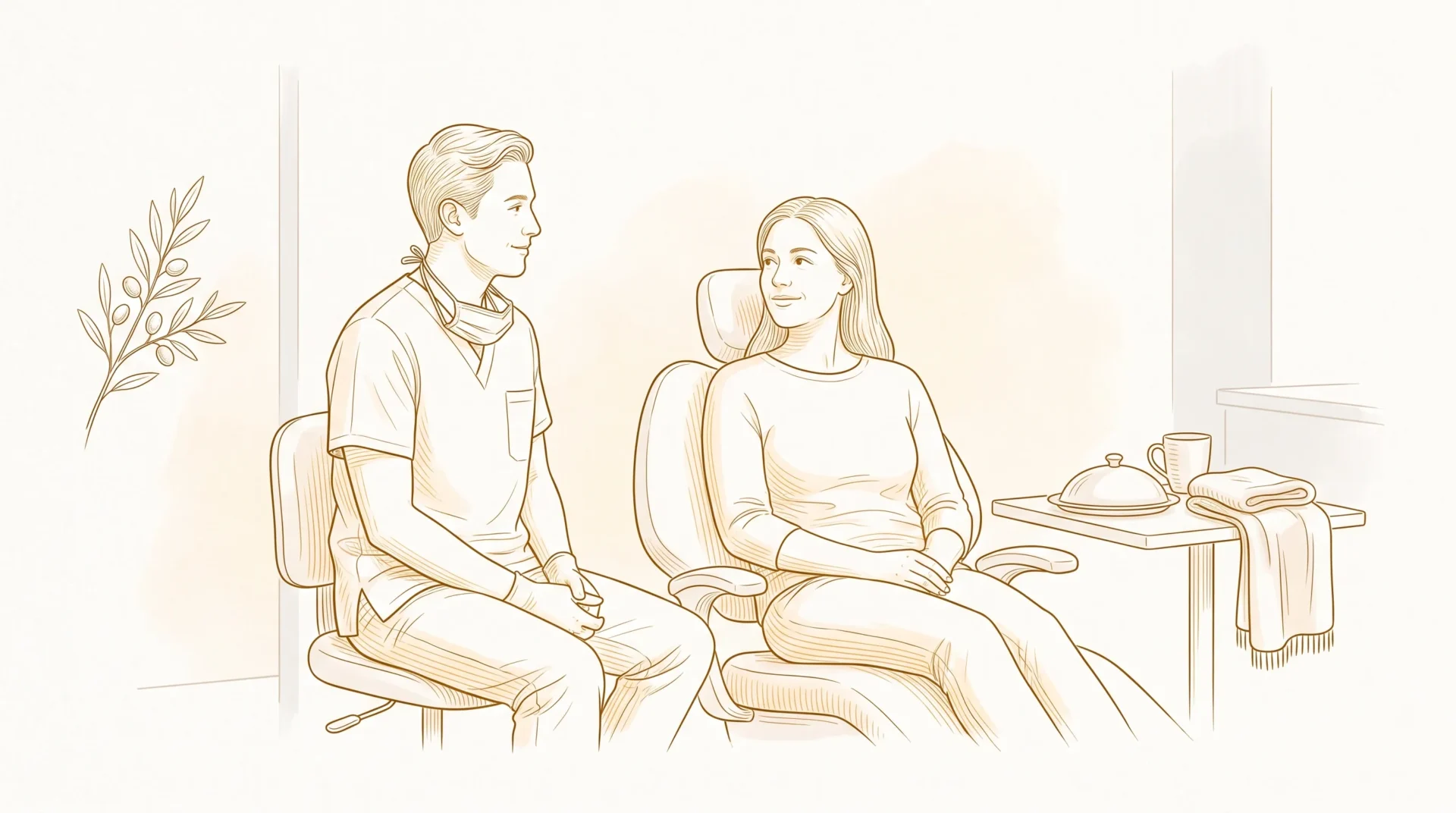
Feeling anxious about the dentist can make even a routine check-up feel difficult. Choosing comfortable dental care does not mean pretending the appointment will feel easy for everyone. It means finding a dental team and appointment style that takes your concerns seriously, explains what is happening and gives you realistic options to help you manage the visit.
For people in Pakenham, Officer, Beaconsfield, Nar Nar Goon, Koo Wee Rup and surrounding parts of Cardinia Shire, this can be especially important if you have delayed treatment because of fear, a sensitive gag reflex, previous dental experiences or worry about costs. A calm first conversation can help you understand what is needed now, what can wait and what choices may be suitable after a proper dental assessment.
What comfortable dental care looks like when you feel anxious
Dental comfort is not only about the dental chair. It also includes the way information is shared, how your concerns are handled and whether you feel able to pause or ask questions.
A comfort-focused appointment may involve a slower introduction to the clinic, time to talk before any examination, clear explanations before instruments are used and agreed signals if you need a break. Some patients prefer to know every detail as it happens. Others would rather hear only the essential information. Neither preference is wrong.
Your dentist may also adapt parts of the visit where clinically appropriate. This might include taking breaks during a scale and clean, discussing numbing options before treatment or planning shorter appointments while you build confidence.
It is still important to be realistic. Dental treatment can involve pressure, vibration, unfamiliar sounds and sensations. Your dentist cannot promise that every appointment will be free from discomfort, but they can explain what to expect and discuss options that may make care more manageable depending on your individual needs.
Why dental anxiety can build over time
Dental anxiety can come from many different experiences. For some people, it starts after a difficult appointment years ago. For others, it is linked with feeling embarrassed, having a strong gag reflex, worrying about needles or not knowing what treatment may cost.
Common reasons people feel uneasy include:
- Fear of being judged about the condition of their teeth or gums
- Previous pain, discomfort or feeling rushed during treatment
- Sensitivity to sounds, smells or the feeling of instruments
- Worry about losing control during the appointment
- Concern about the cost or number of visits needed
- Medical conditions, trauma history or general anxiety that affects healthcare visits
This is why comfortable dental care should treat anxiety as part of the appointment, not as something you have to hide. Telling the clinic that you feel nervous when you book can help the team plan more appropriately, such as allowing extra time for discussion or noting that you may need more explanation before treatment begins.
Signs a practice may be a good fit before you book
You can often learn a lot before you sit in the dental chair. When comparing dental clinics in Pakenham or Melbourne’s south east, look for signs that the practice communicates clearly and welcomes questions.
A practice that supports anxious patients will usually avoid vague promises. Instead, it should explain what an appointment involves, what information you need to provide and when a dental examination is required before discussing treatment options. If a website or booking system lets you include notes about anxiety, sensitivity or a previous experience, that can make the first visit easier to prepare for.
When you are searching for comfortable dental care, it may help to compare the following points rather than choosing on location or price alone.
| What to check | Why it matters |
|---|---|
| Appointment type | A check-up, emergency visit and cosmetic consultation may involve different time, planning and expectations. |
| Communication style | Clear explanations can help you understand what is happening and why it may be recommended. |
| Options for nervous patients | Breaks, stop signals and anaesthetic discussions may help some patients manage treatment. |
| Cost information | Transparent fee discussions can reduce uncertainty before treatment begins. |
| Follow-up planning | Some treatment needs staged appointments, reviews or maintenance, depending on your oral health. |
What to tell the clinic when making an appointment
You do not need to explain everything in detail when you book, but sharing the right information can help the team prepare. If booking online, use the notes section to mention that you feel anxious, have a strong gag reflex, are worried about needles or would like time to talk before treatment. Integrated Dental Care has a helpful guide on how to book a dentist online with confidence if you are unsure what to include.
You may also want to mention recent symptoms, such as toothache, swelling, a broken tooth, bleeding gums or sensitivity. This helps the clinic decide whether a routine appointment is suitable or whether you may need a more urgent assessment.
A simple note is enough. For example: “I feel anxious about dental appointments and would like the dentist to explain things before starting.” That kind of wording gives useful information without needing to share personal details you are not comfortable discussing yet.
For many patients, comfortable dental care starts with feeling able to say what they need before treatment begins.
What may happen at the first appointment
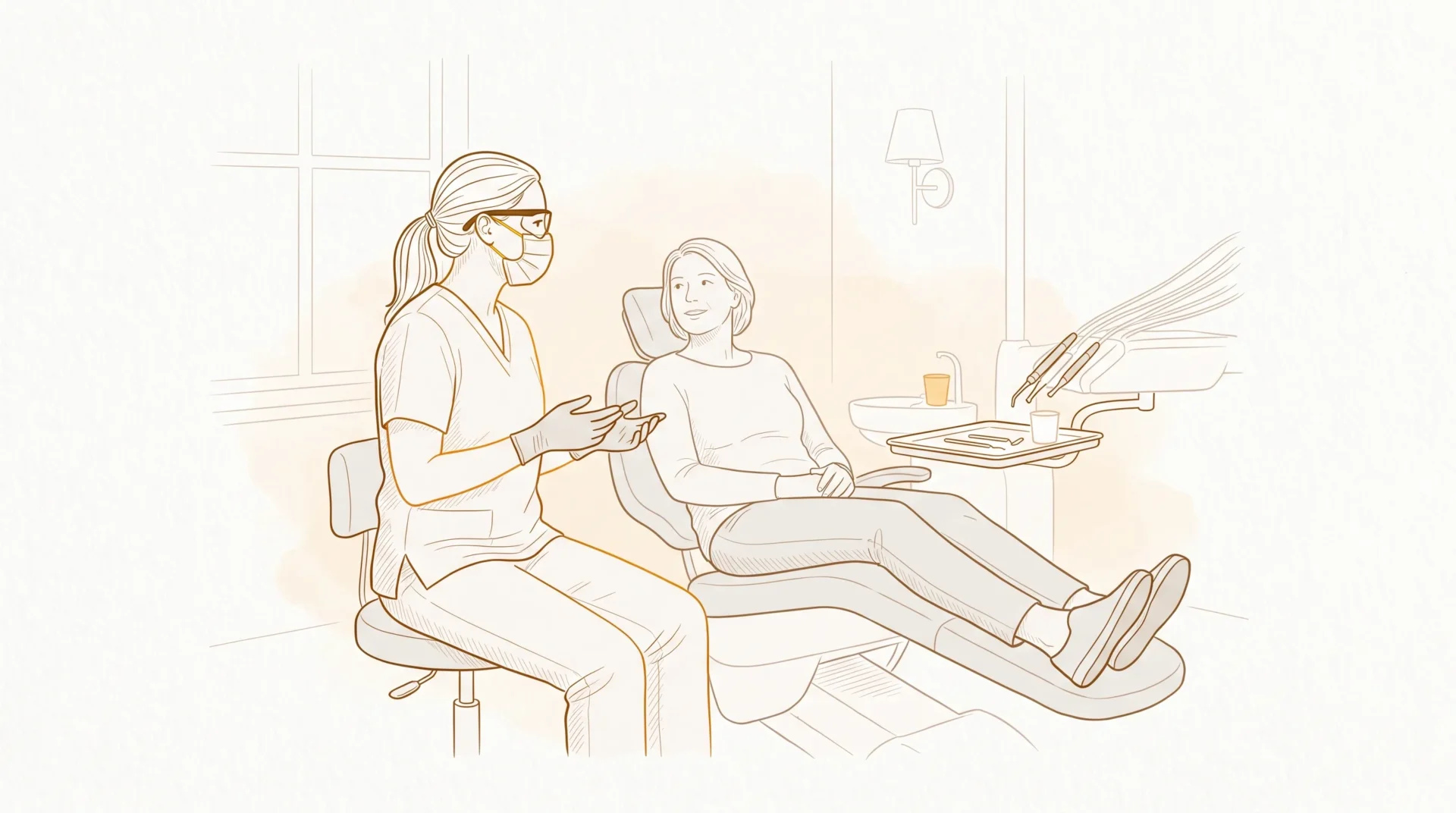
If you have not seen a dentist for some time, your first visit is often about gathering information rather than doing a large amount of treatment. Your dentist may ask about your medical history, medications, allergies, previous dental experiences and what has brought you in.
They may then examine your teeth, gums, jaw and soft tissues. X-rays may be recommended if the dentist needs to check areas that cannot be seen clearly in the mouth, such as between teeth or below existing fillings. Whether X-rays are needed depends on your symptoms, dental history and examination findings.
A routine appointment may also include a clean, but this is not always the right first step for every patient. If you have pain, swelling, advanced gum concerns or a very sensitive mouth, your dentist may recommend a staged plan instead. You can read more about what is typically involved in a routine dental appointment before you attend.
A slower first visit can still be productive. In anxious patients, comfortable dental care may mean starting with an examination and discussion, then planning treatment only after you understand the findings, possible benefits, risks and alternatives.
Comfort options your dentist may discuss
The right comfort option depends on the procedure, your oral health, your medical history and how you feel about treatment. Not every option is suitable for every person, and all dental procedures carry potential risks and benefits.
For simple treatment, comfort planning may include topical numbing gel before local anaesthetic, local anaesthetic to numb the area being treated, agreed hand signals, breaks during longer appointments or shorter visits over time. Some patients also benefit from bringing headphones, using breathing techniques or asking the dentist to explain sensations before they happen.
For more complex treatment or severe dental anxiety, your dentist may discuss whether sedation or referral pathways are appropriate. In some circumstances, general anaesthetic may be considered, particularly where extensive treatment, medical factors or anxiety make care difficult in a standard chair appointment. Integrated Dental Care has an article explaining what general anaesthetic is and when it may be needed if you would like a plain-language overview.
These options should be discussed carefully. Comfortable dental care does not mean choosing the strongest option automatically. It means matching the approach to your needs after proper assessment, with a clear explanation of limitations, recovery considerations and any alternatives.
Your general health also matters
Dental care is part of healthcare, so your dentist needs to know about your medical history and medicines. This includes heart conditions, diabetes, pregnancy, allergies, reflux, sleep apnoea, blood thinning medicines and any recent surgery or hospital care.
It is also worth mentioning if you are receiving support for weight management or using prescription medicines as part of a broader health plan. For example, a medically supervised service such as Healthy Weight Clinics is the kind of healthcare context patients should disclose to their dentist, along with any current medication or monitoring. Your dentist is not there to judge this information. It helps them make safer decisions about timing, anaesthetic options and whether medical advice is needed before dental treatment.
For people who feel anxious, comfortable dental care often improves when the dental team understands the whole picture, not just the tooth that is causing concern.
When anxiety has stopped you from seeing a dentist
If you have avoided dental visits for months or years, you are not alone. Many people delay care because they are worried about what the dentist will find or how treatment might feel. A helpful first step is to book an assessment rather than assuming you need extensive treatment.
During an examination, your dentist can explain what is stable, what may need attention and what choices are available. Sometimes the plan is simpler than expected. In other cases, treatment may need to be prioritised over several appointments. Either way, you should be given enough information to make an informed decision.
Seek prompt dental advice if you have facial swelling, severe toothache, trauma, uncontrolled bleeding, fever with dental pain or difficulty swallowing or breathing. These symptoms may need urgent assessment.
Questions to ask a Pakenham dentist if you feel nervous
Before treatment begins, it is reasonable to ask questions. You are allowed to understand what is being recommended, why it may be needed and what could happen if you wait or choose another option.
Helpful questions include:
- Can we start with an examination and discussion today?
- What are you checking for during this appointment?
- Can I use a hand signal if I need a break?
- What sensations should I expect during the procedure?
- Are there options to make this appointment easier for me?
- What are the possible risks, benefits and alternatives?
- Can treatment be staged over more than one visit if suitable?
- What costs should I understand before deciding?
These questions are not difficult or unreasonable. They help create a clearer appointment and reduce surprises. For many people, that is the practical foundation of comfortable dental care.
Frequently Asked Questions
Is it normal to feel anxious before a dental appointment? Yes. Many people feel nervous before dental care, especially if they have had a difficult experience, have delayed treatment or are unsure what will happen. Letting the clinic know beforehand can help the team plan the appointment more thoughtfully.
Can I book a visit just to talk to the dentist? In many cases, an initial appointment can focus on examination, discussion and planning. Whether treatment happens on the day depends on your symptoms, oral health, appointment type and what you consent to after the dentist explains your options.
Will the dentist judge me if I have not been for years? A dental appointment should focus on your current oral health and what options may be appropriate from here. If you are worried about embarrassment, mention this when you book or at the start of the visit so the dentist understands your concern.
What if I am scared of injections? Tell your dentist before treatment. They may discuss topical numbing gel, the reason local anaesthetic is recommended, what you may feel and whether breaks or a slower approach could help. Suitability depends on the procedure and your individual circumstances.
Is sedation always needed for dental anxiety? No. Some patients manage well with explanation, breaks, local anaesthetic and shorter appointments. Others may need additional options. Your dentist can assess your needs and discuss the possible benefits, risks and alternatives before any decision is made.
Taking the first step in Pakenham
If anxiety has made dental care feel difficult, a first appointment can help you understand your oral health and what options may be suitable. You do not need to commit to major treatment before you have been assessed and had the chance to ask questions.
Integrated Dental Care provides general, cosmetic and emergency dental services in Pakenham. To discuss your concerns, you can book an appointment with the team and let them know if you feel anxious, have a sensitive mouth or would prefer a slower start. A dental examination can help determine the cause of your symptoms and which options may be appropriate for your circumstances.
Disclaimer
The information provided on this website is for general informational and educational purposes only. It is not intended to replace professional dental advice, diagnosis or treatment. Dental needs and treatment outcomes vary between individuals. Always seek advice from a qualified dental practitioner regarding your specific circumstances before making decisions about your oral health or treatment. A consultation and clinical assessment are required to determine which treatment options may be suitable for you. All dental procedures carry potential risks and benefits, which will be discussed with you before treatment.