Questions Seniors Can Ask at a Dental Check-Up
28 September 2026 | Blog, General Dentistry, Preventative Dentistry
If you have searched for dentists for seniors near me, you may be looking for a dental check-up that feels thorough, respectful and practical for your stage of life. For older adults, a routine visit is a good time to ask about gums, dentures, dry mouth, medicines, tooth wear, comfort when chewing and any changes you have noticed. The right questions can help your dentist understand your priorities and explain options clearly before any treatment is considered.
Why it helps to bring questions to a senior dental check-up
Dental needs can change with age. Some people keep most or all of their natural teeth, while others use full or partial dentures, have crowns, bridges, implants or a mix of different dental work. Medical conditions and medicines may also affect the mouth, particularly if they contribute to dry mouth or make cleaning more difficult.
When comparing dentists for seniors near me, it can be useful to think beyond location and ask whether the appointment allows enough time to discuss your health history, comfort, mobility and preferences. A dental check-up is not only about finding cavities. It may include a review of your teeth, gums, soft tissues, bite, jaw joints and existing restorations.
For a broader explanation of what may be assessed, Integrated Dental Care has a guide to what dental professionals check during an oral health exam.
| Topic to discuss | Helpful question to ask | Why it matters |
|---|---|---|
| Medicines | Could any of my medicines affect my mouth? | Some medicines can contribute to dry mouth or bleeding considerations |
| Gums | Are there signs of gum disease or recession? | Gum health supports comfort, chewing and long-term tooth stability |
| Dentures | Is my denture still fitting as well as it should? | Fit can change as gums and jaw shape change over time |
| Chewing | Are my teeth or dentures affecting how I eat? | Chewing difficulties may influence diet and comfort |
| Prevention | What should I focus on at home? | Small routine changes may help reduce future problems |
Questions about your teeth, gums and daily cleaning
Start with the basics. Ask your dentist, “Are there any areas I am missing when I brush or clean between my teeth?” This can open a useful conversation about technique, toothbrush type, interdental brushes, floss, fluoride toothpaste and whether any aids would be easier for your hands or vision.
You might also ask whether your gums are healthy. Gum inflammation can be quiet, so you may not notice a problem until your dentist checks for bleeding, pocketing or recession. If gum disease is present, your dentist can explain management options and how often reviews may be appropriate for your circumstances.
If you found this article by searching dentists for seniors near me, a helpful question is, “What can I do at home that will make the biggest difference for my mouth?” This keeps the appointment focused on practical advice rather than general tips that may not suit you.
Useful cleaning questions to take with you
Consider asking:
- Am I using the right toothbrush and toothpaste for my mouth?
- Should I use floss, interdental brushes or another cleaning aid?
- Are my gums bleeding because of brushing technique, gum disease or something else?
- Do I have any exposed root surfaces that need extra care?
- How often should I have check-ups based on my oral health?
Questions about medicines, dry mouth and medical conditions
Bring an up-to-date list of your medicines, supplements and relevant health conditions. This includes blood thinners, osteoporosis medicines, diabetes medicines, inhalers and anything that has changed since your last visit. Your dentist needs this information to assess risks, plan care and decide whether communication with your GP or another healthcare provider may be appropriate.
Dry mouth is worth mentioning, even if it feels like a minor inconvenience. Saliva helps protect teeth, supports chewing and makes speaking more comfortable. If your mouth often feels dry, sticky or sore, ask whether medicines, dehydration, mouth breathing or other factors could be contributing.
Many people searching for dentists for seniors near me want a practitioner who will take their general health into account. That is reasonable. Dental treatment planning should consider your medical history, oral health, treatment goals and ability to maintain the result after treatment.
Ask these questions if relevant:
- Could any of my medicines be affecting my teeth, gums or saliva?
- Do I need to take any precautions before dental treatment?
- Should my dentist contact my GP before certain procedures?
- Could dry mouth be increasing my risk of tooth decay?
- Are there products or habits that may help manage dryness?
Questions about dentures, implants, crowns and missing teeth
If you wear dentures, ask whether they still fit well and whether the bite is balanced. Dentures may need adjustment over time because the gums and bone underneath can change shape. A loose denture can rub, affect chewing or make speaking uncomfortable. Do not try to adjust a denture yourself, as this can damage the appliance or your mouth.
If you have missing teeth and are considering options, ask your dentist to explain the possible benefits, limitations, maintenance needs and risks of each approach. Depending on your oral health and anatomy, options may include doing nothing for now, a denture, a bridge or dental implants. Not every option is suitable for every person.
People looking for dentists for seniors near me may also want to know whether a clinic can discuss both removable and fixed tooth replacement options. At Integrated Dental Care, dental implants and general dental care are listed as available services, but suitability still requires a clinical assessment.
If dentures are part of your care, this article on questions to ask when choosing a dentist for dentures may help you prepare.
How dentists for seniors near me can support practical check-ups
A senior dental check-up should feel organised and easy to follow. If you live in Pakenham, Officer, Beaconsfield, Nar Nar Goon, Koo Wee Rup or elsewhere in the Cardinia Shire, practical details such as appointment time, parking, mobility needs and follow-up visits may influence where you choose to book.
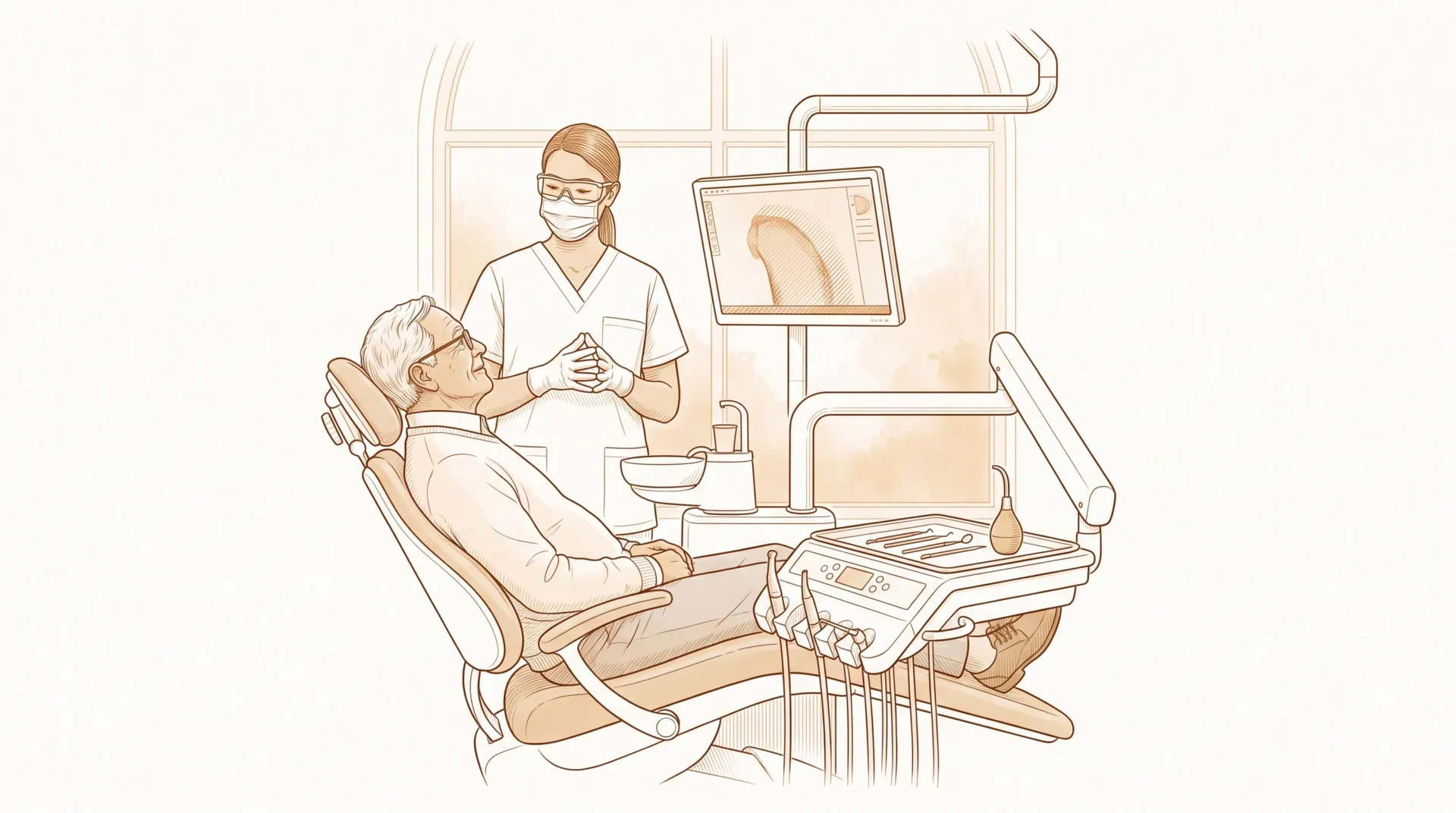
You can ask the clinic what to bring and whether extra time is available if you have a complex medical history, several concerns or a support person attending with you. If you use a walking aid, wheelchair or have difficulty lying back for long periods, mention this when booking so the team can consider appointment planning.
Small details can also make the visit simpler. Bring your glasses, hearing aids if you use them, denture containers, your medication list and any dental appliances. If you wear accessories such as minimalist stainless steel jewellery, choose pieces that are comfortable and easy to remove if your dental team asks for safety or access reasons.
For a general overview of appointment flow, you may like to read what happens during a routine dental appointment.
Questions about X-rays, oral cancer checks and changes in your mouth
Ask whether dental X-rays are needed and why. X-rays are not taken for every patient at every visit. Your dentist should explain the reason, what they are looking for and how the information may affect your care. For example, X-rays may help assess decay between teeth, bone levels around teeth or issues beneath existing restorations.
It is also reasonable to ask, “Do you check the soft tissues of my mouth?” During an oral health exam, a dental professional may look at the tongue, cheeks, lips, palate and floor of the mouth. If you notice an ulcer that does not heal, a lump, persistent soreness, unexplained bleeding or a change in how your dentures fit, arrange a dental or medical assessment.
When searching dentists for seniors near me, look for clear communication about why each part of the check-up is being done. This helps you give informed consent and understand whether monitoring, prevention or treatment is being recommended.
Questions about costs, payment options and treatment choices
Before agreeing to treatment, ask for an explanation of the issue, available options, expected steps, costs and possible risks. You can also ask what may happen if you delay treatment or choose monitoring instead. In some cases, monitoring is reasonable. In other cases, delaying care may allow a problem to become more complicated. Your dentist can explain this based on your examination.
Cost discussions should be clear and respectful. Ask whether a written treatment plan is available, what is included in the estimate and whether appointments can be staged. Integrated Dental Care notes that payment plans are available, but any financial arrangement should be considered carefully to make sure it suits your circumstances.
Useful questions include:
- Is this treatment necessary now or can it be monitored?
- What are the benefits, risks and limitations?
- Are there simpler or more conservative options?
- How many appointments might be involved?
- What ongoing maintenance will I need afterwards?
Questions if you feel nervous, tired or unsure
Feeling unsure before a dental visit is common. You can tell the team if you have had a difficult dental experience in the past, find treatment tiring or need information explained slowly. This does not obligate you to proceed with treatment. It simply helps the dentist communicate in a way that suits you.
If you attend with a family member, friend or carer, ask how they can be involved. Consent still belongs to the patient who is receiving care, unless a legal decision-making arrangement applies. Your dentist can explain findings to you first and include your support person if you agree.
For older adults searching dentists for seniors near me, good communication may be just as important as the clinical procedure itself. You should feel able to ask questions, request a pause in the discussion, ask for written information and take time to consider non-urgent treatment options.
Frequently Asked Questions
How often should seniors have a dental check-up? The right interval varies. Some people benefit from six-monthly visits, while others may need more or less frequent reviews depending on gum health, tooth decay risk, dentures, medical conditions and home care. Your dentist can recommend a review schedule after examining your mouth.
Should I bring my medication list to the dentist? Yes. An up-to-date medication list helps your dentist assess dry mouth, bleeding considerations, healing factors and whether any extra precautions may be needed before treatment.
Can a dentist check my dentures even if I have no natural teeth? Yes. Denture wearers still benefit from oral health checks. A dentist can assess the fit of the denture and examine the gums, tongue and other soft tissues.
What if I have not seen a dentist for a long time? You can still book a check-up. Your dentist can assess your current oral health, explain findings and discuss options without assuming which treatment, if any, is right for you.
What should I ask if I am comparing dentists for seniors near me? Ask about the check-up process, communication style, appointment accessibility, denture experience, payment information and how the dentist explains risks, benefits and alternatives.
Booking a senior dental check-up in Pakenham
A dental check-up can help identify the cause of symptoms, assess existing dental work and guide practical next steps. If you are in Pakenham or nearby areas of Melbourne’s south east, you can contact Integrated Dental Care to arrange an assessment and discuss your concerns with the dental team.
Bring your questions, medication list and any dentures or appliances you use. Your dentist can assess your oral health and explain which options may be appropriate for your individual needs, including the potential benefits, risks and alternatives of any proposed treatment.
Disclaimer
The information provided on this website is for general informational and educational purposes only. It is not intended to replace professional dental advice, diagnosis or treatment. Dental needs and treatment outcomes vary between individuals. Always seek advice from a qualified dental practitioner regarding your specific circumstances before making decisions about your oral health or treatment. A consultation and clinical assessment are required to determine which treatment options may be suitable for you. All dental procedures carry potential risks and benefits, which will be discussed with you before treatment.