
What Does an Aesthetic Dentist Do for Your Smile?
13 August 2026 | News
A smile can look healthy and still not feel quite right to you. Maybe the colour has changed over time, a front tooth is chipped, your teeth look uneven in photos, or old dental work no longer matches. An aesthetic dentist looks at these concerns through both a functional and visual lens, aiming to improve how your smile looks while protecting how your teeth bite, chew and last.
In everyday language, “aesthetic dentistry” and “cosmetic dentistry” are often used in similar ways. The key difference is in the philosophy. Rather than chasing a one-size-fits-all “perfect” smile, aesthetic dentistry focuses on creating a smile that suits your face, age, personality, oral health and goals.
What is an aesthetic dentist?
An aesthetic dentist is a qualified dental practitioner who has a strong focus on improving the appearance of teeth, gums and the overall smile. In Australia, terms such as “aesthetic dentist” or “cosmetic dentist” usually describe a dentist’s area of interest and experience, rather than a separate specialist registration. Dental practitioners must be registered and follow professional standards set by the Dental Board of Australia.
The best aesthetic dental care is not only about making teeth look whiter or straighter. It also considers:
- Tooth health, including decay, cracks and worn enamel
- Gum health and whether inflammation or recession is affecting the smile
- Bite balance, chewing function and jaw comfort
- Facial proportions, lip movement and smile symmetry
- The colour, shape, length and texture of each tooth
- The durability and maintenance needs of each treatment
This is why an aesthetic dental consultation often starts like a general dental examination. Before improving appearance, your dentist needs to understand whether your mouth is stable enough for treatment and whether there are underlying issues that should be managed first.
What does an aesthetic dentist actually do?
An aesthetic dentist helps identify what is affecting the appearance of your smile, then recommends treatment options that match your goals, budget, timeline and oral health. Some patients want a subtle refresh, such as whitening before a big event. Others want a more comprehensive change involving alignment, reshaping and replacement of old restorations.
Aesthetic dentists commonly help with concerns such as:
- Yellow, stained or dull-looking teeth
- Chipped, cracked or worn teeth
- Gaps between teeth
- Crooked or crowded teeth
- Uneven tooth edges
- Missing teeth
- Old fillings, crowns or veneers that no longer blend in
- Teeth that look too small, too long or out of proportion
- A smile that appears gummy, narrow or asymmetrical
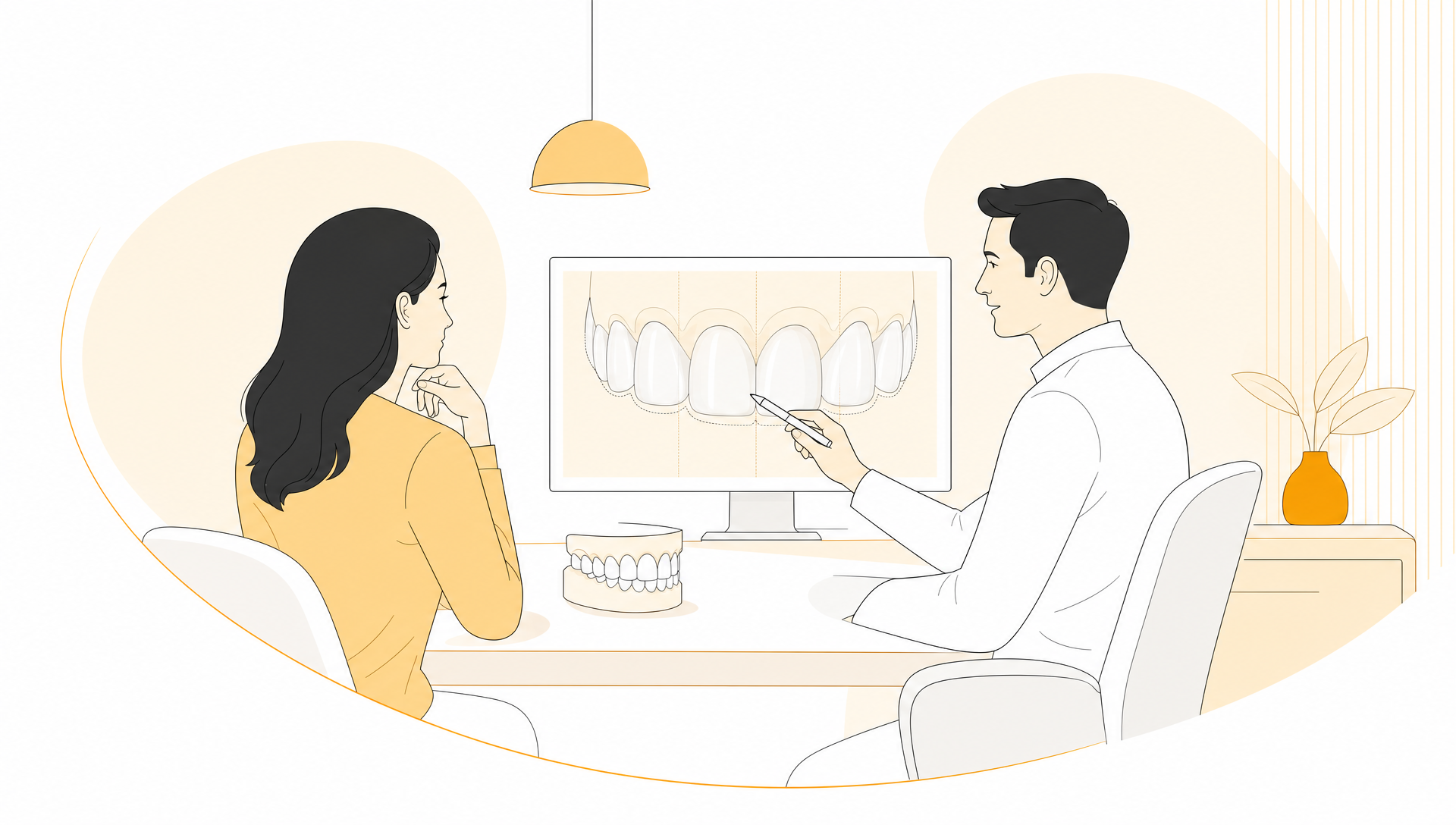
The role is partly clinical and partly design-focused. Your dentist may assess photographs, tooth shade, gum levels, facial balance and the way your teeth show when you talk or smile. The aim is to recommend changes that look natural in real life, not just in close-up photos.
Aesthetic dentistry is health-first dentistry
A common misconception is that aesthetic dentistry is purely optional or superficial. In reality, many aesthetic improvements are linked to dental health and function.
For example, fixing a chipped tooth can improve the look of the smile, but it may also protect the tooth from further fracture. Replacing a missing tooth can restore confidence, but it can also support chewing and help reduce unwanted movement of neighbouring teeth. Straightening crowded teeth can improve appearance, but it may also make cleaning easier.
A responsible aesthetic dentist will not simply place veneers over active dental disease or whiten teeth without checking for decay, gum problems or sensitivity risks. If your gums bleed, your enamel is eroded, or your bite is causing ongoing wear, those issues should be addressed as part of the plan.
This approach is especially important because aesthetic work is often visible and long-lasting. The healthier the foundation, the better the final result is likely to be.
Common treatments an aesthetic dentist may recommend
The right treatment depends on what you want to change and what your teeth need. Sometimes one procedure is enough. In other cases, a staged approach gives a more stable and natural result.
| Smile concern | Possible aesthetic options | Why the health assessment matters |
|---|---|---|
| Stained or yellow teeth | Professional teeth whitening | Existing fillings, crowns and veneers do not whiten like natural enamel |
| Small chips or uneven edges | Composite bonding or reshaping | The dentist checks whether the chip is cosmetic or caused by bite pressure |
| Gaps between teeth | Bonding, veneers or orthodontics | The cause of the gap affects which option will be stable |
| Crooked or crowded teeth | Invisalign, braces or other orthodontic options | Alignment can improve both appearance and cleanability |
| Worn teeth | Bonding, crowns, veneers or bite management | Grinding or acid wear may need to be managed first |
| Missing teeth | Dental implants, bridges or dentures | Bone, gum health and bite forces influence the best replacement option |
| Multiple concerns | A smile makeover plan | Treatment order matters for appearance, function and cost control |
Teeth whitening
Whitening is often one of the simplest ways to refresh a smile. An aesthetic dentist can assess whether your discolouration is likely to respond well, whether your teeth are sensitive, and whether any visible fillings or crowns will need future replacement to match the new shade.
If you are weighing up professional and at-home options, it is worth understanding how to whiten teeth safely before starting. Safety matters because overusing whitening products or choosing unsuitable products can irritate gums or increase sensitivity.
Composite bonding
Composite bonding uses tooth-coloured resin to repair chips, close small spaces or improve tooth shape. It is often more conservative than porcelain treatment because it may require little or no enamel removal. However, bonding can stain or wear over time, so your dentist should explain maintenance and replacement expectations.
Veneers
Veneers are thin coverings placed on the front surfaces of teeth to change colour, shape, size or symmetry. They can be made from porcelain or composite resin. Veneers can create a significant improvement, but they require careful planning because they may involve permanent changes to natural enamel.
Crowns and restorative aesthetic work
Crowns may be recommended when a tooth is heavily filled, cracked, worn or structurally weak. While crowns can improve appearance, their main value is often protection and strength. Aesthetic dentists pay close attention to colour matching, translucency and the way the crown emerges from the gumline.
Orthodontic treatment
If tooth position is the main concern, moving the teeth may be more appropriate than covering them. Invisalign or braces can improve crowding, spacing, bite relationships and smile symmetry. For some patients, alignment before whitening or veneers creates a more conservative final result.
Dental implants and tooth replacement
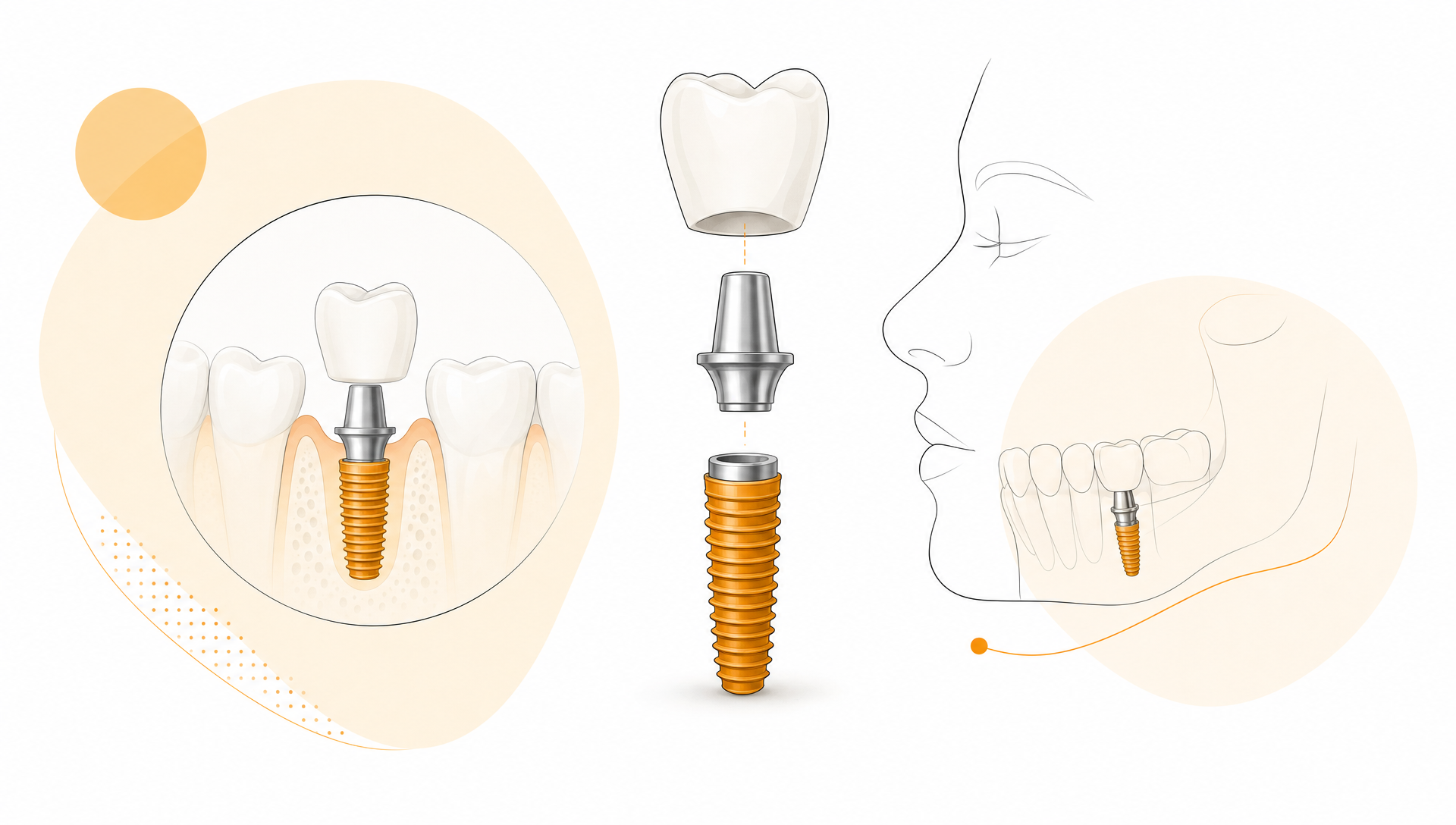
Missing teeth can change the look of a smile and the way the mouth functions. Dental implants may be an option for suitable patients, but planning involves more than placing a tooth-shaped crown. The dentist needs to assess bone, gum levels, bite pressure and how the replacement tooth will blend with the surrounding smile.
How an aesthetic dentist plans your smile
Aesthetic treatment should begin with a conversation, not a procedure. Your dentist will usually ask what you like and dislike about your smile, how long the concern has bothered you, what kind of result you are hoping for, and whether you prefer a subtle or more noticeable change.
A typical planning process may include clinical photographs, dental X-rays if needed, gum checks, bite assessment, shade selection and discussion of previous dental work. Some dentists may use scans, mock-ups or temporary previews to help you visualise potential changes. The exact tools vary by clinic and by treatment type.
The dentist will also discuss the order of treatment. For example, if you want both whitening and a front tooth repair, whitening usually happens first so the new filling or veneer can be matched to the brighter shade. If you need orthodontic treatment, it may be better to align teeth before considering bonding or veneers.
For patients considering several improvements at once, a broader plan may be described as a smile makeover. If you want to understand how multiple treatments can work together, this guide to a cosmetic dentistry smile makeover explains the concept in more detail.
What makes a smile look natural?
A natural-looking smile is rarely about making every tooth identical. Real teeth have small variations in shape, shade and texture. A skilled aesthetic dentist uses these details to avoid a flat or artificial result.
Important design factors include tooth proportion, gum symmetry, the curve of the smile, the amount of tooth displayed when speaking, and how the teeth relate to the lips and face. Colour is important too, but the brightest shade is not always the most flattering. A shade that looks fresh and healthy in one person may look too stark in another.
Texture also matters. Natural enamel reflects light in a specific way. Porcelain, composite and natural teeth all behave differently under light, which is why material choice and shade matching are important for front teeth.
How is an aesthetic dentist different from a general dentist?
There is significant overlap. General dentists provide essential care such as check-ups, fillings, cleans, gum care and emergency treatment. Many also provide aesthetic services. An aesthetic dentist simply places extra emphasis on how dental treatment affects the appearance of the smile.
For example, a general filling restores a damaged tooth. An aesthetic approach also considers how the filling blends with the surrounding enamel, whether the tooth shape is harmonious, and whether the result will be noticeable when you smile or speak.
The distinction is not about one type of care being more important than the other. In fact, they work best together. A smile that looks good but is difficult to clean, uncomfortable to bite on or built on unhealthy gums is not a successful long-term result.
Is aesthetic dentistry only for major smile makeovers?
Not at all. Many patients see an aesthetic dentist for small, practical changes. A tiny chip on a front tooth, a single discoloured tooth, or one uneven edge can affect how someone feels about their smile. Sometimes a minor adjustment makes a noticeable difference.
Aesthetic dentistry can be tailored to different goals and budgets. You might start with a check-up, clean and whitening, then decide later whether bonding or alignment is worthwhile. Others may prefer to map out a complete plan but complete treatment in stages. If cost is a major consideration, learning about affordable cosmetic dentistry in Pakenham can help you understand how different options compare.
When should you book an aesthetic dental consultation?
It may be time to speak with an aesthetic dentist if you avoid smiling in photos, feel self-conscious about a visible tooth, or want to understand what is realistically possible before committing to treatment. A consultation is also useful before weddings, work events or other milestones, especially if whitening, orthodontics or restorative work may require weeks or months of planning.
You should also book a dental assessment if a cosmetic concern is linked with symptoms such as pain, sensitivity, bleeding gums, a loose tooth, jaw discomfort or a broken restoration. In these cases, the first priority is diagnosis and stabilisation.
Questions to ask before aesthetic dental treatment
Good aesthetic dentistry depends on clear communication. Before starting, ask your dentist what options are available, what result is realistic, how long the treatment may last, and what maintenance will be required.
Useful questions include:
- What is causing the issue I want to change?
- Is there a conservative option before veneers or crowns?
- Will whitening affect the final colour match?
- How will this treatment affect my bite and cleaning routine?
- What are the risks, limitations and alternatives?
- Can treatment be staged over time?
- What happens if a restoration chips, stains or needs replacement later?
A trustworthy dentist should be comfortable discussing limitations. No dental treatment lasts forever, and every option has trade-offs. The goal is to choose a plan that fits your smile, lifestyle and long-term oral health.
Frequently Asked Questions
Is an aesthetic dentist the same as a cosmetic dentist? The terms are often used similarly. “Aesthetic dentist” usually describes a dentist who focuses on natural-looking improvements to the smile, while still considering tooth health, gum health and bite function.
Can an aesthetic dentist fix crooked teeth? Yes, depending on the case. Crooked teeth may be improved with orthodontic treatment such as Invisalign or braces, and in some minor cases with bonding or veneers. A proper assessment helps determine the safest and most suitable option.
Will aesthetic dental work look fake? It should not look fake when it is planned well. Natural-looking results depend on shade selection, tooth proportions, facial harmony, material choice and the skill of the dentist and dental technician.
Is teeth whitening part of aesthetic dentistry? Yes. Professional whitening is a common aesthetic treatment, but it should be done after checking for decay, gum problems, sensitivity and existing restorations that may not change colour.
Do I need healthy teeth before aesthetic treatment? Ideally, yes. Issues such as decay, gum disease, cracks or bite problems should be assessed and managed before cosmetic changes are made. This helps protect both your oral health and your final result.
Ready to explore what an aesthetic dentist could do for your smile?
If you are considering whitening, Invisalign, dental implants, bonding or a broader smile improvement plan, a consultation can help you understand your options clearly. Integrated Dental Care provides general, cosmetic and emergency dental services in Pakenham, with online booking and payment plan options available.
You can book an appointment with Integrated Dental Care to discuss your smile goals and find out which aesthetic dental options may suit your teeth, health and lifestyle.
Disclaimer
The information provided on this website is for general informational and educational purposes only. It is not intended to replace professional dental advice, diagnosis or treatment. Dental needs and treatment outcomes vary between individuals. Always seek advice from a qualified dental practitioner regarding your specific circumstances before making decisions about your oral health or treatment. A consultation and clinical assessment are required to determine which treatment options may be suitable for you. All dental procedures carry potential risks and benefits, which will be discussed with you before treatment.